
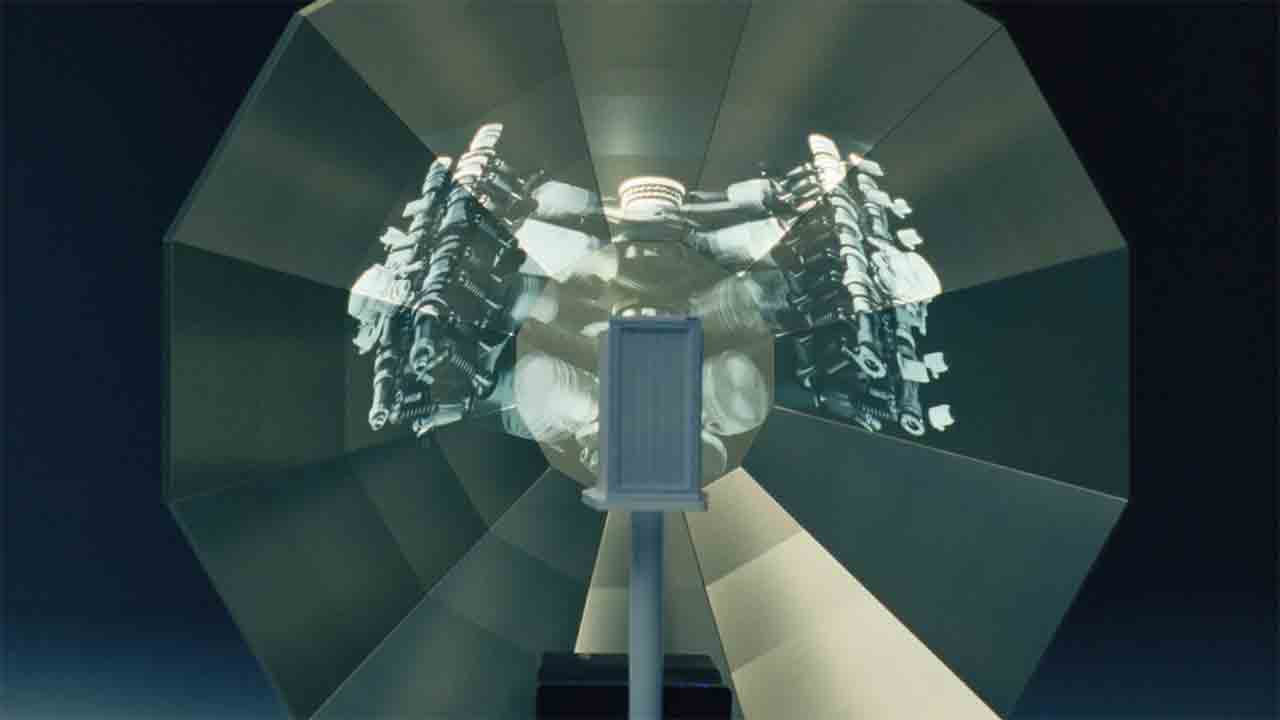
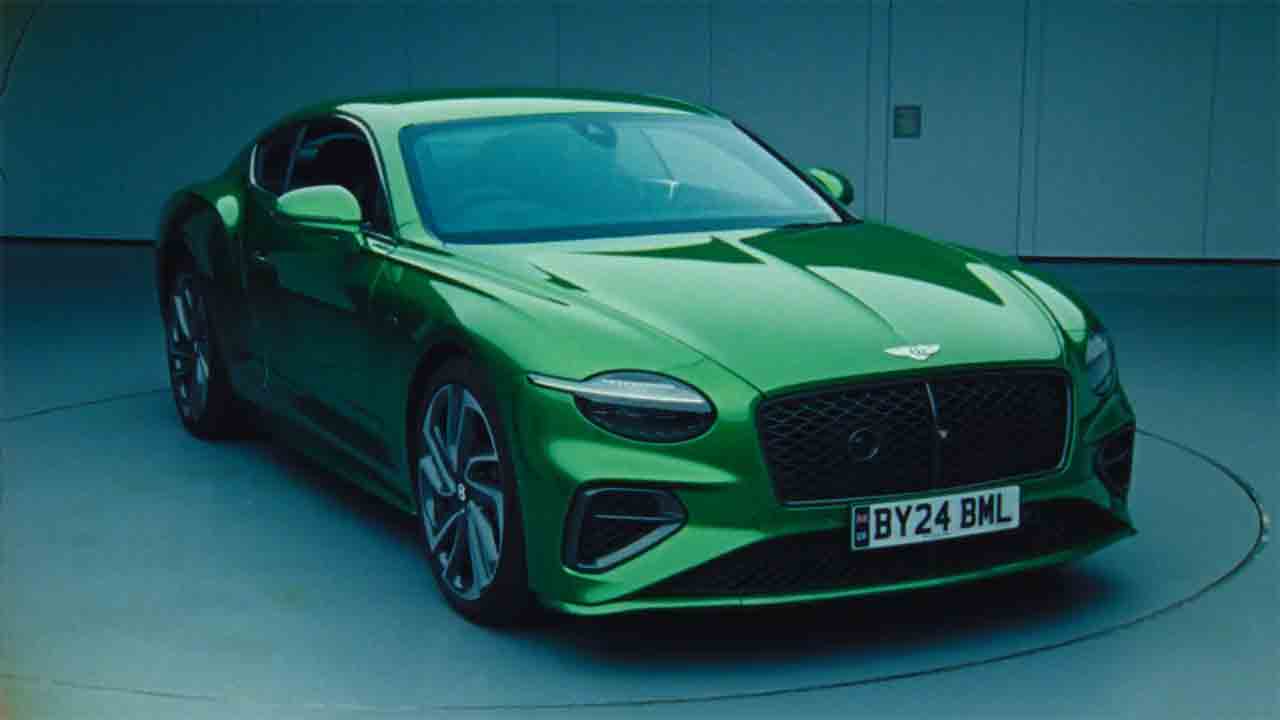
Bentley has developed an artificial sound signature for the Torcal, its new electric model, in an attempt to compensate for the absence of one of the features most closely associated with the brand’s traditional cars: the sound of large-displacement engines.
Called the “Bentley Dynamic Symphony,” the system uses recordings of real instruments and reacts to accelerator inputs. The aim is to give the driver part of the emotional experience previously produced by engines such as the 6.75-liter V8 and the W12.
The manufacturer says it avoided simply reproducing the noise of a combustion engine. Instead, it created an original composition that changes according to speed, acceleration intensity and driving style.
Despite this careful approach, the initiative highlights one of the main challenges faced by luxury brands during the transition to electric vehicles: preserving an identity built over decades around mechanical elements that disappear with electrification.
In Bentley’s case, an important part of that identity has always been linked not only to performance, but also to the operation, vibration and sound of its engines. In the Torcal, these elements must be replaced by a programmed experience reproduced through speakers.
Mechanical history becomes a reference for an artificial soundtrack
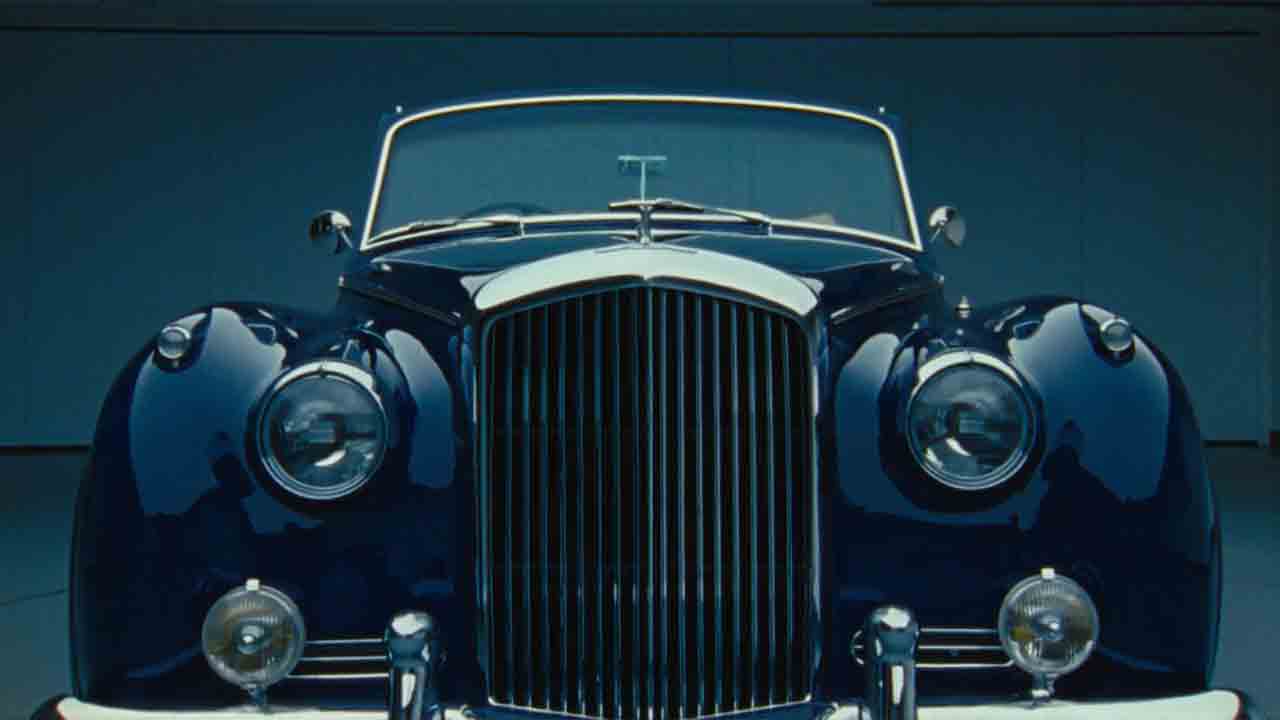
The development of the system began with Bentley’s mechanical history. Over the decades, the manufacturer has used different configurations, ranging from supercharged engines fitted to racing cars in the 1930s to the traditional V8 and W12, which occupied the top of the range for many years.
Although technically different, these engines shared one characteristic: their sound increased in intensity and changed rhythm as the driver pressed the accelerator.
According to Bentley’s analysis, the emotional impact of these engines does not depend solely on the tone produced by their mechanical components. The rhythm of the combustion events, the cadence and the small variations in operation are also believed to play an important role in the perception of power and engagement.
This conclusion led the company to seek an abstract reproduction of these sensations. Instead of pistons, valves and exhaust systems, the Torcal will use musical instruments and electronic processing to create an acoustic response inside the cabin.
V8 was compared to a live drum performance
To better understand the rhythmic structure of its engines, Bentley recorded and analyzed the sound of a V8 in a controlled environment. The study found that the engine’s natural variations helped make the experience less uniform and predictable.
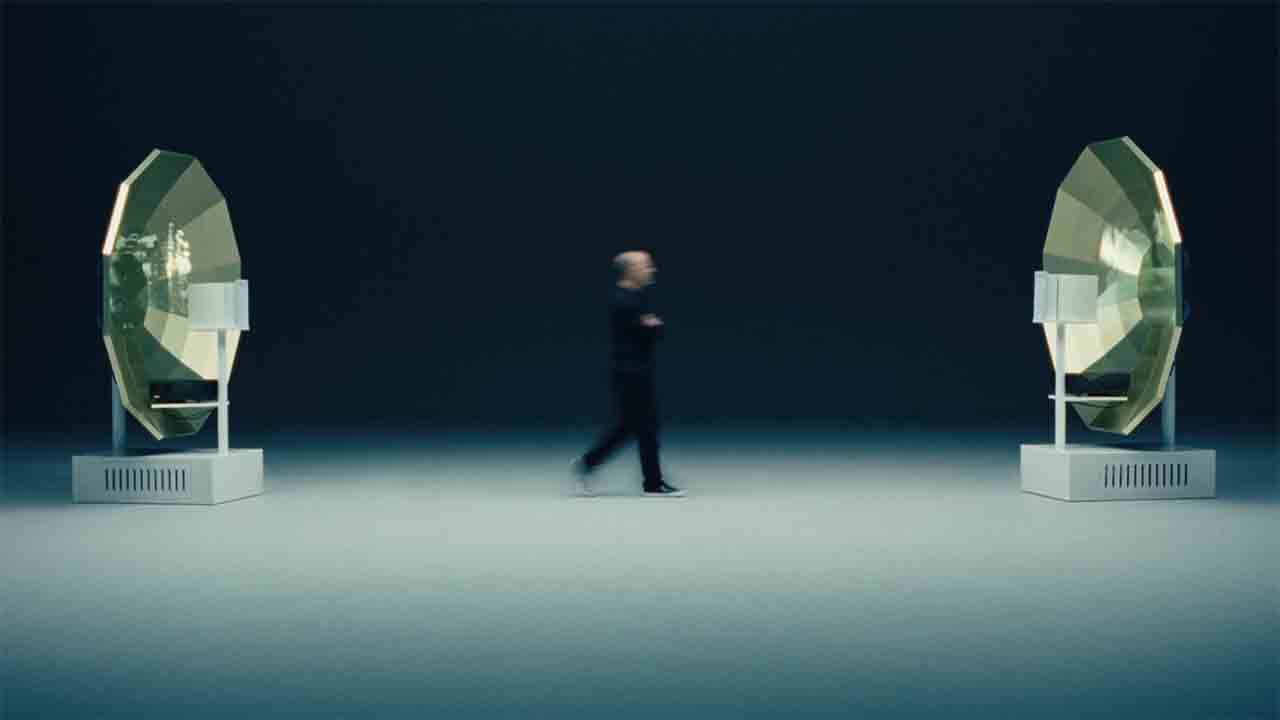
The manufacturer also conducted an experiment using directional speakers. On one side, a recording of the V8 engine was played. On the other, a drummer performed live.
As the people responsible for the project walked between the two sources, they identified similarities in the rhythmic progression and intensity of the sounds. The experience served as a technical and conceptual justification for using instruments to create the electric car’s acoustic signature.
The test also highlighted that combustion engines do not operate in a perfectly regular manner. Small fluctuations and imperfections are part of their operation and help produce a sound considered more natural.
In the Torcal, these irregularities will need to be simulated by software to prevent the soundtrack from sounding excessively repetitive. It is therefore a deliberately designed imperfection intended to imitate the spontaneity that previously emerged from the mechanical operation itself.
Instruments attempt to take the engine’s place
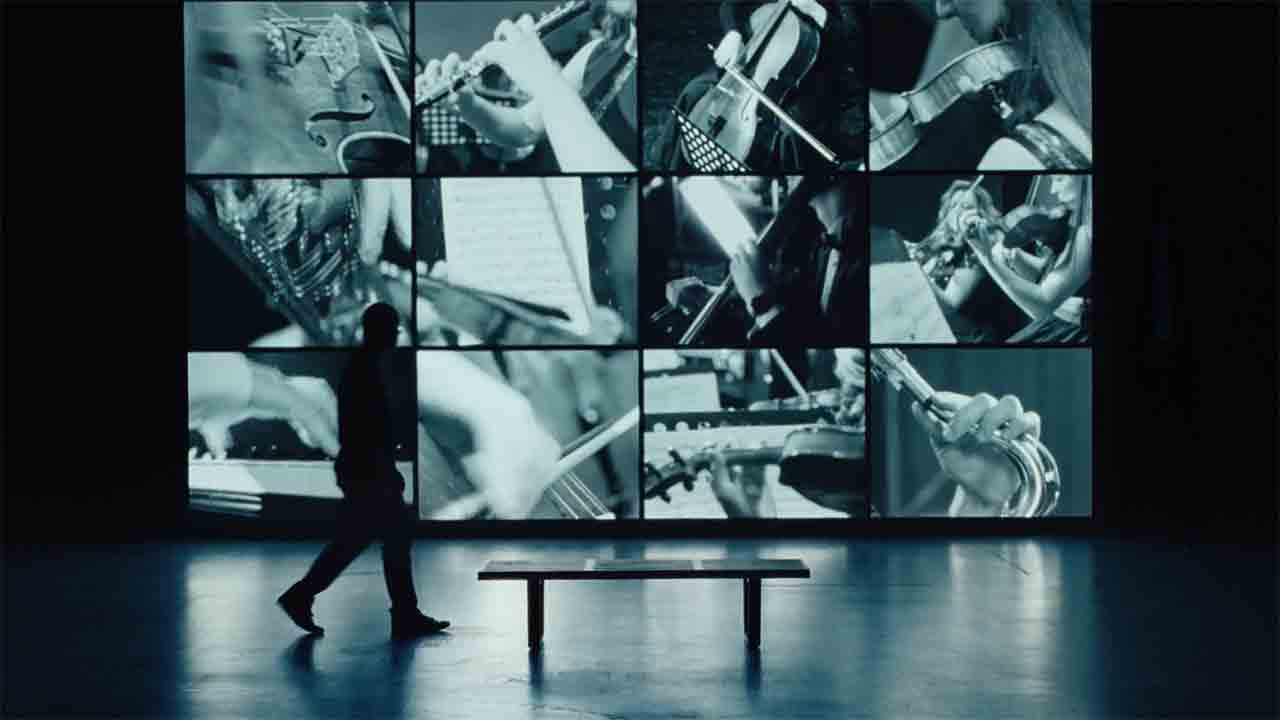
Professional musicians recorded the Torcal’s soundtrack using drums, viola and bass. The instruments were arranged in different layers, which are combined and modified according to accelerator inputs.
During stronger acceleration, the system increases the rhythm and presence of the instruments. During relaxed driving, the composition becomes more discreet. The intention is to establish a direct connection between the movement of the car and the sound heard by its occupants.
The system works like an interactive soundtrack, adapting in real time to the driver’s actions. Although it may enhance the sensation of speed and responsiveness, the feature also raises an inevitable question: to what extent can an experience produced through speakers replace the mechanical connection the brand intends to preserve?
Bentley is not alone in this effort. As natural noises are reduced in electric vehicles, several manufacturers have begun developing their own sound signatures. In addition to providing auditory feedback during acceleration, these soundtracks are used as differentiation and marketing tools.
In the Torcal’s case, the company chose not to literally imitate a V8 or W12, possibly to prevent the electric model from appearing to be merely an artificial reproduction of its predecessors. Even so, the so-called “Bentley Dynamic Symphony” remains directly dependent on the memory of the engine sounds that electrification intends to replace.
Transition exposes the dilemma faced by traditional brands
The solution adopted in the Torcal shows how traditional manufacturers are trying to retain characteristics recognized by their customers while abandoning technologies that defined their products for decades.
In a combustion-powered Bentley, the sound response was a direct consequence of engine speed, applied load and the flow of gases through the exhaust system. In the electric model, this relationship is mediated by sensors, software, recordings and speakers.
This does not necessarily mean that the experience will be unconvincing. The integration of sound, acceleration and vehicle response may produce a technically sophisticated result. However, it also reinforces the artificial nature of a sensation that previously emerged naturally.
+ Israeli company unveils AI-powered system to combat fiber-optic-guided drones
Source and images: Bentley Motors. This content was created with the help of AI and reviewed by the editorial team.
