
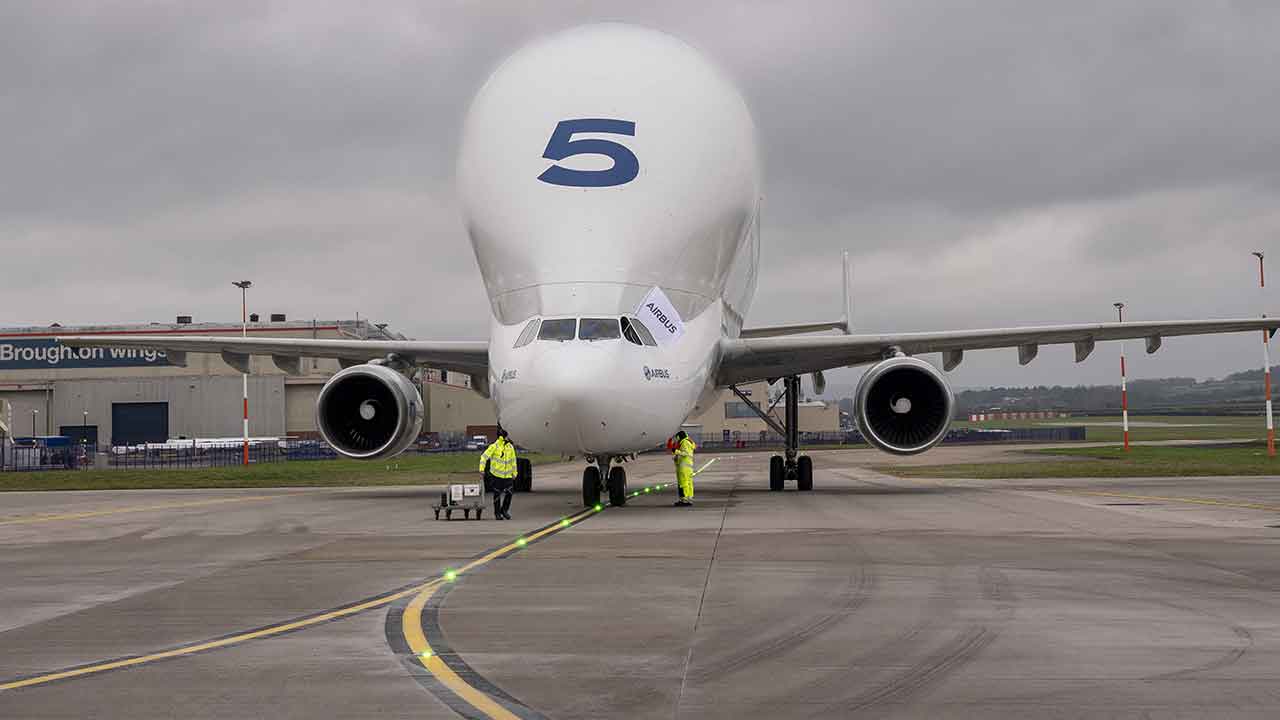
Broughton, United Kingdom, January 29, 2026 — Airbus on Wednesday marked the retirement of its first A300-600ST BelugaST, closing a historic chapter in European aeronautical logistics.
The aircraft, registered F-GSTF and known as “Tango Foxtrot,” carried out its final flight and landed at Hawarden Airport (CEG/EGNR) in North Wales.
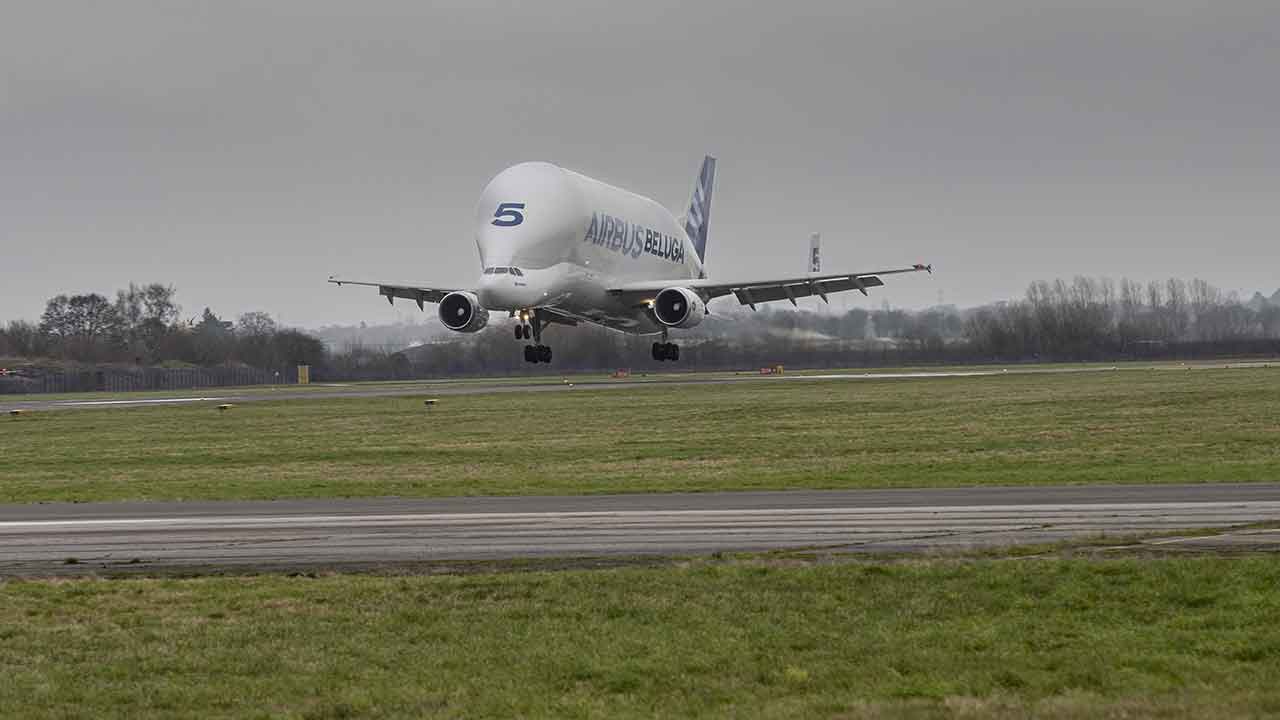
The fifth and final “Beluga” in the fleet was due to perform a farewell flypast over the Broughton factory — where it transported wings for decades — but the aerial tribute was canceled due to adverse weather conditions. Even so, the milestone symbolically marks the end of an era for one of the world’s most recognizable specialized aircraft.
A legacy that continues
As part of an Airbus “relocation” program, Beluga No. 5 will be converted into an educational center dedicated to Science, Technology, Engineering and Mathematics (STEM) in Broughton. The facility will operate as an interactive learning laboratory, opening the world of aviation to schools and community groups across the United Kingdom. Other aircraft from the BelugaST family are expected to be transferred to Airbus facilities or museums. Completion of the program is scheduled for 2027.
A brief history of the “Beluga”
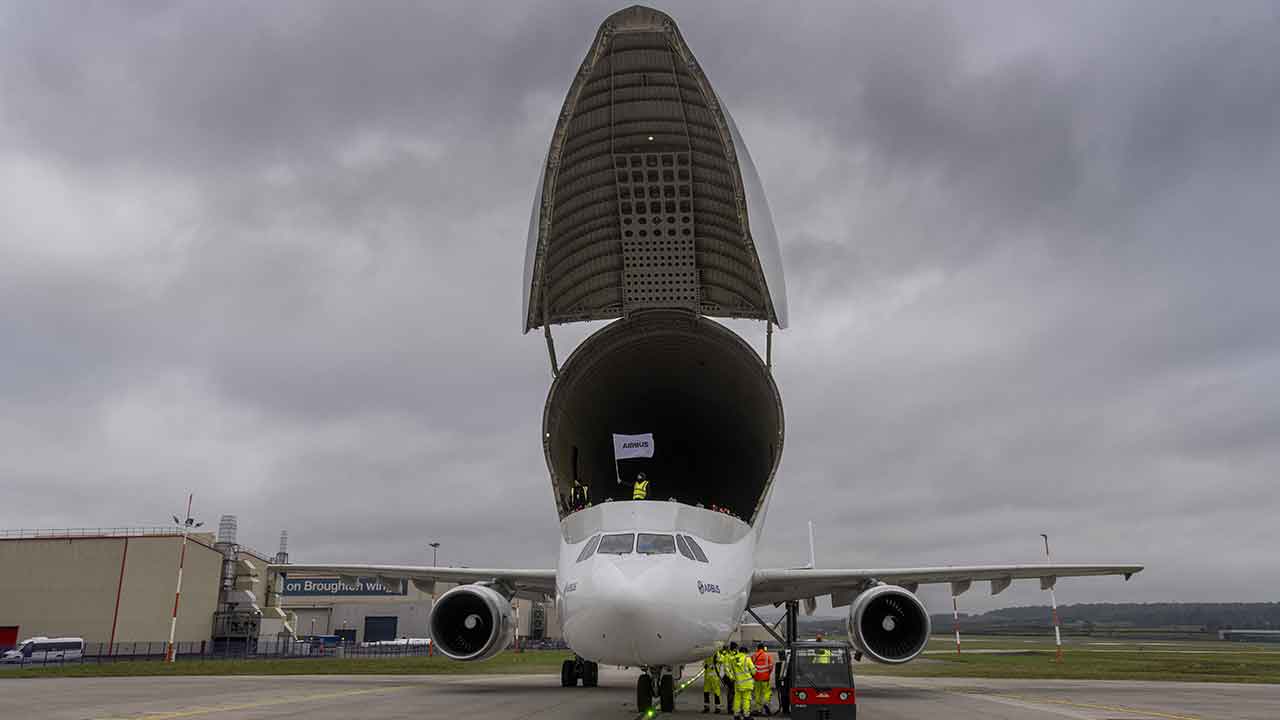
Derived from the A300-600, development of the A300-600ST Super Transporter began in 1991. Construction of the first aircraft started in September 1992, and it made its maiden flight on September 13, 1994. In total, five aircraft were produced (F-GSTA, F-GSTB, F-GSTC, F-GSTD and F-GSTF).
Since entering service in 1995, the BelugaST replaced the Super Guppy and revolutionized the transport of large components between European factories, linking production lines and final assembly sites in Toulouse and Hamburg. The nickname “Beluga” became an official Airbus brand, reflecting the public’s strong association with the aircraft’s unmistakable shape.
From BelugaST to BelugaXL
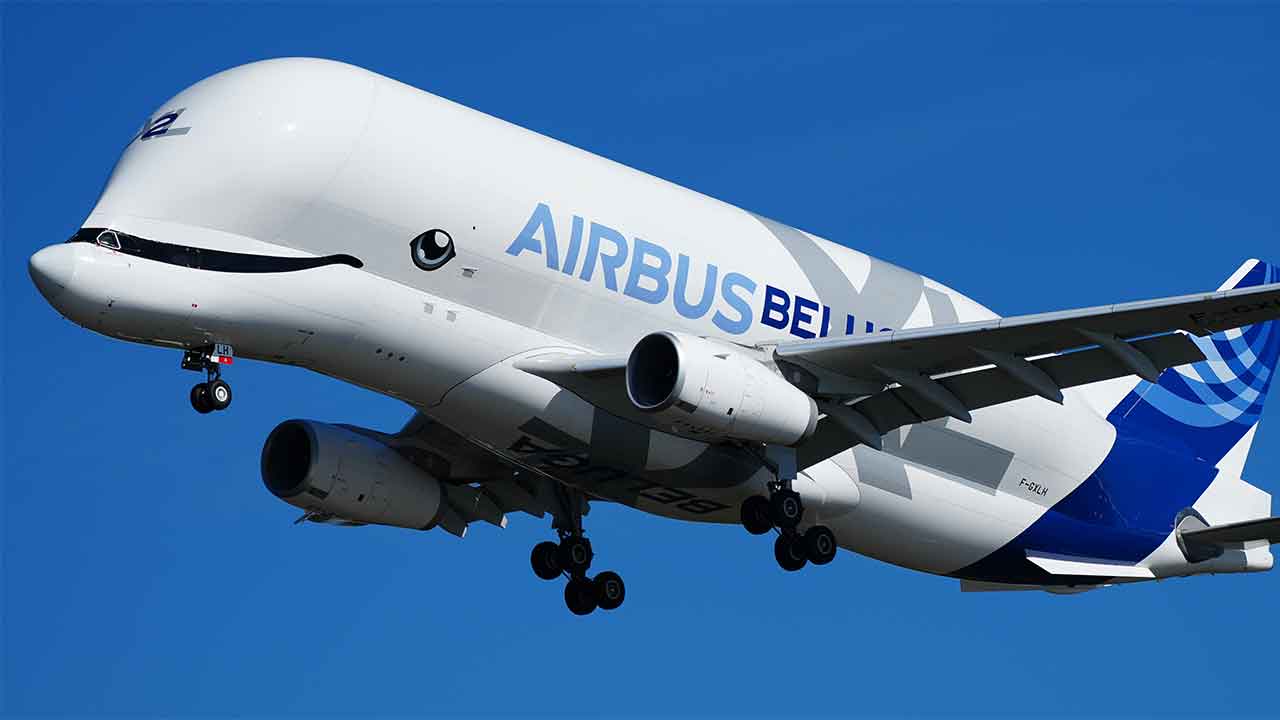
As production rates increased and the original fleet aged, Airbus introduced the BelugaXL, based on the A330. Larger and more capable, the BelugaXL can carry, for example, two A350 wings in a single flight — compared with one on the BelugaST.
Figures and historic missions
“Tango Foxtrot” turned 25 on December 12, 2025. Over the course of its career, it achieved several notable milestones:
- 1,700 wings transported from Broughton and countless other components from various Airbus sites
- Approximately 13,300 flights between group facilities
- The primary BelugaST used for transporting satellites to the Kennedy Space Center
Among the special missions, the following stand out:
- 1997: world record for the heaviest payload ever transported by air, carrying a chemical tank destined for a merchant ship
- 2003: a charter flight of more than 25 hours to transport three Airbus helicopters from France to Australia
- 1999: transport of Eugène Delacroix’s artwork *Liberty Leading the People* from Paris to Tokyo
- Deliveries of the Columbus module for the International Space Station and large telecommunications satellites, such as those operated by Inmarsat
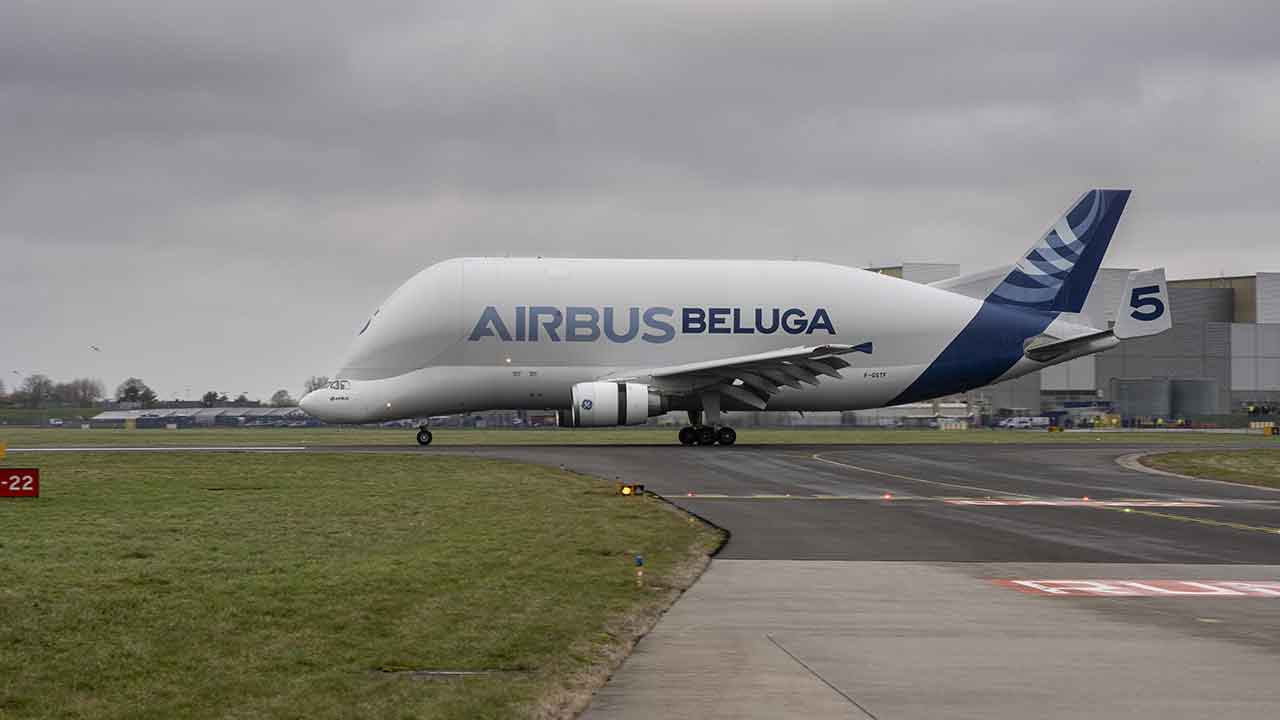
With a payload capacity of 40 tonnes — equivalent to the weight of an adult humpback whale — the A300-600ST BelugaST concludes its career leaving behind a technical, logistical and symbolic legacy that helped shape modern Airbus.
Source and images: Airbus. This content was created with the help of AI and reviewed by the editorial team.
