
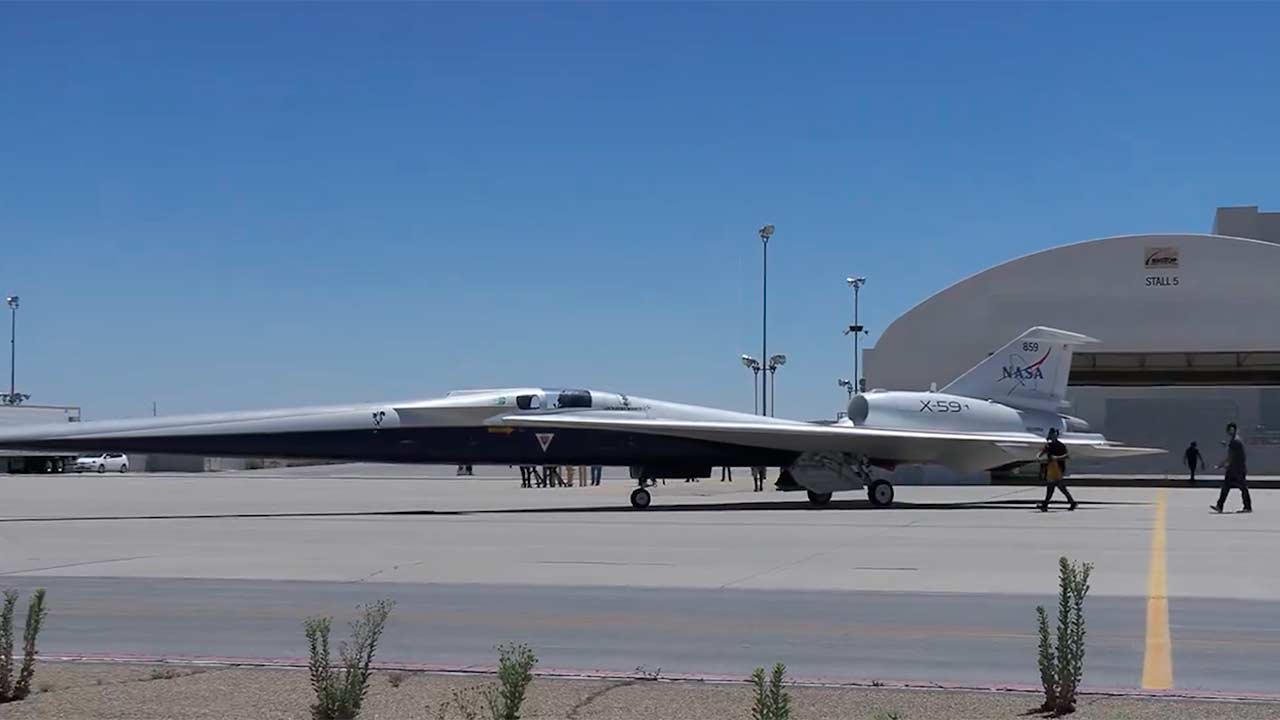
NASA has taken a major step toward quiet supersonic flight with the official start of taxi tests for its experimental X-59 aircraft.
This marks the first time the research plane has moved under its own power, a key milestone in the agency’s Quesst mission.
+ Click here to watch the video
The low-speed taxi test took place on July 10, 2025, at the U.S. Air Force’s Plant 42 in Palmdale, California. The operation involved NASA test pilot Nils Larson and a joint team of engineers from NASA and Lockheed Martin.
+ United States Unveils Copy of Iranian Shahed-136 Drone
Taxiing is the final phase of the X-59’s ground tests before its highly anticipated first flight. In the coming weeks, the aircraft will gradually be taken to higher speeds in new tests, culminating in a high-speed taxi test — the last step before takeoff.
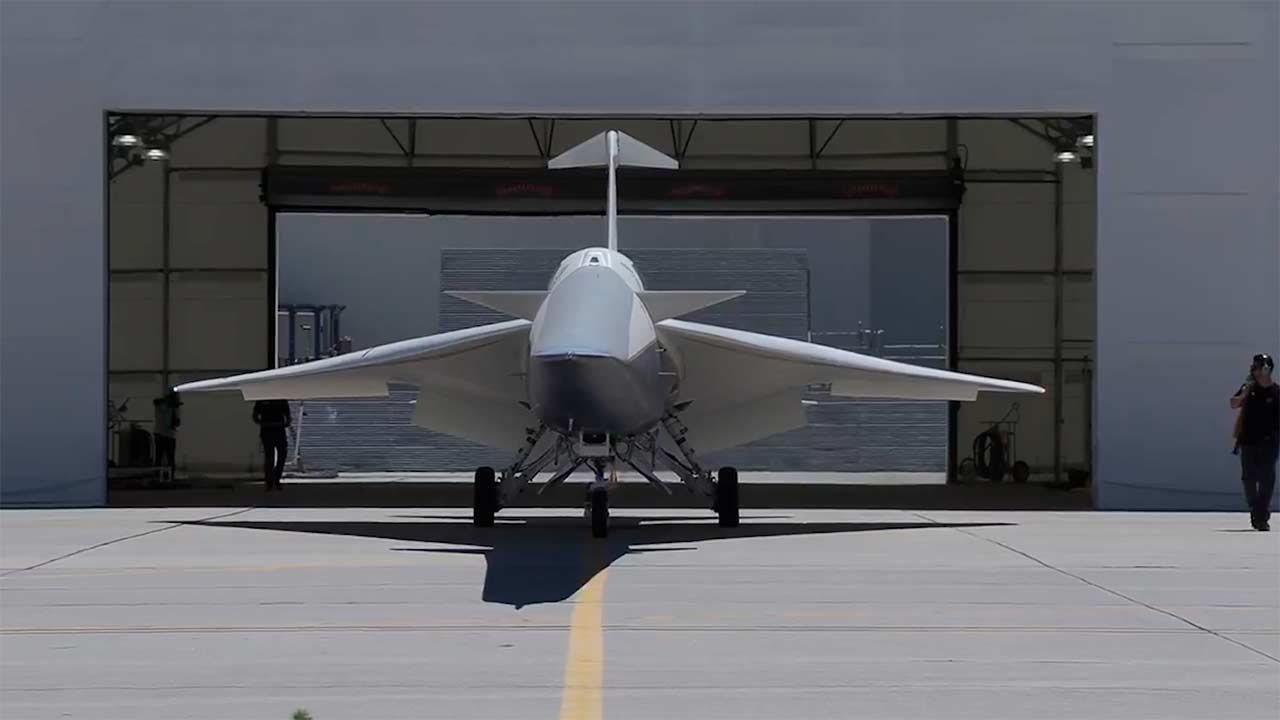
During the initial tests, engineers closely monitored the X-59’s behavior while moving down the runway, validating essential systems such as steering and braking. These tests aim to ensure the aircraft is stable and controllable in various operational conditions, providing full confidence to the flight team.
The X-59 is the centerpiece of the Quesst mission, which aims to demonstrate the possibility of supersonic flight with reduced noise levels. The aircraft’s design minimizes the traditional sonic boom, replacing it with a much quieter “thump.”
Data gathered from ground and future flight tests will be shared with regulatory agencies in the United States and abroad. The goal is to support the development of new noise regulations to enable commercial supersonic flights over land — currently restricted in many parts of the world.
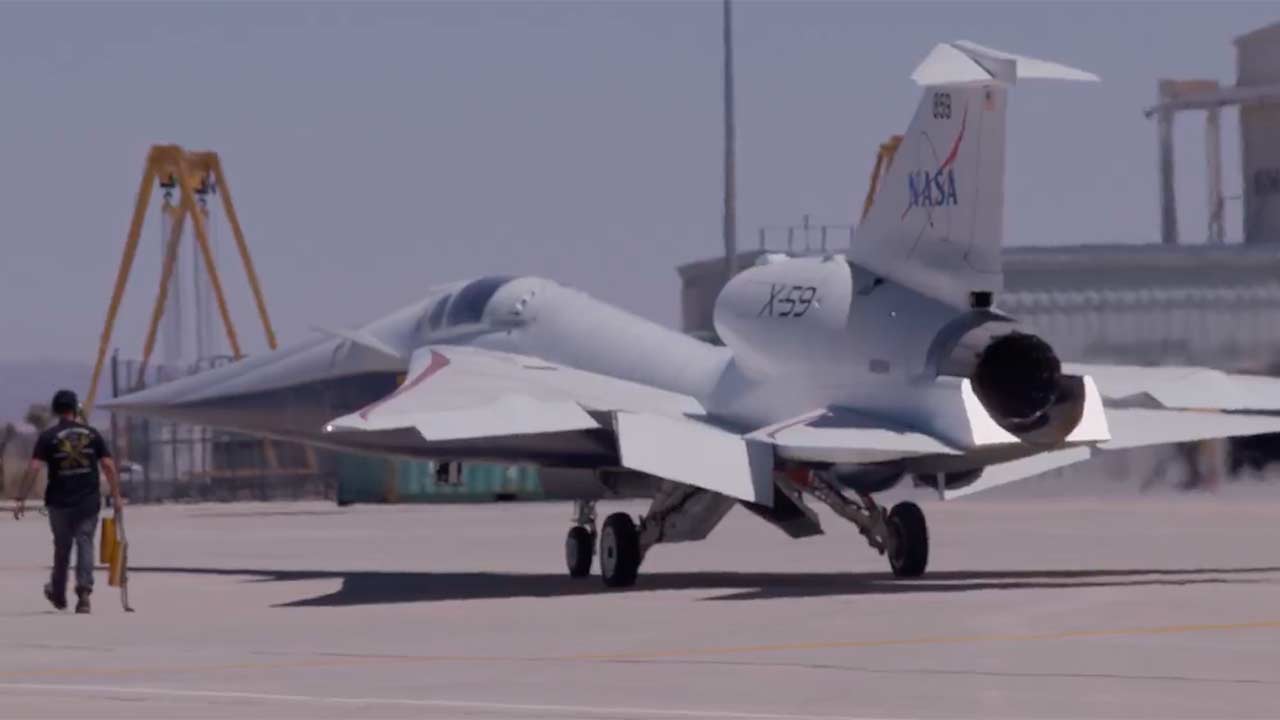
With the beginning of taxi testing, NASA’s program enters a new chapter in the pursuit of faster and quieter air travel.
Source and images: NASA. This content was created with the help of AI and reviewed by the editorial team.
