
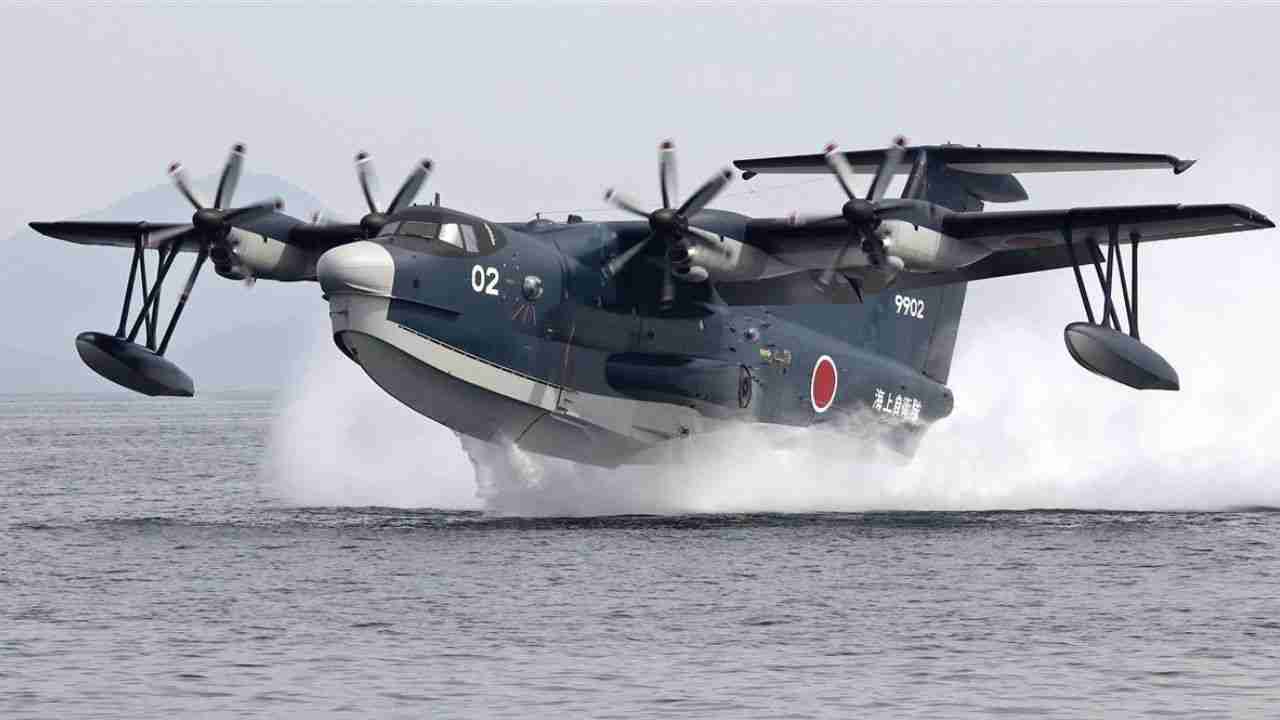
The Pentagon is studying the contract of a fleet of amphibious aircraft to operate in the Indo-Pacific, aiming to fill an operational gap considered critical in light of the increasing tension with China.
The initiative was included in the National Defense Authorization Act (NDAA) as a three-year pilot program, allowing the use of commercial amphibious aircraft operated by contracted companies. The focus is on increasing the response capability of the United States Indo-Pacific Command (INDOPACOM) for search and rescue missions and logistical support in remote ocean areas.
The absence of seaplanes limits U.S. operations in a theater characterized by long distances and isolated islands, where conventional aircraft and naval assets cannot always reach quickly. In the event of conflict, losses due to technical failures, human error, or enemy action would make the recovery of crews an even greater challenge. Amphibious aircraft offer the advantage of being able to land directly on the sea, rescue personnel, and operate at low altitudes—something that has been widely used by the United States in past wars, but which has been abandoned in recent decades.
While China and Japan invest in and maintain capabilities in this type of aircraft, the U.S. has fallen behind after the cancellation of similar projects. The contracting model emerges as a faster and more flexible way to test the concept without the immediate need to acquire a fleet of its own. However, experts point out that the available options are limited and already sought after for other functions, which reinforces the debate on the urgency of restoring a capacity considered strategic for future operations in the Pacific.
Source: The War Zone | Photo: X @nicholadrummond | This content was created with the help of AI and reviewed by the editorial team
