
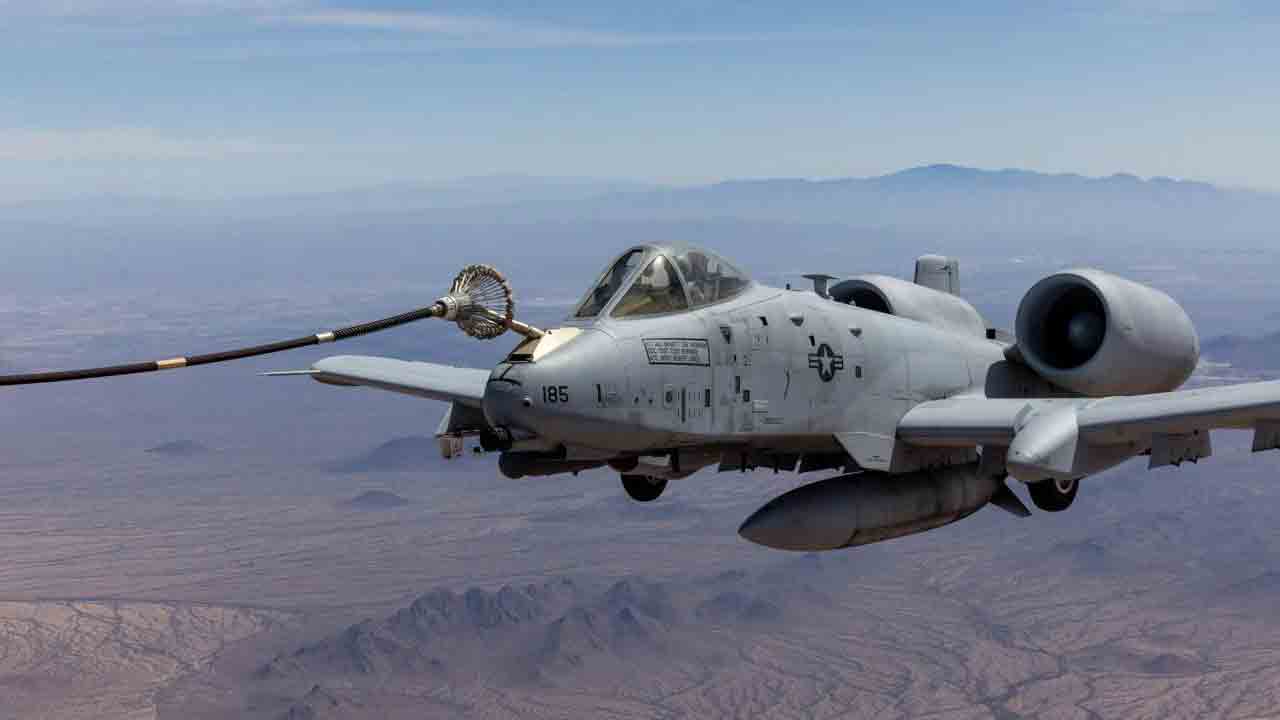
The United States Air Force has begun testing a new “hose-and-drogue” refueling adapter for the A-10 Thunderbolt II attack aircraft, in a move that could significantly expand the aircraft’s operational flexibility.
Developed in response to a military requirement, the solution was created in just a few weeks and will, for the first time, allow the A-10 to be refueled by aircraft such as the Lockheed C-130 Hercules and its specialized variants.
Until now, the A-10 had relied exclusively on boom refueling, carried out by tanker aircraft such as the KC-135 Stratotanker and the KC-46 Pegasus. The adoption of the new adapter comes amid reduced availability of these platforms, especially after the retirement of the KC-10 and delays involving the KC-46.
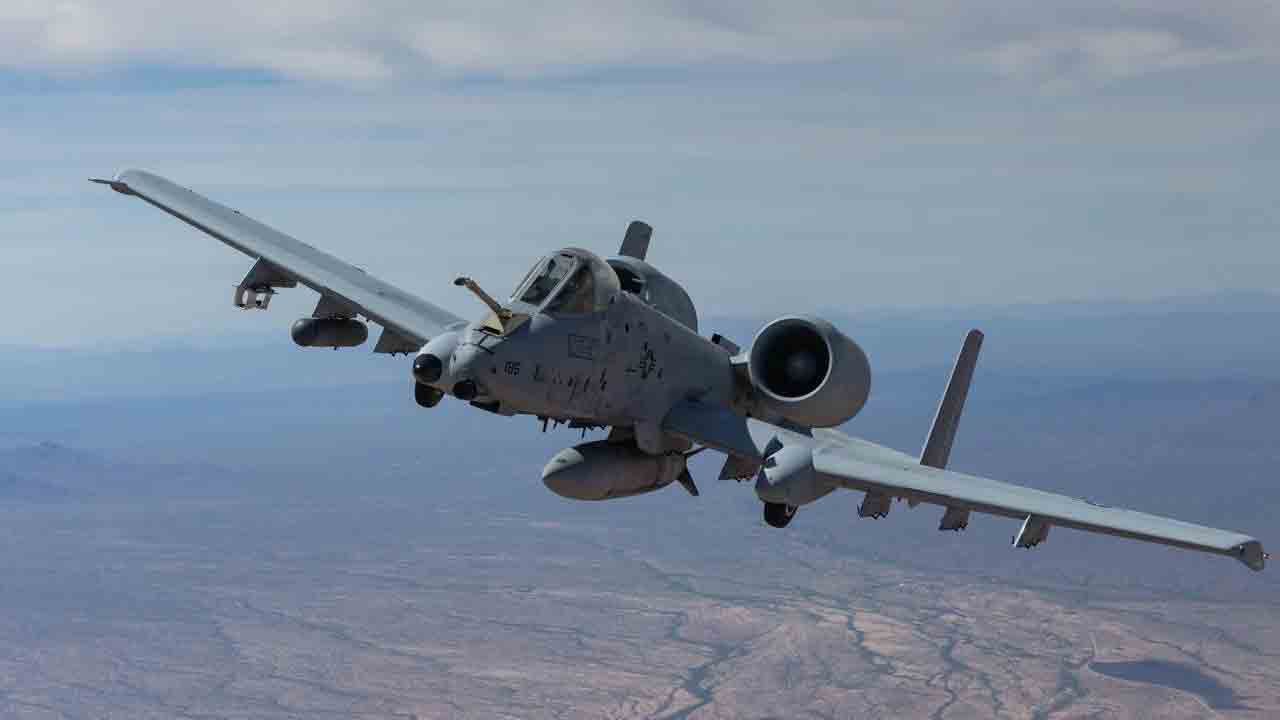
According to the released information, one of the factors that increased the urgency of the program was the recent operation in Iran to search for and rescue the pilots of a downed F-15E, a scenario that highlighted the need to expand air support and logistics options in complex missions.
The adapter is installed on the front of the aircraft, at the standard fuel receptacle point, and can be fitted or removed in just a few hours by ground crews. With this capability, the A-10 can now receive fuel from aircraft such as the HC-130J Combat King II, the KC-130, and the MC-130J, whose operating speeds and altitudes are more compatible with the “Warthog” flight profile.
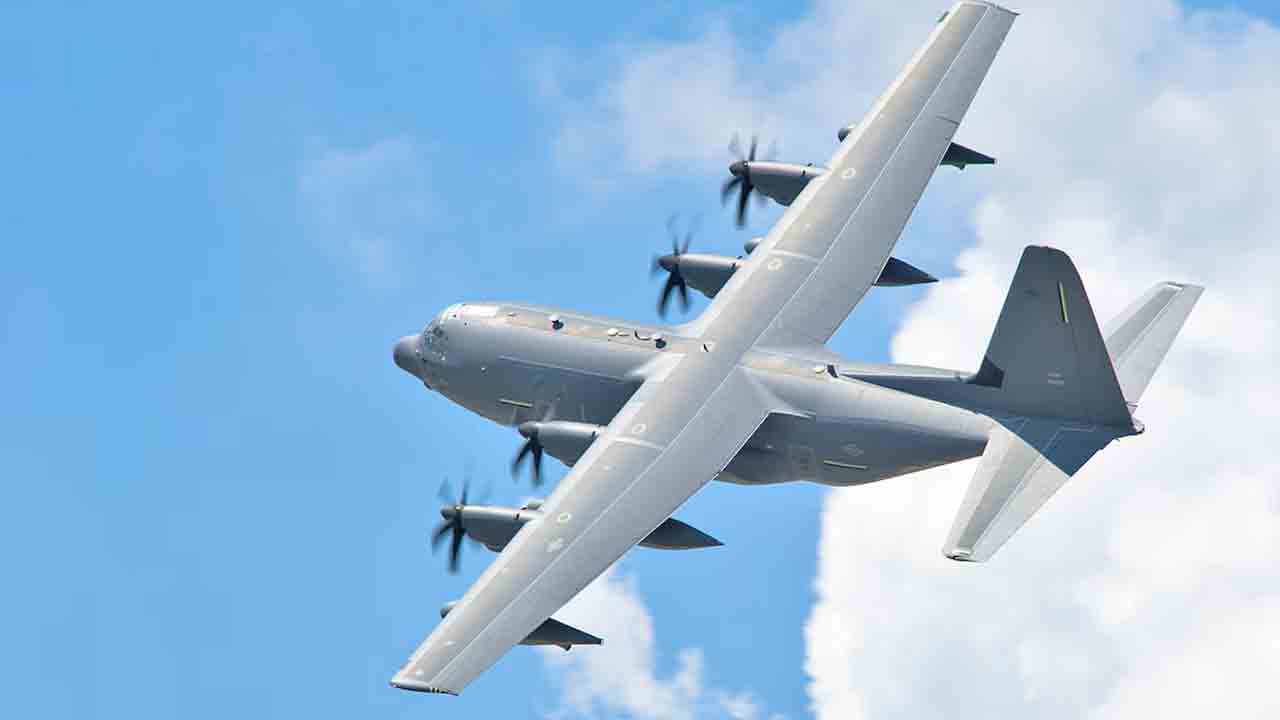
The new capability also opens the door to future integration with tanker aircraft operated by allied nations. Among the platforms mentioned are the Airbus A400M and the Embraer KC-390, which could further expand the aircraft’s interoperability in joint operations.
In the case of the KC-390, the new capability could represent a relevant opportunity for the Brazilian industry if compatibility with the A-10 advances in future phases of the program.
Source and images: USAF. This content was created with the help of AI and reviewed by the editorial team.
