
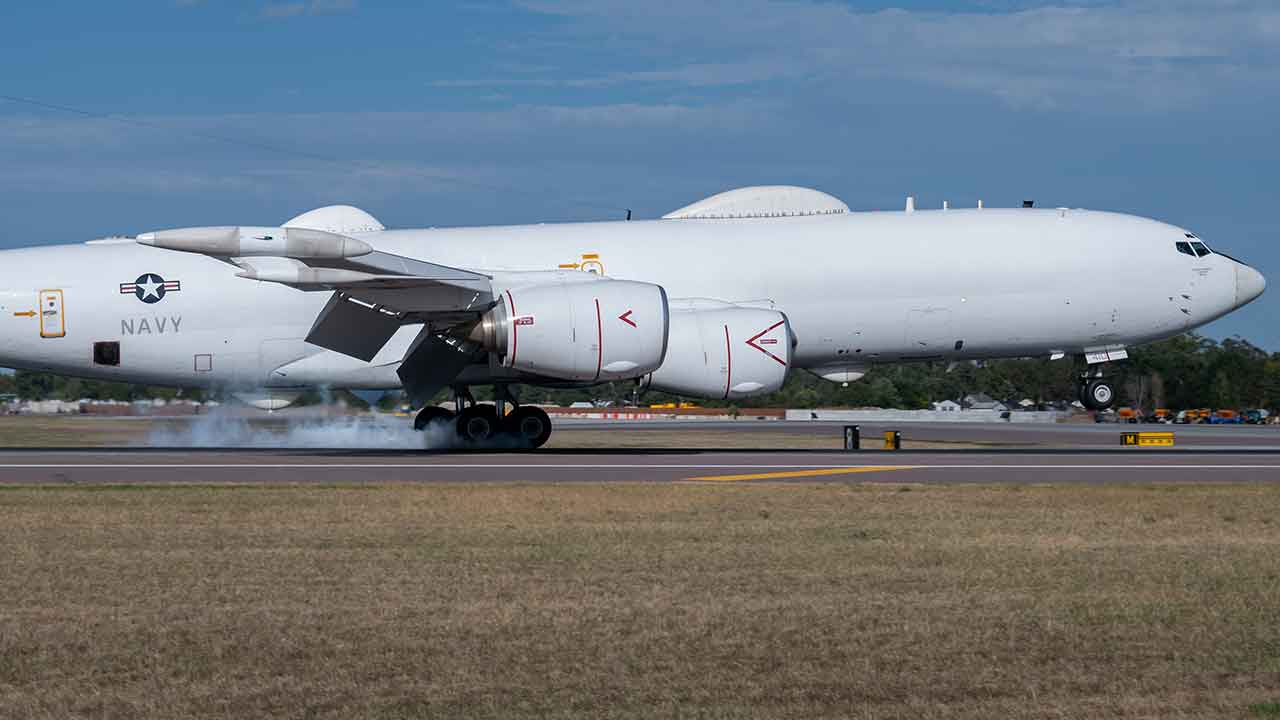
Despite plans to gradually replace it, the E-6B Mercury will remain an essential part of the United States’ nuclear strategy for many years.
The U.S. Navy has opened bidding for a maintenance contract that could last up to 10 years, covering fiscal years 2027 through 2036. The initiative reinforces that the aircraft, known as the “doomsday plane,” will continue to play a critical role until its successor fully takes over operations.

Developed on the Boeing 707 platform, the E-6B is tasked with preserving command capability over U.S. nuclear forces in the event that land-based command centers are destroyed. Through the TACAMO mission, the aircraft transmits extremely low-frequency radio signals to nuclear-powered ballistic missile submarines, allowing communications to be maintained even while the vessels remain submerged.
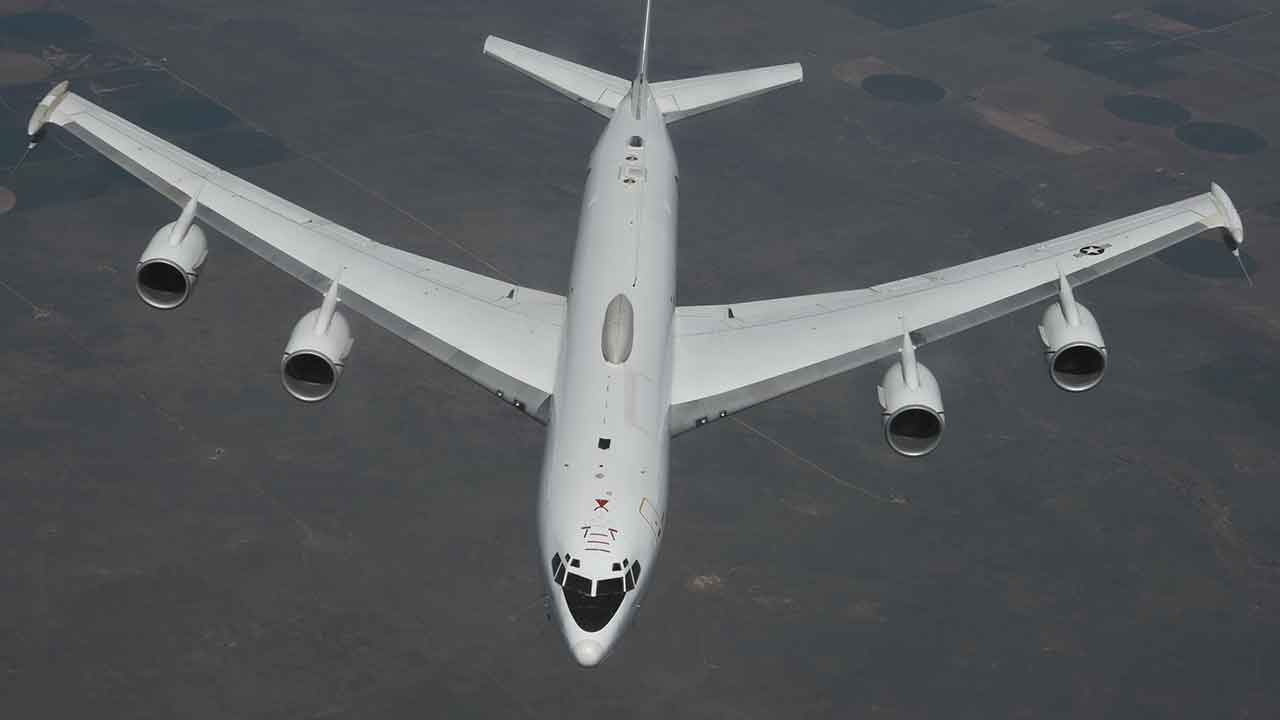
In addition to this role, the E-6B also serves as an airborne command post known as Looking Glass and can transmit launch orders to Minuteman III intercontinental ballistic missiles if ground-based infrastructure is disabled during a crisis. The fleet currently consists of only 16 aircraft, which remain on permanent alert during missions over the Atlantic and Pacific oceans, despite having an average age of nearly 35 years.
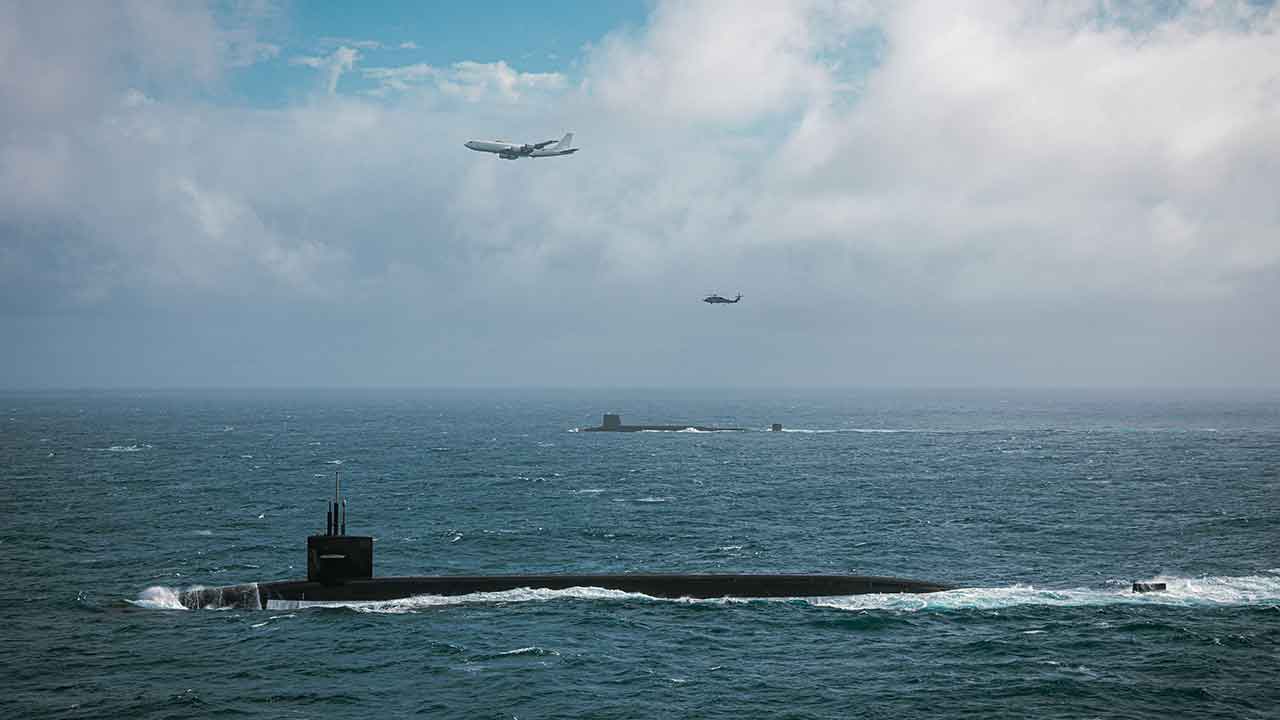
Although the Navy is developing the new E-130J Phoenix II to take over the TACAMO mission beginning in 2028, the replacement will be gradual and will not initially include the Looking Glass role. While this issue remains unresolved, the service continues to invest in modernizing the E-6B, including contracts to upgrade its communication systems and an extensive maintenance program, indicating that the aircraft is expected to remain in service until at least the early 2030s.
+ Electric supercar debuts with 1,604 hp and 0–100 km/h acceleration in 1.96 seconds
Source: Defence Blog | Photos: U.S. Navy | This content was created with the help of AI and reviewed by the editorial team
