
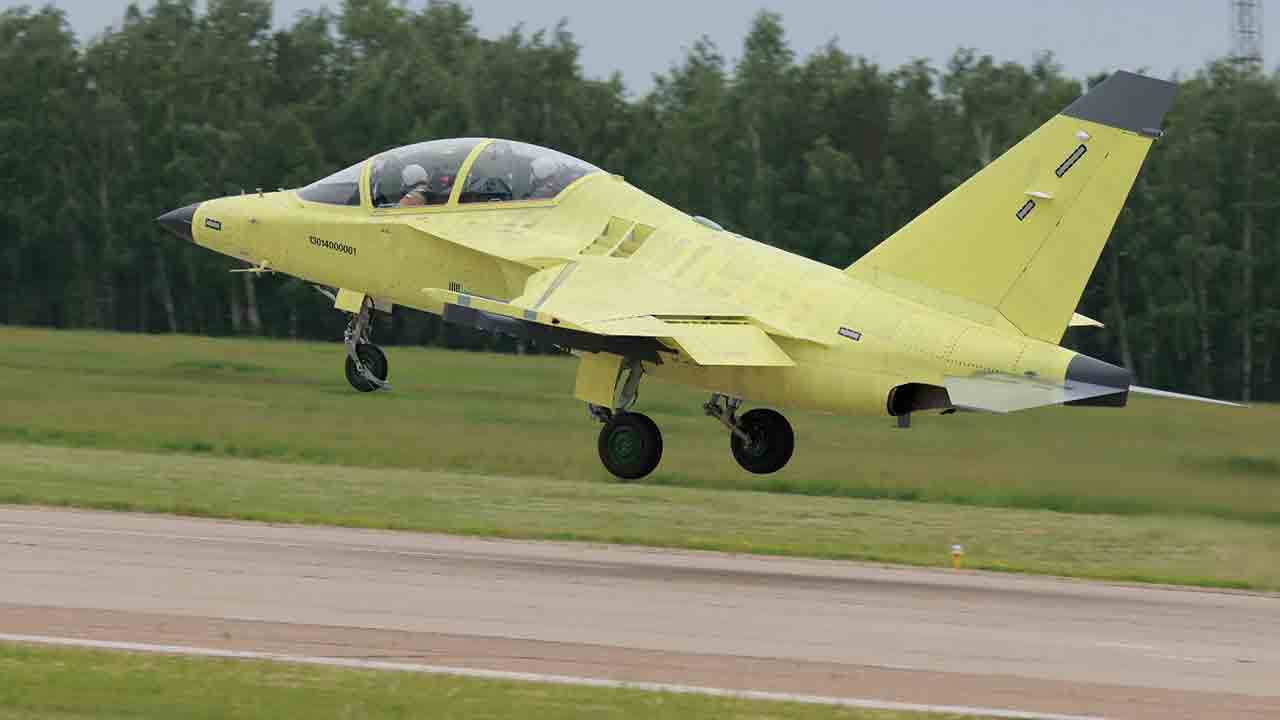
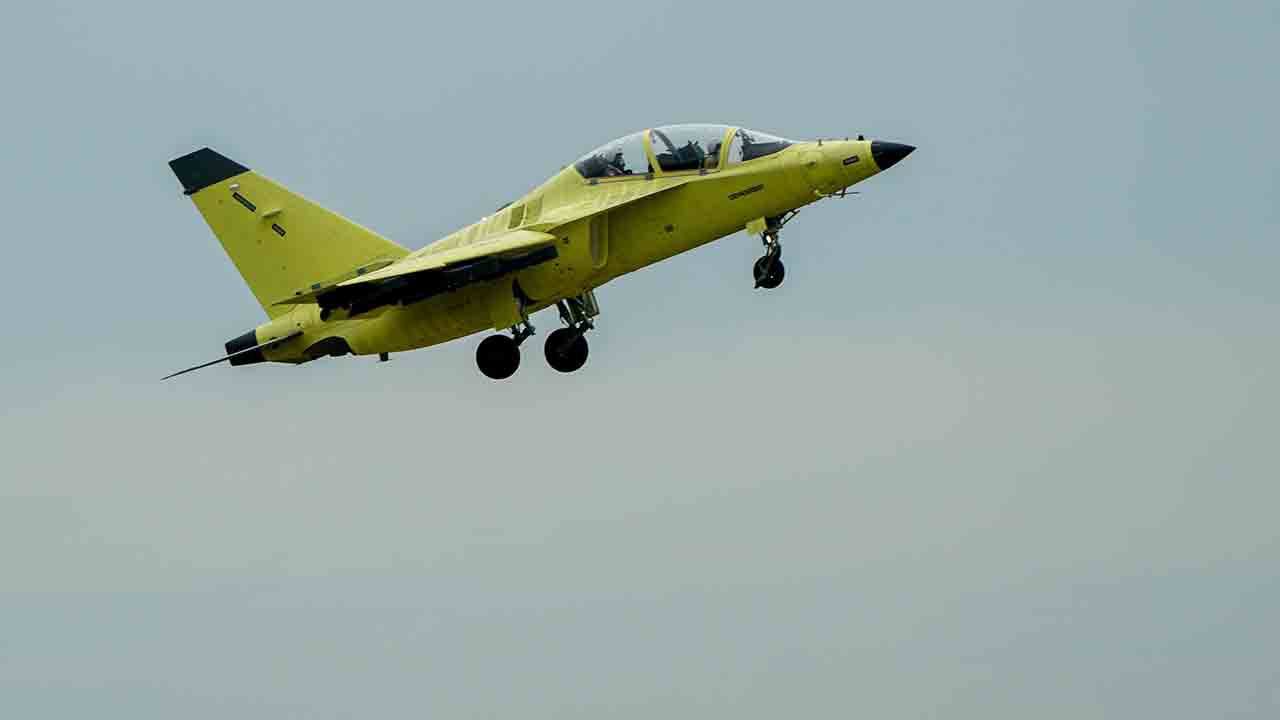
The experimental Yak-130M aircraft has completed its first flight at the Irkutsk factory airfield, a branch of PJSC Yakovlev, which is part of the United Aircraft Corporation (UAC) and the state-owned Rostec corporation. The takeoff marks an important stage in Russia’s program to modernize advanced trainer aircraft with combat capability.
According to a video released by OAK/UAC, the aircraft was flown by test pilots Alexander Guskov, 1st class, and Andrey Voropaev. The flight lasted about 50 minutes, reaching altitudes of up to 2,000 meters and speeds of up to 600 km/h. According to the crew report, the mission was fully completed, with no remarks regarding the aircraft’s behavior.
+ Click here to watch the Yak-130M video
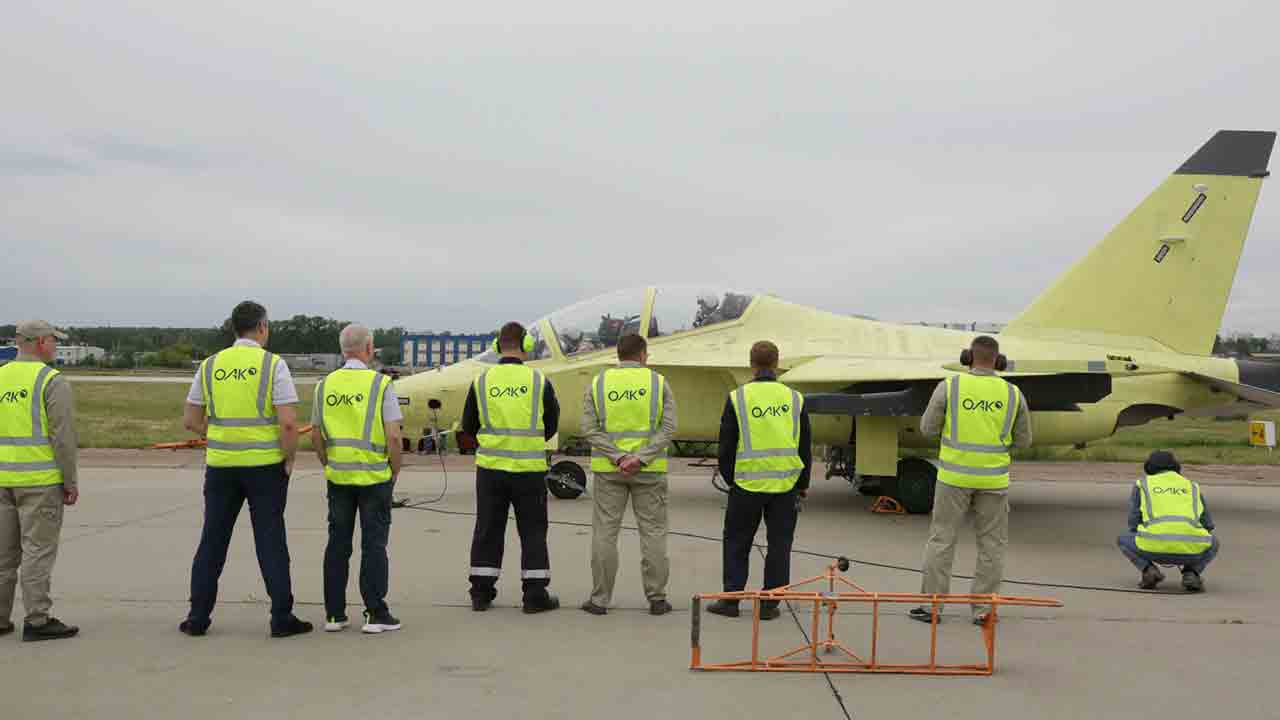
The significance of the test goes beyond a simple first flight. The Yak-130M is derived from the Yak-130, an advanced trainer jet already known in the Russian Aerospace Forces and in the air forces of countries across Europe, Asia and Africa. The difference is that the new version seeks to occupy a broader space: in addition to training pilots, the model is now being presented as a light combat platform.
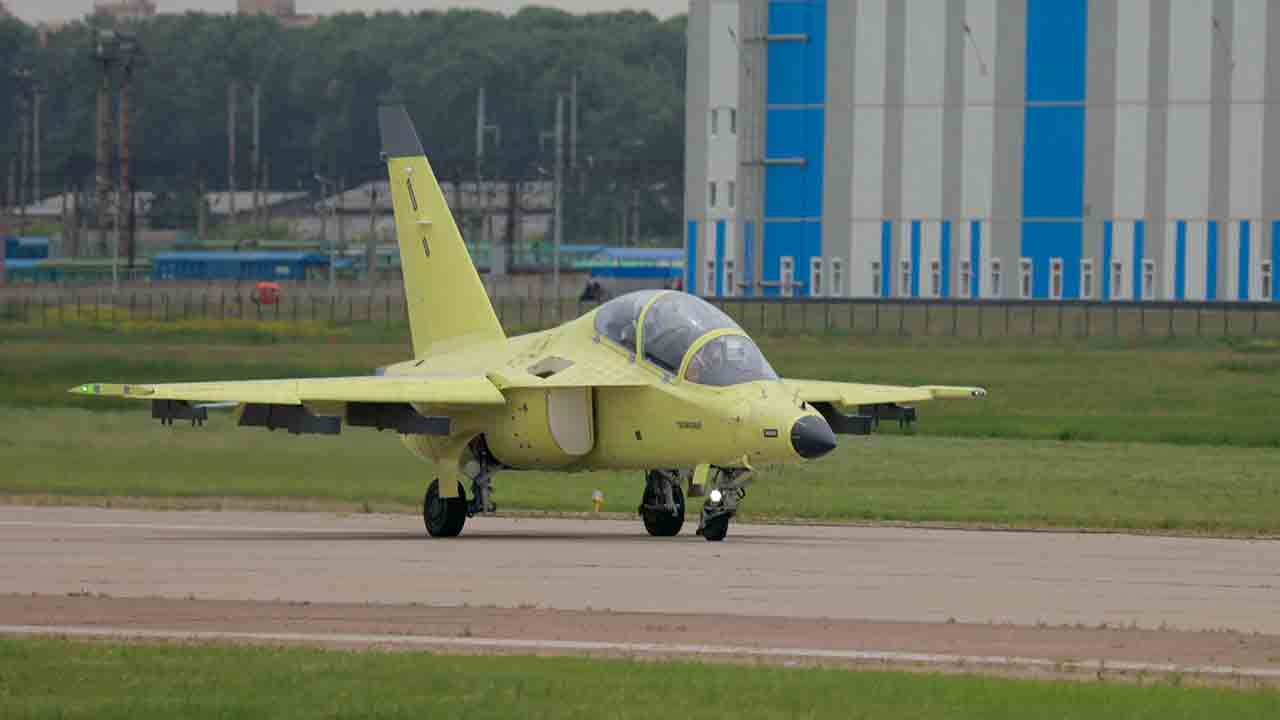
This is the central point of the project. Instead of limiting the Yak-130M to the training of modern fighter pilots, Russia is seeking to turn it into an aircraft capable of carrying out real attack and air defense missions in lower-intensity scenarios. For many countries, this type of aircraft can be a cheaper and simpler alternative to operate than heavy fighters, especially in patrol, close air support and response missions against threats such as drones.
The Yak-130M does not appear to be a radical break. Externally, it retains the familiar silhouette of the Yak-130, with straight wings, a two-seat cockpit and compact dimensions. The most relevant change lies in what is not immediately visible: new onboard systems, a modern radar and a broader weapons package, including air-to-air and air-to-ground weapons.
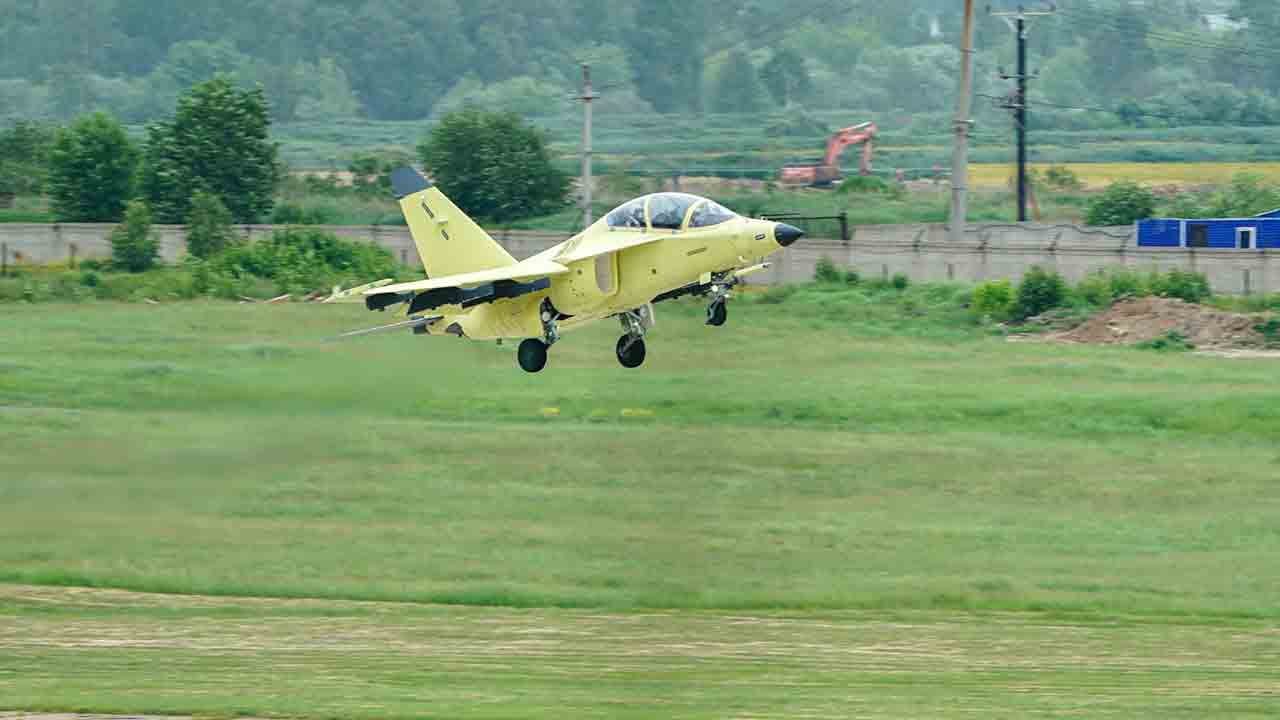
Rostec says the modernization allows the aircraft to operate in any weather condition, by day or night, bringing it closer to the standard required by modern air systems. Among the planned tasks are strikes against ground targets, interception of aerial threats and engagement of heavy-class drones.
A trainer aircraft is used to prepare pilots before they move on to more expensive and complex fighters. A light fighter, on the other hand, is designed for combat missions with lower operating costs. The Yak-130M attempts to combine these two functions on a single platform, which explains Rostec’s description of it as a “two-in-one” aircraft.
The model also has a commercial dimension. In November 2025, Rostec and Rosoboronexport presented a Yak-130M prototype at the Dubai Airshow, seeking to attract both countries that already operate the Yak-130 and new customers interested in renewing their fleets with more affordable aircraft.
The flight debut, therefore, is both a technical and strategic step. For Russia’s aerospace industry, the Yak-130M represents an attempt to update a known design, expand its export value and respond to the growing demand for aircraft capable of training pilots while also performing real combat missions.
Source and images: Telegram @uac_aviaprof. This content was created with the help of AI and reviewed by the editorial team.
