

GLP-1 weight-loss medications, such as Ozempic, could deliver significant savings for airlines, a new study has revealed.
According to research by Jefferies, an independent American multinational investment bank and financial services company, these drugs could result in lighter aircraft, lower fuel consumption, and increased cost savings.
“It makes sense that the weight of your passengers also affects your costs,” said Sheila Kahyaoglu, equity analyst at Jefferies and author of the study, in an interview with The New York Times published last Monday (19).
Kahyaoglu’s report found that major U.S. airlines such as American, Delta, Southwest, and United could save a combined total of US$580 million per year in fuel costs due to passengers using GLP-1 drugs, according to The Times.
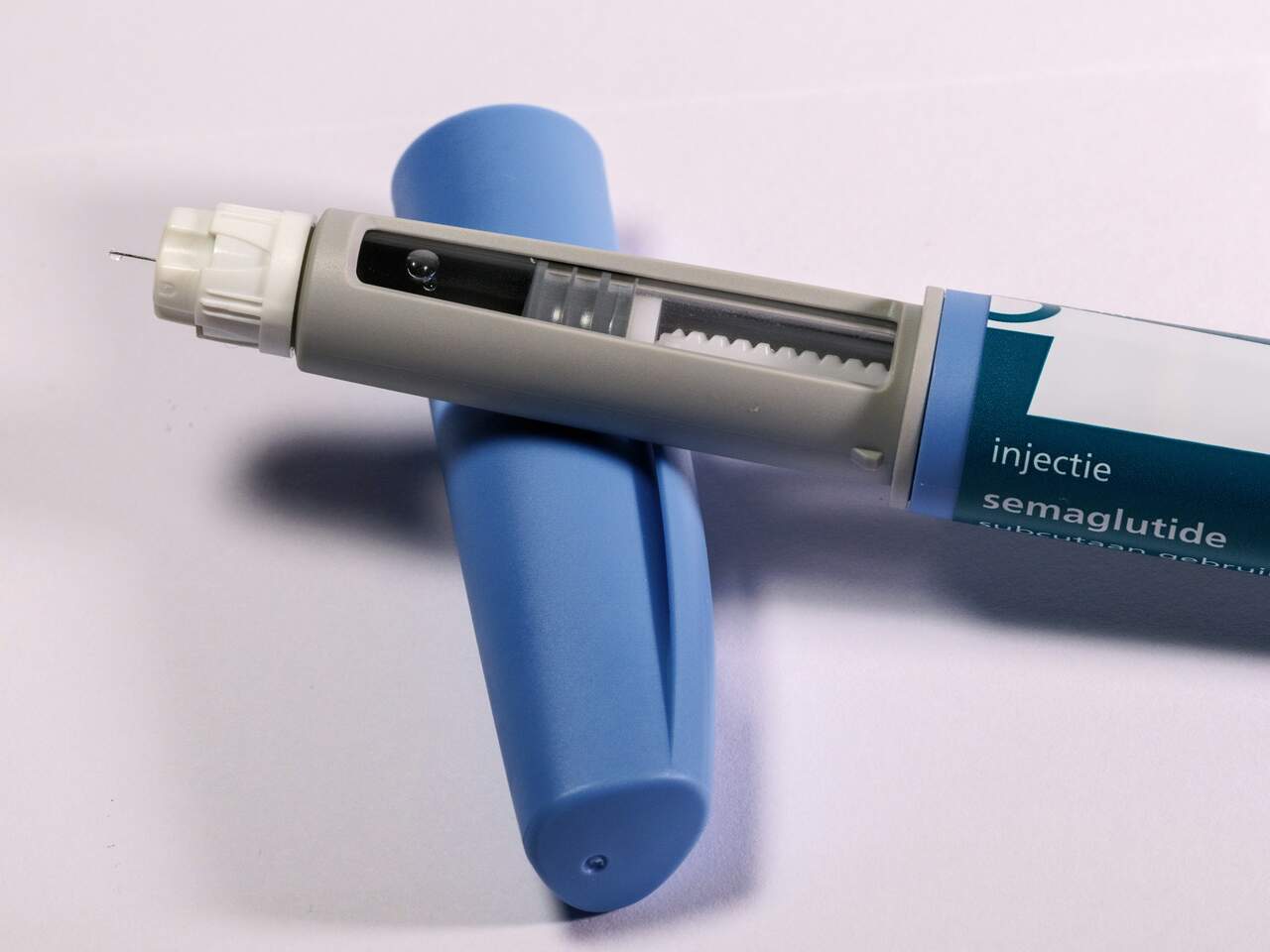
It is worth noting that GLP-1 drugs, now available in pill form, have become even more accessible than injections. “With the medication now available as a pill and obesity rates declining, broader use could have implications beyond waistlines,” Kahyaoglu explained.
According to Kahyaoglu’s study, if passenger weight were to decrease by just 10%, airlines could save up to 1.5% in fuel costs, which would in turn boost earnings per share by 4%.
Despite these findings, Kahyaoglu clarified that she does not expect airlines to purchase less fuel as a direct result of the study. However, she concluded that weight-loss medications could eventually lead to changes in revenue-generation strategies.
Photos: Unsplash. This content was created with the assistance of AI and reviewed by the editorial team.
