
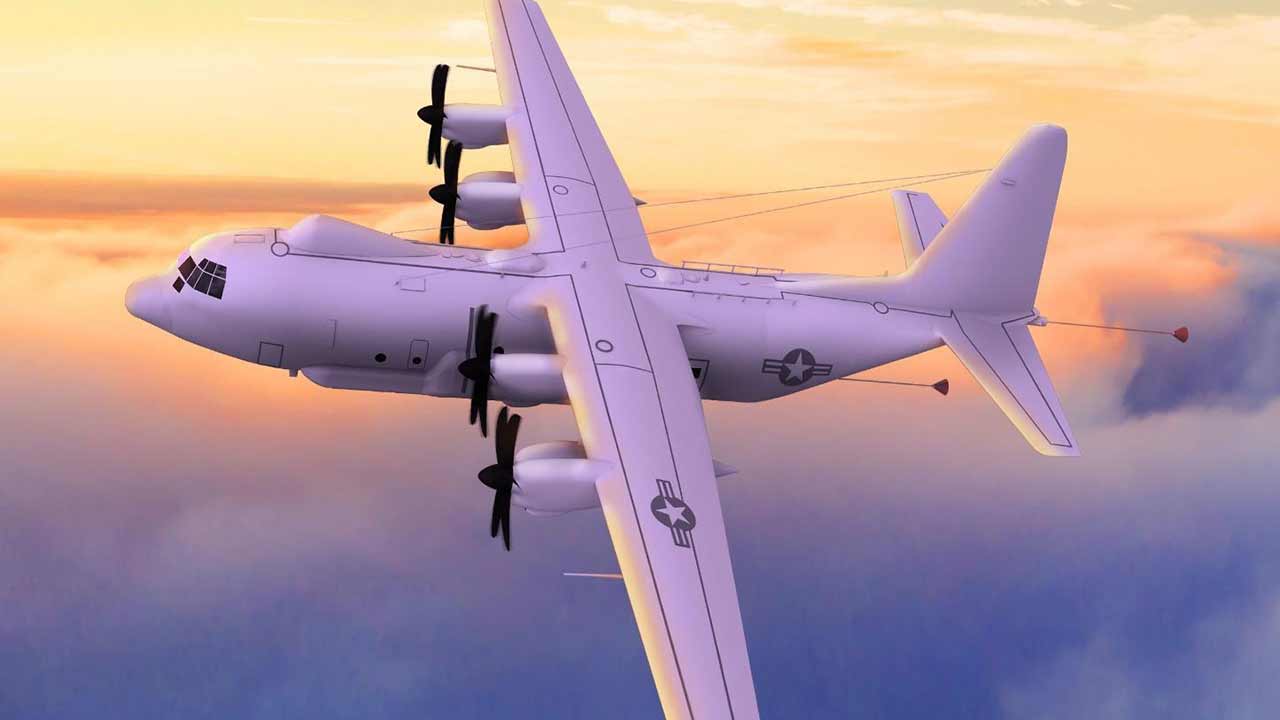
The development of the E-130J Phoenix II, the United States Navy’s new “doomsday plane,” has been delayed by approximately one year after the Government Accountability Office (GAO) concluded that previously identified technical risks have begun to directly affect the program’s schedule.
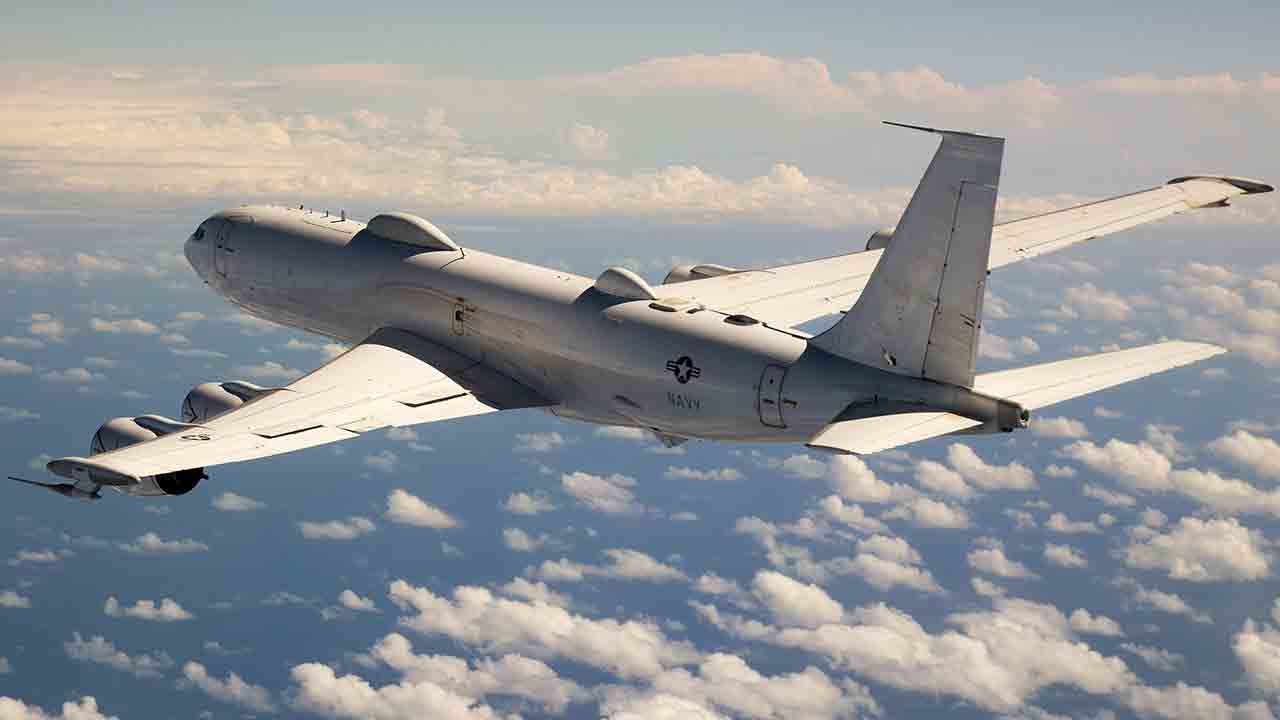
The aircraft was designed to replace the aging fleet of E-6B Mercury aircraft in the TACAMO mission, responsible for maintaining communication with nuclear submarines and transmitting strategic orders even when they are submerged.
According to the watchdog agency’s report, the main difficulty lies in integrating the complex mission systems into the C-130J-30 Hercules, the platform chosen to serve as the basis for the E-130J. Contractors had to modify existing equipment to reduce weight and adapt it to the aircraft, while the GAO says the Navy has not yet provided documents proving that the program remains on the officially announced schedule.
In addition to operating across virtually all military communication bands, the E-130J will feature encrypted systems, protection against electromagnetic pulses, reinforcements against cyberattacks, and a retractable antenna of around 8 kilometers to maintain contact with submerged submarines. The critical design review is expected to take place in late 2027, while the decision to begin low-rate production has been postponed to April 2029.

Despite the C-130J’s limitations compared with the older E-6B, such as lower speed and flight altitude, the new platform offers logistical advantages, lower maintenance costs, and the ability to operate from shorter runways and improvised bases. As the program faces delays, the Navy will have to keep the veteran E-6B Mercury aircraft in service for longer, since these aircraft will only be retired as the new E-130Js are incorporated into the fleet.
+ Tesla driver charged with manslaughter after Autopilot crash
Source: The War Zone | Photos: Navair | This content was created with the help of AI and reviewed by the editorial team
