
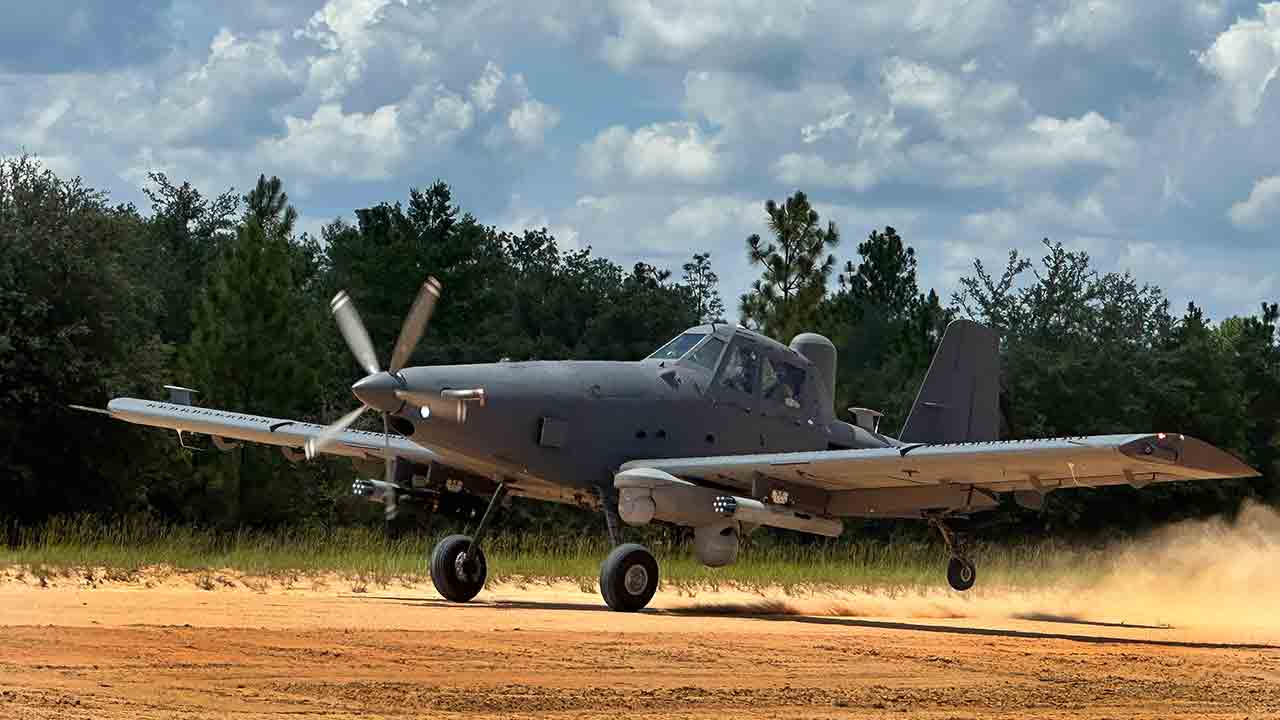
Eglin, Florida – The United States Air Force continues to advance the development testing of the OA-1K Skyraider II, the newest aircraft intended for the Special Operations Command.
The trials, conducted by the 96th Test Wing in partnership with the USAF Special Operations Command, aim to ensure the aircraft meets the demanding operational requirements of the modern battlefield.
The main goal of the test team is to validate the aircraft’s military airworthiness, verify the accuracy of the manufacturer’s performance data, and ultimately assess its effectiveness in real special operations missions.
+ Video: Motorcyclist Hits Bear and Survives to Tell the Story
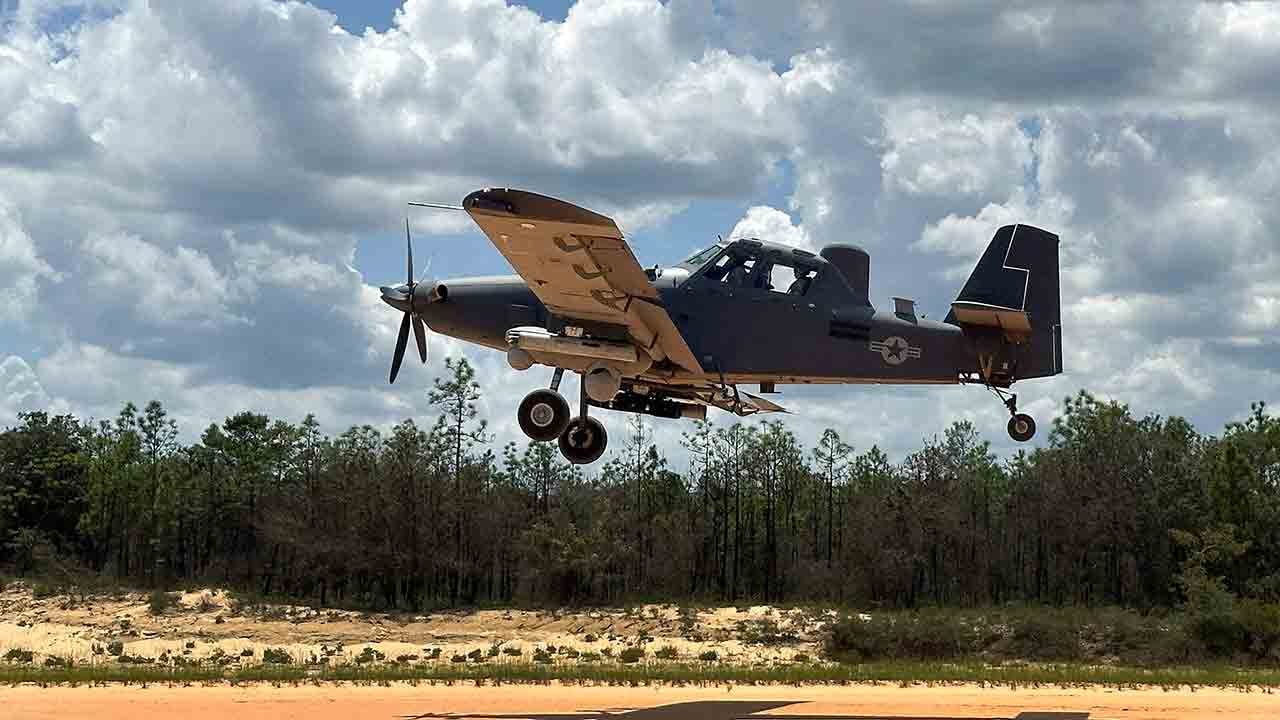
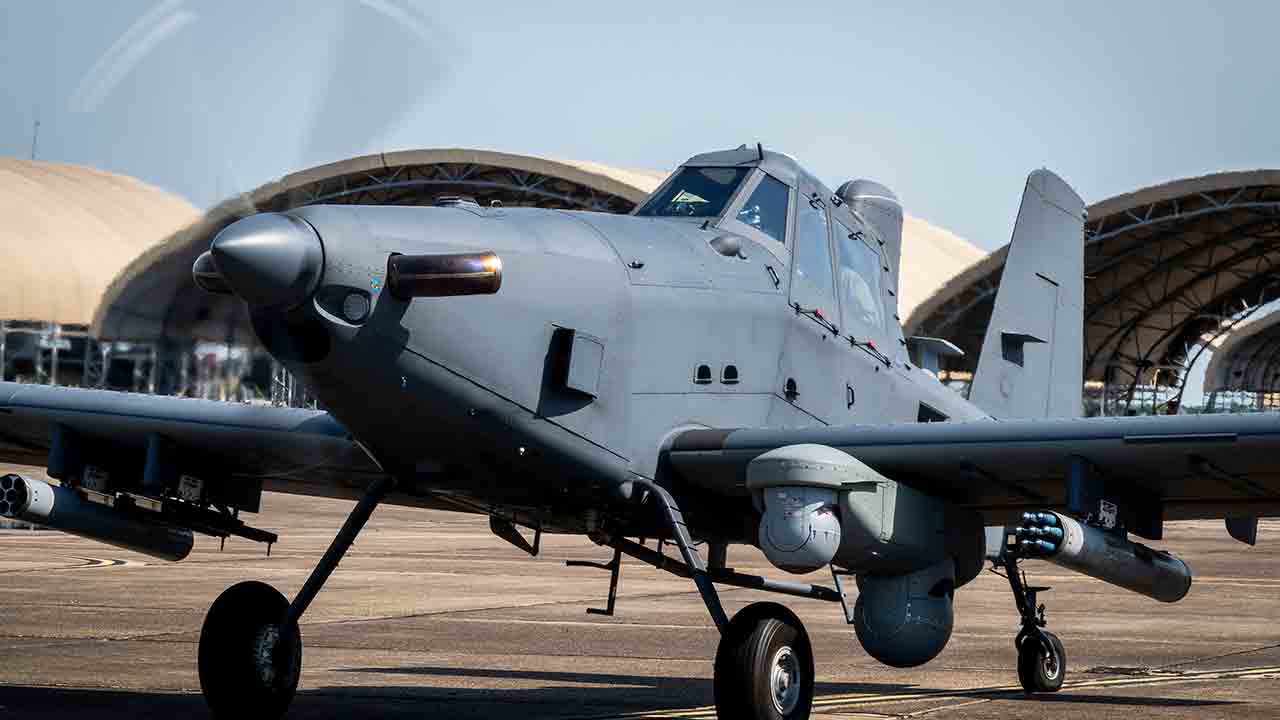
Designed to be a low-cost manned platform, the Skyraider II will support special operations troops operating in geographically isolated and austere environments. The aircraft is adaptable to various missions, such as close air support, precision strikes, armed surveillance, and ISR reconnaissance.
Unique Design and Operational Challenges
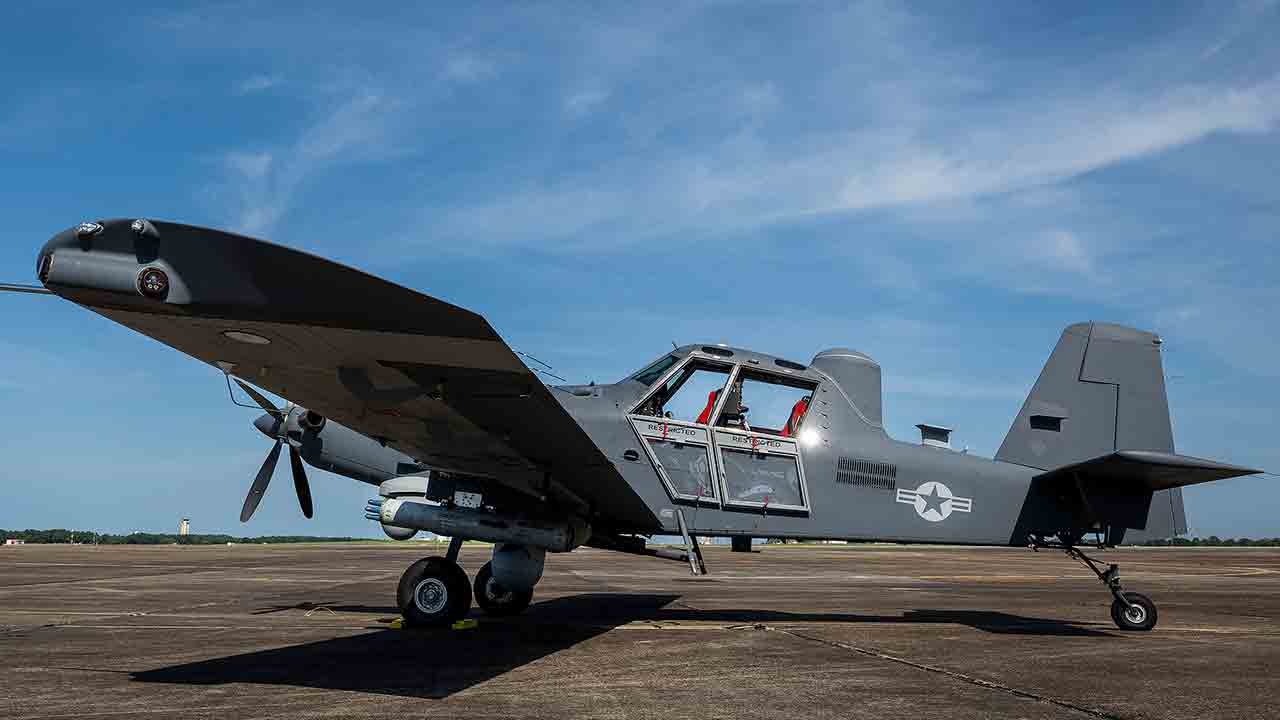
One of the most notable features of the OA-1K is its tailwheel configuration, a feature not used by the Air Force in over 50 years. This required a novel approach to testing, prompting evaluators to develop new methods for measuring and certifying the aircraft’s performance.
“There was significant involvement from regulatory aspects to the operational support needed to fly the Skyraider II,” explained Major Stephen Wakefield of the 96th Test Wing. According to him, the process included specific training with the civil version of the aircraft, the AT-802, to help pilots adapt to tailwheel flight operations.
Elite Pilots in the Testing Program
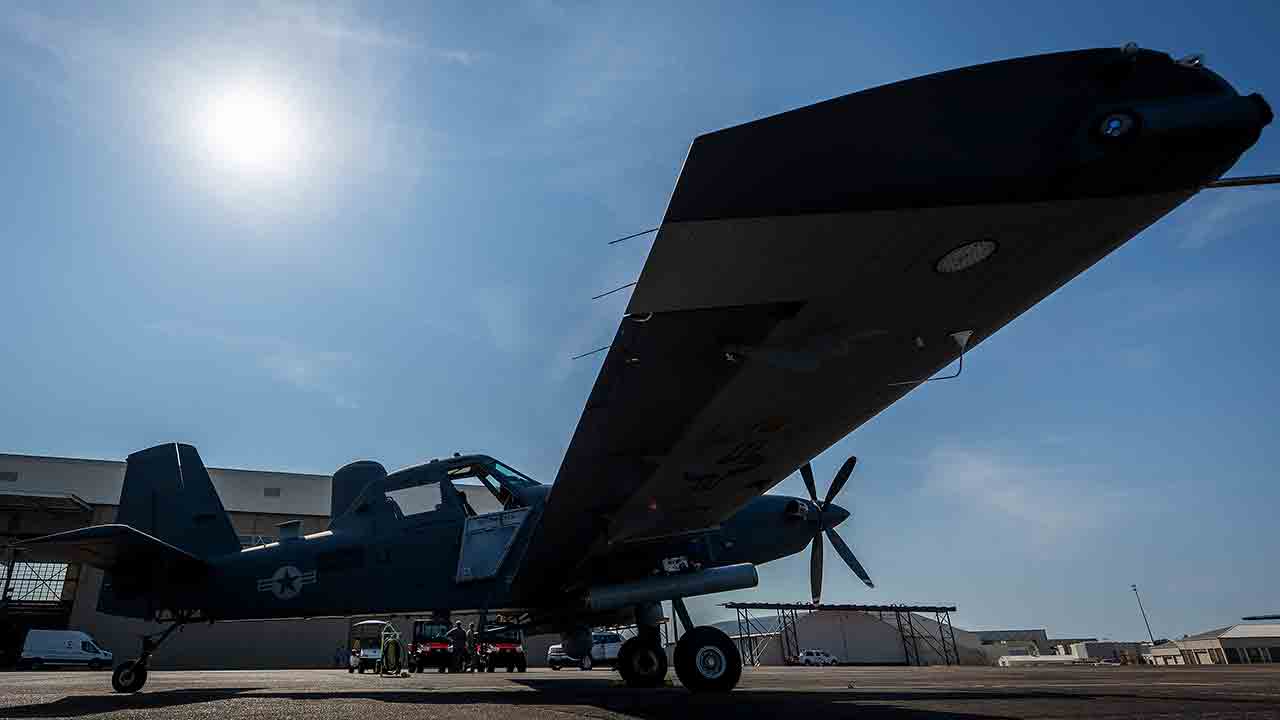
Experienced pilots with backgrounds in various aircraft types and mission profiles were selected for the Skyraider II testing program. Major Jacob Marsh, also from the 96th Wing, highlighted the complexity and value of the experience:
“Flying the OA-1K has been both rewarding and demanding. I have to be at my best every day. The joy of flying is just a bonus of the job.”
Marsh, who previously flew UH-1N helicopters at the Naval Test Pilot School, emphasized the operational similarities between helicopters and airplanes at certain speeds, which helped him adapt to the new model.
Progress in Testing and Next Steps
So far, crews have conducted landing tests with human factors evaluation, handling quality assessments on austere terrain, and missions focused on onboard sensor quality. In the future, the OA-1K will undergo weapons release testing.
With its robust, adaptable profile geared toward critical missions in hostile environments, the OA-1K Skyraider II emerges as a promising asset for the United States’ special operations aviation.
Source and photos: US Air Force / 96th Test Wing / Eglin AFB. This content was created with the help of AI and reviewed by the editorial team.
