
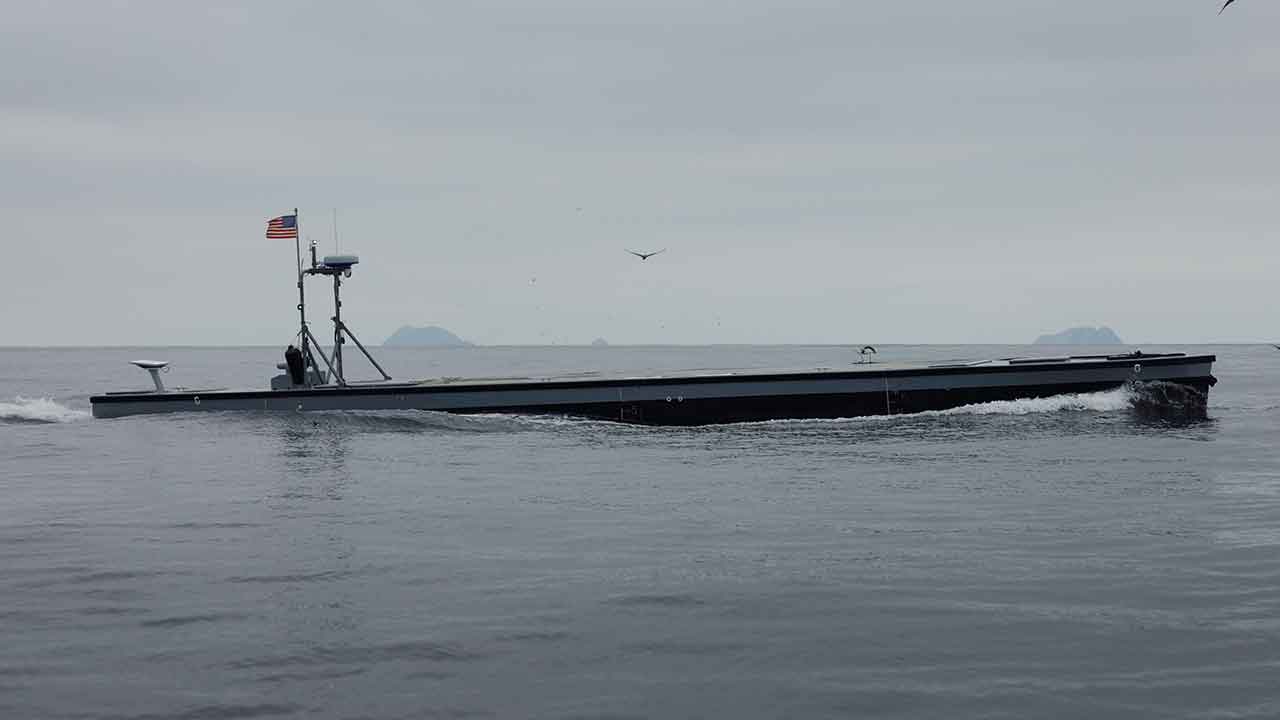
The United States Navy has ordered a new generation of low-profile autonomous boats inspired by the semi-submersible vessels used by drug traffickers to evade radar detection and aerial surveillance.
According to information from the Defence Blog website, the US$24.96 million contract was awarded to ReconCraft LLC and calls for the systems to be delivered by November 2028.
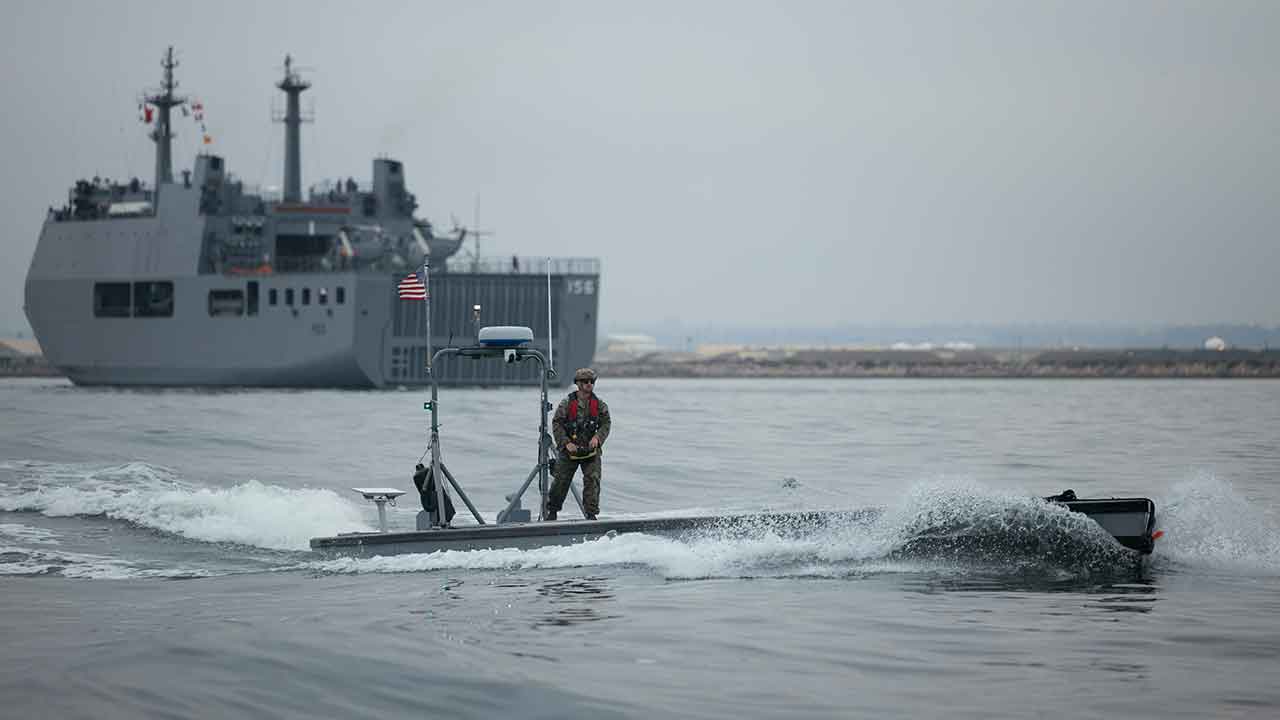
The Autonomous Low-Profile Vessels (ALPVs) operate with most of their hull submerged, leaving only a small section above the waterline. This design significantly reduces their visual and radar signatures, making the vessels more difficult to detect during reconnaissance, logistics and cargo transportation missions in high-risk areas.
The concept has been developed by the U.S. Marine Corps in recent years to support operations in the Indo-Pacific, where small units may need resupply without relying on large ships or fixed bases.
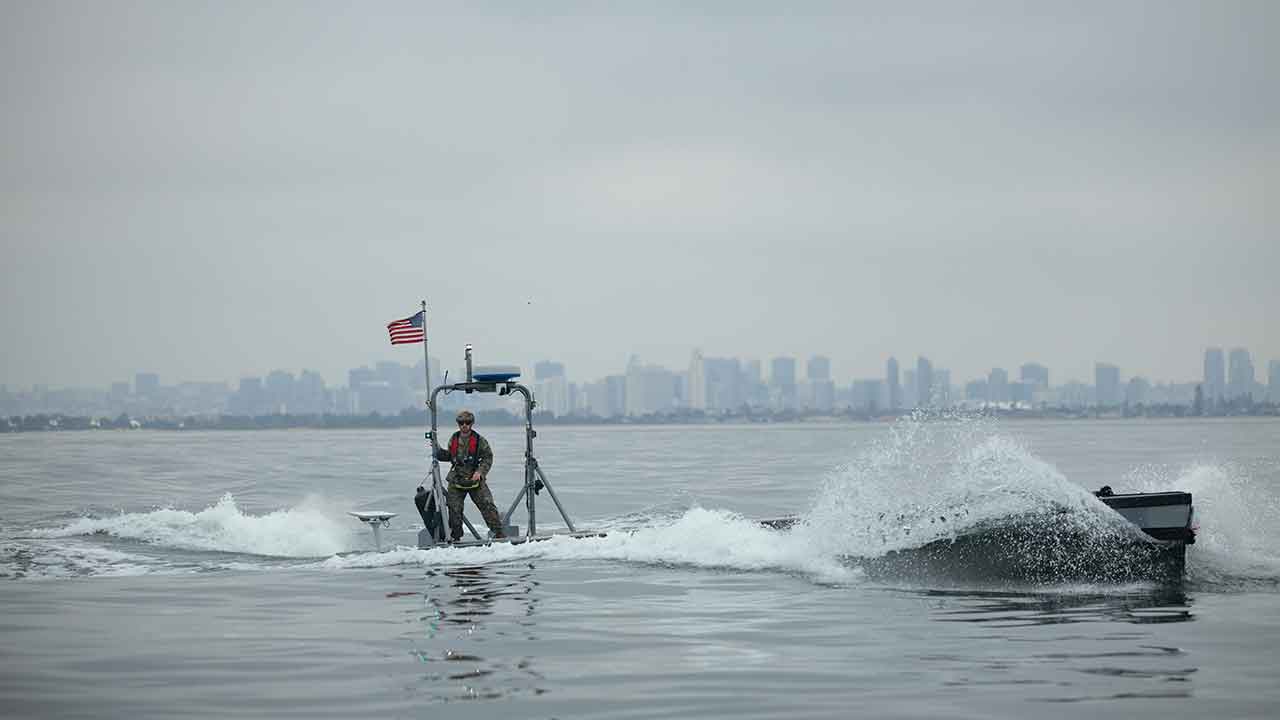
Vessels of this type are expected to autonomously transport supplies to forces positioned on islands or in contested regions.
According to analysts, the investment reflects the Pentagon’s strategy of expanding the use of unmanned platforms to increase the number of available assets without the costs associated with building large warships.
+ Ukraine says it shot down a Russian Su-35 fighter in the eastern sector
+ Azerbaijan confirms entry into service of JF-17C Block III fighter jets
Photos: United States Marine Corps. This content was created with the assistance of AI and reviewed by the editorial team.
