
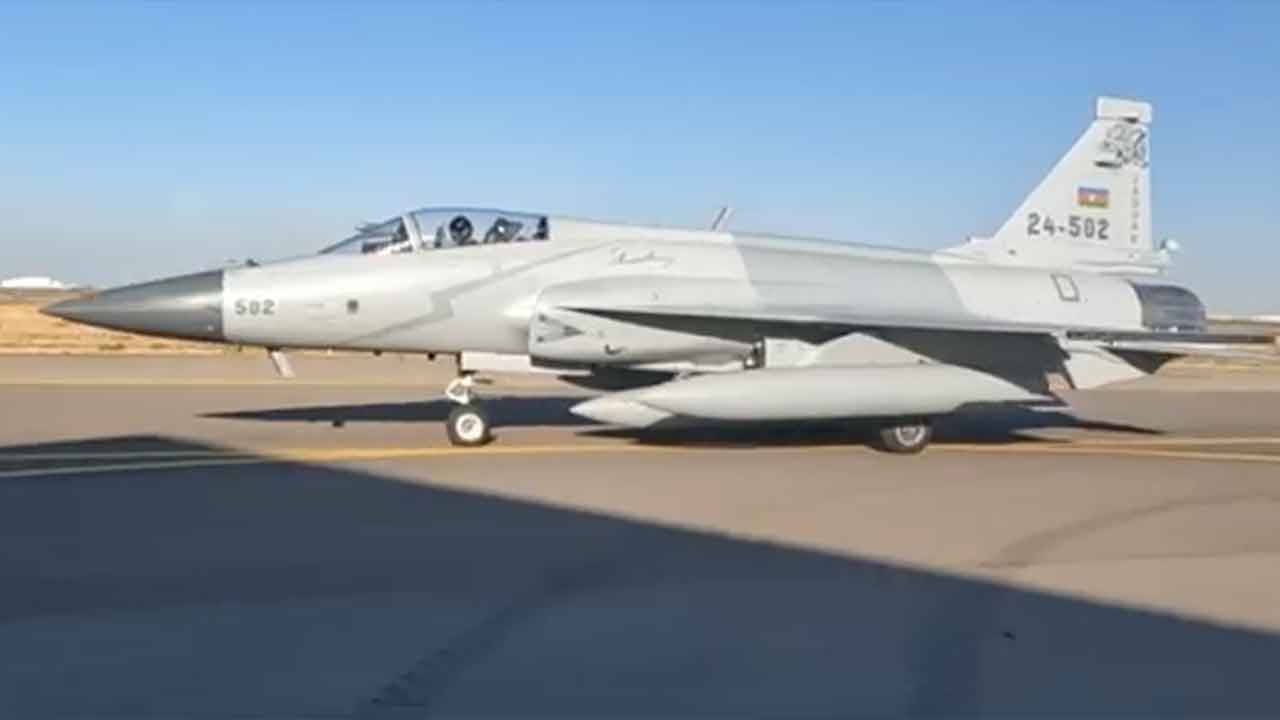
The new combat aircraft were shown conducting training flights alongside Su-25 and L-39 jets; the acquisition represents one of the country’s largest Air Force modernization programs in recent decades.
Azerbaijan has officially confirmed the entry into service of the JF-17C Thunder Block III multirole fighter jets, jointly developed by Pakistan and China. The aircraft were presented through footage of training flights conducted by the country’s Air Force.
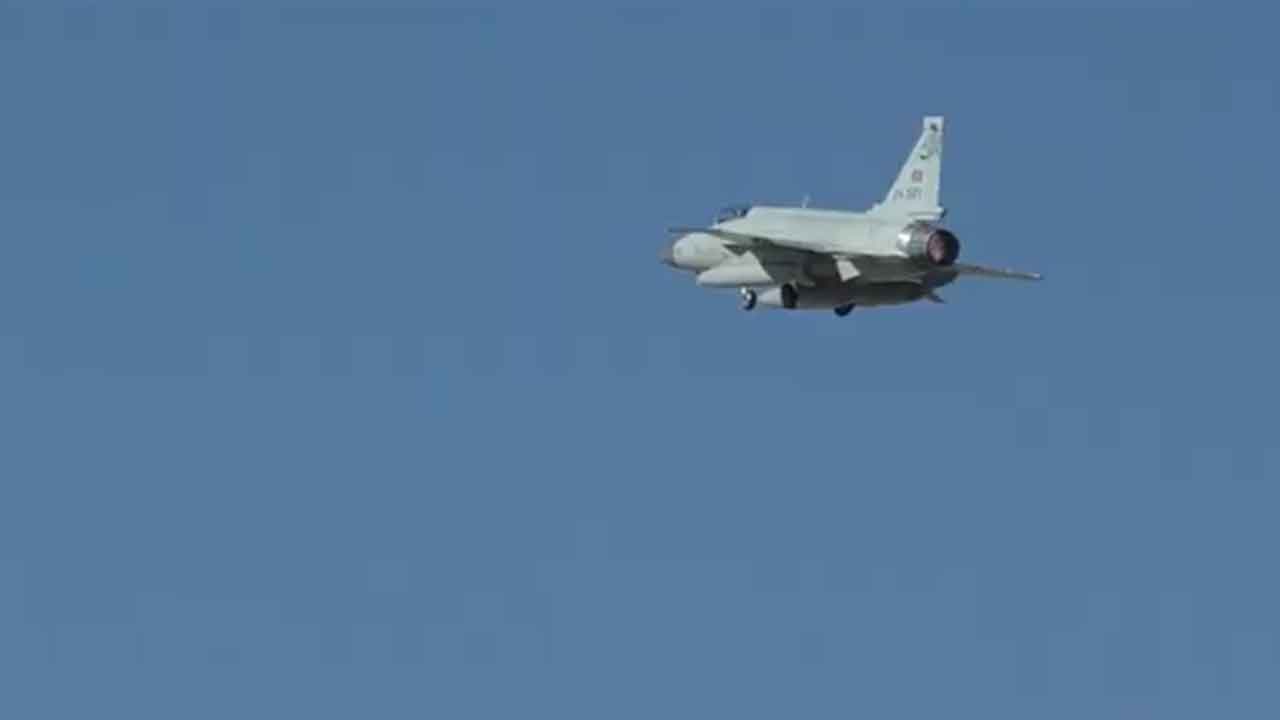
The video, published on July 6 by Azerbaijan’s Ministry of Defense, shows two JF-17Cs undergoing preparation procedures, taking off, flying in formation and landing.
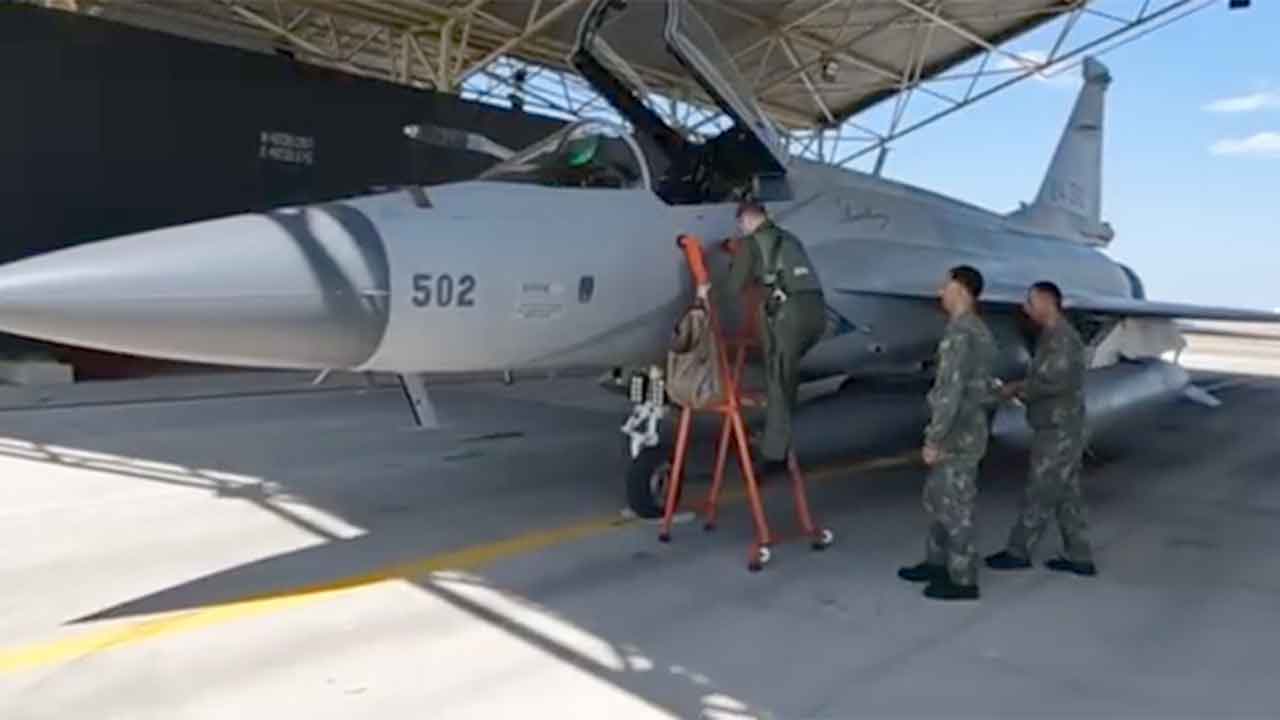
According to the official statement, the activities were part of the 2026 training plan and included airspace coordination exercises, tactical maneuvers and simulated operational missions.
The footage represents the first public confirmation that the fighters, negotiated for several years between Baku and Islamabad, are already being regularly operated by Azerbaijani military aviation units.
First JF-17 fighters identified
Open-source intelligence analyst Guy Plopsky identified the aircraft shown in the footage as two single-seat JF-17C Block III fighters with tail numbers 24-501 and 24-502.
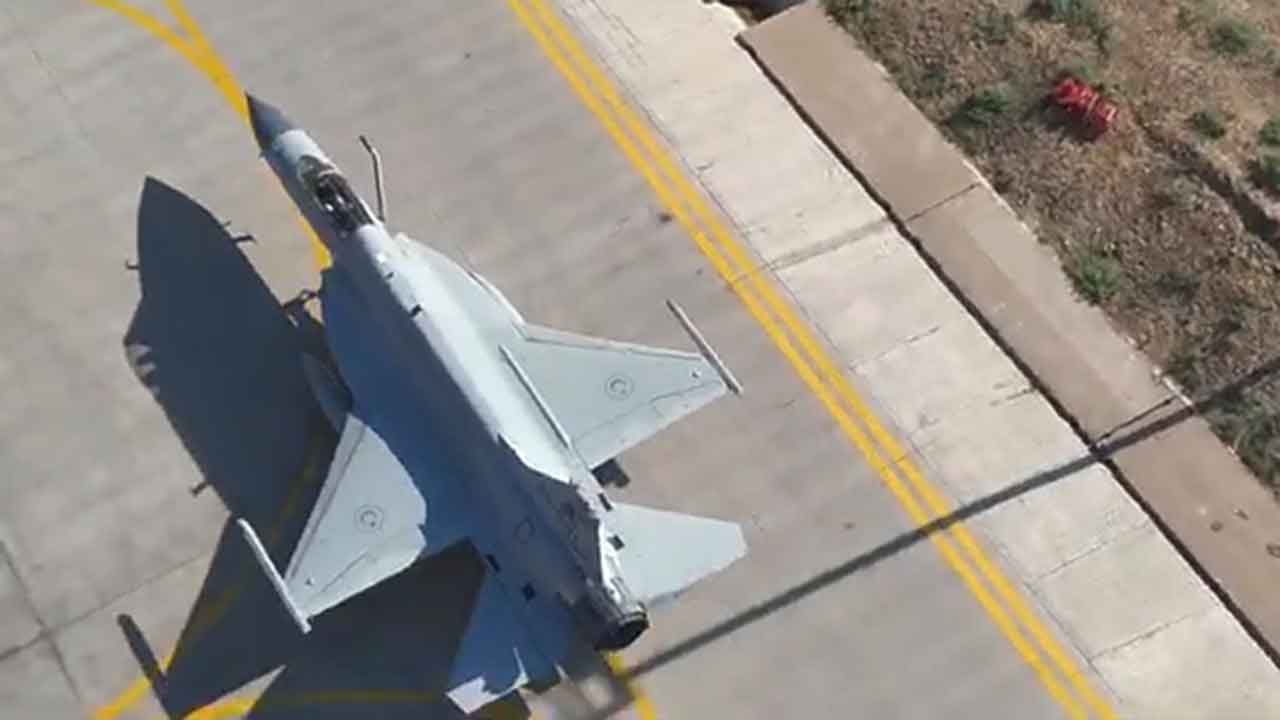
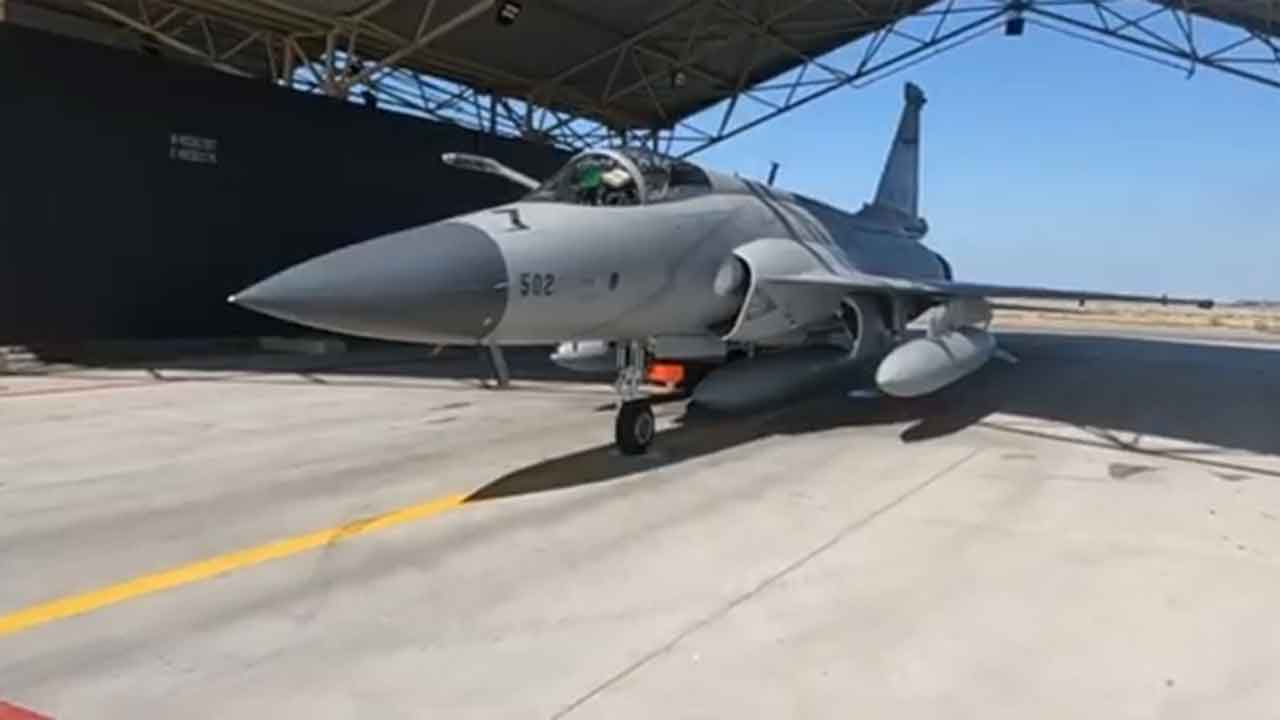
Both fighters appear equipped with three external fuel tanks and no visible weapons, a configuration consistent with training missions, pilot familiarization and longer-duration flights.
Although the Ministry of Defense did not officially disclose the location of the operation, independent analyses indicate that the footage was recorded at Nasosnaya Air Base, near the city of Sumqayit and approximately 30 kilometers from Baku.
The facility has recently undergone extensive modernization. Satellite images analyzed by the specialized publication Janes show the construction of 16 new aircraft shelters, as well as other improvements to the base’s infrastructure.
The footage released by the government also shows parts of other JF-17s parked in nearby shelters. The images suggest that the number of aircraft already delivered to Azerbaijan may be higher than the two examples shown in flight.
Program could reach 40 aircraft
The purchase of the JF-17 represents one of the largest export contracts secured by Pakistan’s military aviation industry.
In September 2024, Islamabad officially confirmed the signing of an agreement to supply JF-17 Block III aircraft to Azerbaijan, although the value and number of aircraft were not disclosed at the time.
Information later released by the Pakistani government and specialized media indicated that the program may have been expanded to as many as 40 aircraft, as part of a package estimated at US$4.6 billion.
In addition to the fighters, the agreement would reportedly include training for pilots and ground crews, support equipment, weapons, maintenance and infrastructure.
Should the full number be confirmed, Azerbaijan would become the largest foreign operator of the JF-17.
Modernization of Azerbaijani military aviation
The introduction of the JF-17C Block III represents an important change for the Azerbaijani Air Force, which for decades relied primarily on aircraft developed during the Soviet period.
The current fleet includes MiG-29 fighters and Su-25 attack aircraft. Although these models have received upgrades and continue to perform relevant roles, the JF-17 introduces more modern sensors, mission systems and communications capabilities.
The JF-17C Block III is approximately 14.9 meters long and has a wingspan of 9.45 meters.
The aircraft is powered by a Russian-designed RD-93 turbofan engine and can reach a maximum speed of approximately Mach 1.6, equivalent to around 1,900 km/h.
With external fuel tanks, the fighter can achieve a ferry range of more than 3,000 kilometers, depending on its configuration, altitude and flight profile.
Its operational radius during actual missions is shorter and varies according to the amount of fuel, weapons and equipment carried.
AESA radar and new-generation weapons
One of the main differences between the Block III and previous versions is the adoption of the KLJ-7A active electronically scanned array radar, a technology known by the acronym AESA.
This type of equipment can track multiple targets simultaneously, provides greater resistance to electronic interference and improves detection capabilities under different operational conditions.
The fighter also features a modernized cockpit, a helmet-mounted display, updated electronic warfare systems and an architecture compatible with different types of Chinese and Pakistani weapons.
Among the options associated with the aircraft is the PL-15E air-to-air missile, developed for beyond-visual-range engagements.
The exact range and performance figures of the export version have not been officially disclosed.
The combination of an AESA radar, new electronic systems and longer-range weapons provides Azerbaijan with capabilities significantly superior to those offered by much of its current Soviet-origin fleet.
+ Ukraine says it shot down a Russian Su-35 fighter in the eastern sector
Source and images: Ministry of Defense of Azerbaijan | YouTube @azerbaijan_mod. This content was created with the assistance of AI and reviewed by the editorial team.
