

The New START Treaty, the last remaining nuclear arms control agreement in force between Russia and the United States, expired at midnight on February 5, bringing to an end more than five decades of formal restrictions on the world’s largest nuclear arsenals.
In a statement released on February 4, Russia’s Ministry of Foreign Affairs said that Moscow no longer considers itself bound by any limitations related to nuclear weapons as a result of the treaty’s expiration. According to the statement, with the end of the agreement, the parties “are no longer bound by any obligations and symmetric declarations within the framework of the treaty, including its core provisions, and are, in principle, free to choose their next steps.”
The ministry added that Russia is prepared to adopt “military-technical countermeasures in order to eliminate potential additional threats to national security,” while at the same time stating that it remains open “to seeking political and diplomatic ways to comprehensively stabilize the strategic situation.”
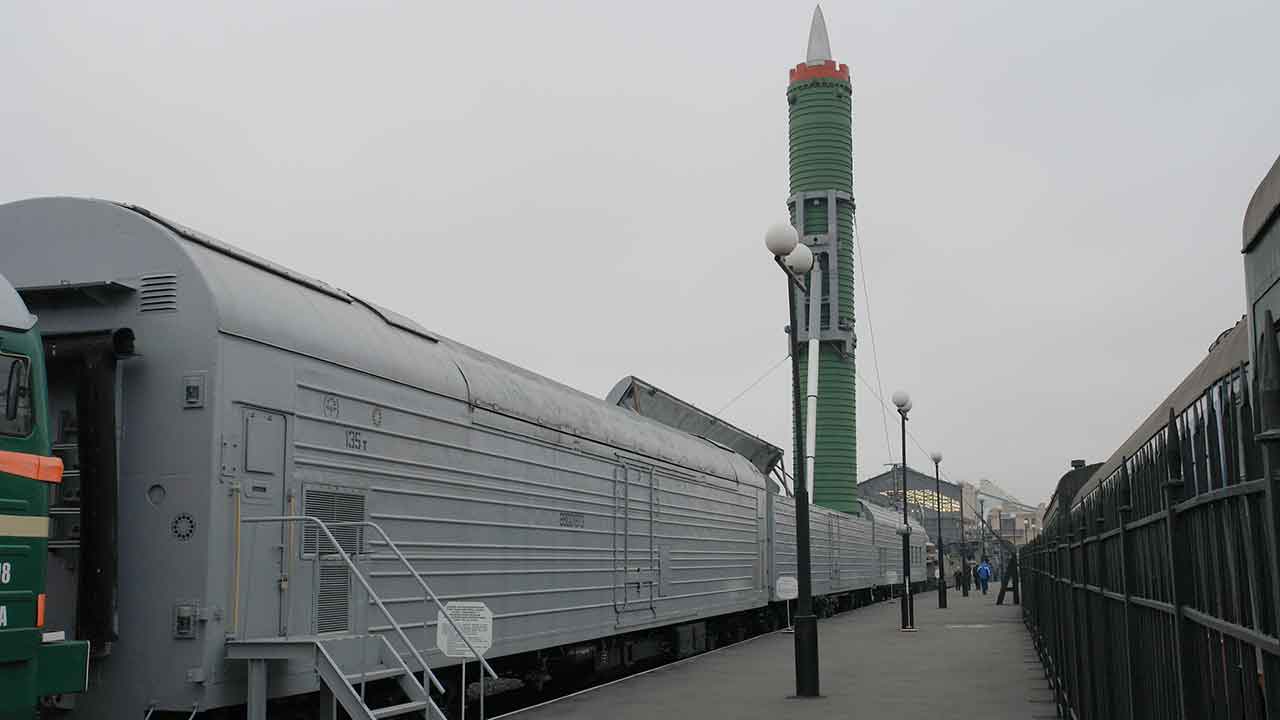
End of a pillar of nuclear stability
Officially known as the START-3 Treaty on the Reduction and Limitation of Strategic Offensive Arms, the agreement was signed in 2010 and entered into force in 2011, becoming one of the main pillars of what is known as global nuclear stability. The text established strict limits, including a cap of 1,550 strategic nuclear warheads for each side, as well as mutual verification mechanisms.
The treaty was originally set to expire in 2021, but it was extended for five years following an understanding between Russian President Vladimir Putin and then U.S. President Joe Biden. This single extension kept the agreement in force until February 2026, without a new instrument being negotiated.
Signed in Prague in 2010 by then presidents Barack Obama and Dmitry Medvedev, New START was the last treaty to impose legal limits on the strategic arsenals of the two largest nuclear powers.

With its expiration and without the signing of a new replacement agreement, the world is entering, for the first time in more than 50 years, a period without any legal regime of direct control over the strategic nuclear arsenals of Washington and Moscow.
+ Royal Navy drone pilot prevents £2.5 million aircraft from crashing in the Gulf of Oman
+ U.S. Navy invests US$ 22.6 million in next-generation helmets
Source and images: Telegram @MID_Russia. This content was created with the help of AI and reviewed by the editorial team
