
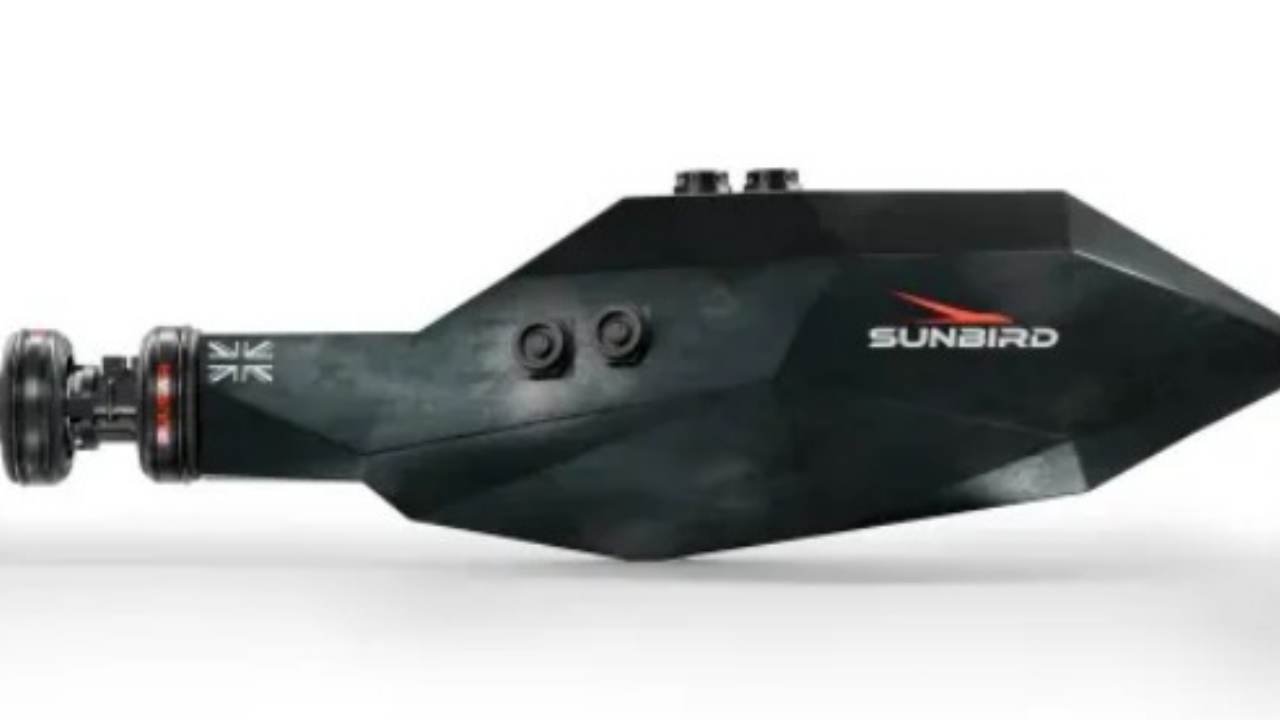
The concept of a nuclear-powered rocket is being studied for future missions
Many astronauts dream of reaching Mars in a shorter and safer time. And that dream may not be so far off. With funding from the UK Space Agency, British startup Pulsar Fusion has unveiled the Sunbird, a concept space rocket designed to rendezvous with spacecraft in orbit, dock with them, and carry them to their destination at high speed using nuclear fusion.
“It’s very unnatural to do fusion on Earth,” says Richard Dinan, founder and CEO of Pulsar. “Fusion doesn’t want to work in an atmosphere. Space is a much more logical and sensible place to do fusion, because that’s where it naturally wants to happen.”
For now, the Sunbird is in its early construction stages and faces significant engineering challenges, but Pulsar says it hopes to achieve fusion in orbit for the first time by 2027. If the rocket becomes operational, it could one day cut the travel time of a potential Mars mission in half.
Nuclear fusion is different from nuclear fission, which powers current nuclear power plants. Fission works by splitting heavy, radioactive elements like uranium into lighter elements using neutrons. The vast amount of energy released in this process is used to generate electricity.
Fusion, on the other hand, does the opposite—combining very light elements like hydrogen into heavier ones using high temperature and pressure. “The sun and stars are all fusion reactors,” says Dinan. “They’re cookers of elements—cooking hydrogen into helium—and then, when they die, they create the heavy elements that make up everything. Ultimately, the universe is mostly hydrogen and helium, and everything else was cooked in a star by fusion,” he added.
This content was created with the help of AI and reviewed by the editorial team.
