
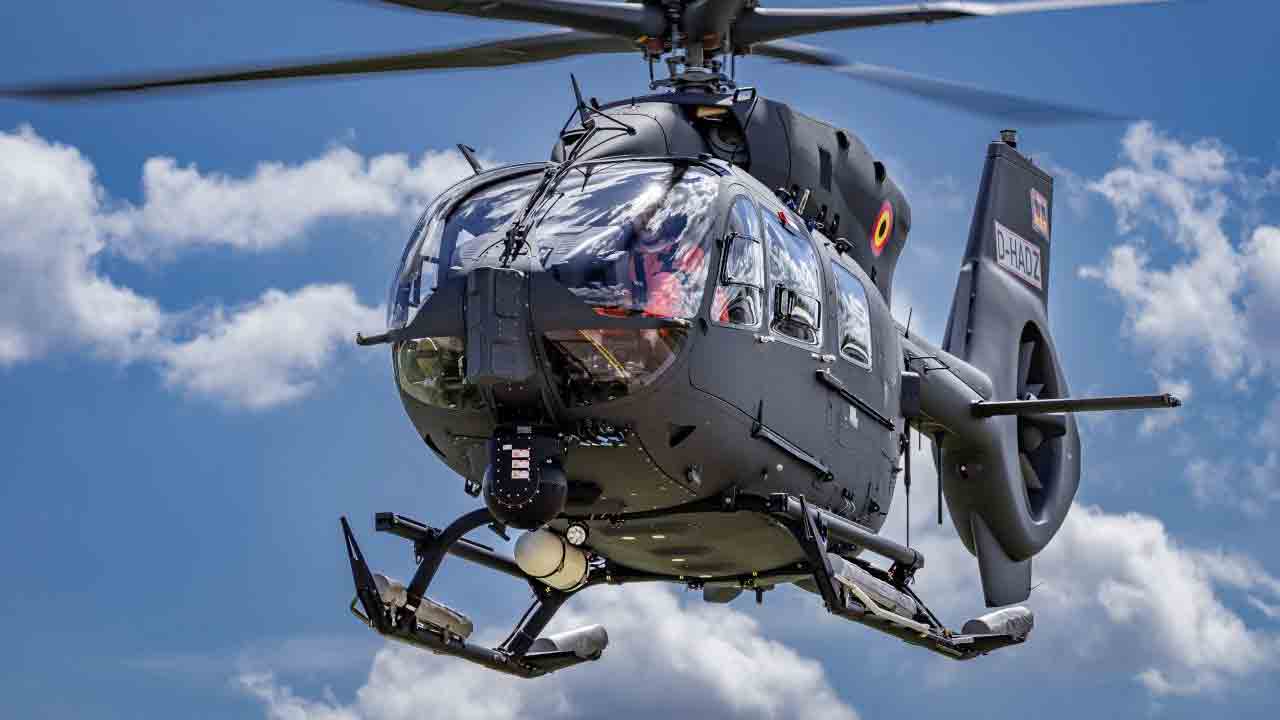
Belgium has officially placed its first Airbus H145M into service, marking the beginning of a major renewal of the helicopter fleet used by the country’s armed forces and security agencies.
The aircraft was delivered by Airbus Helicopters in Donauwörth, Germany, as part of a contract signed in 2024 through the NATO Support and Procurement Agency (NSPA). The package includes helicopters for the Belgian Defence and the Federal Police. Following the recent order for three additional aircraft, Belgium’s total order now stands at 20 helicopters.
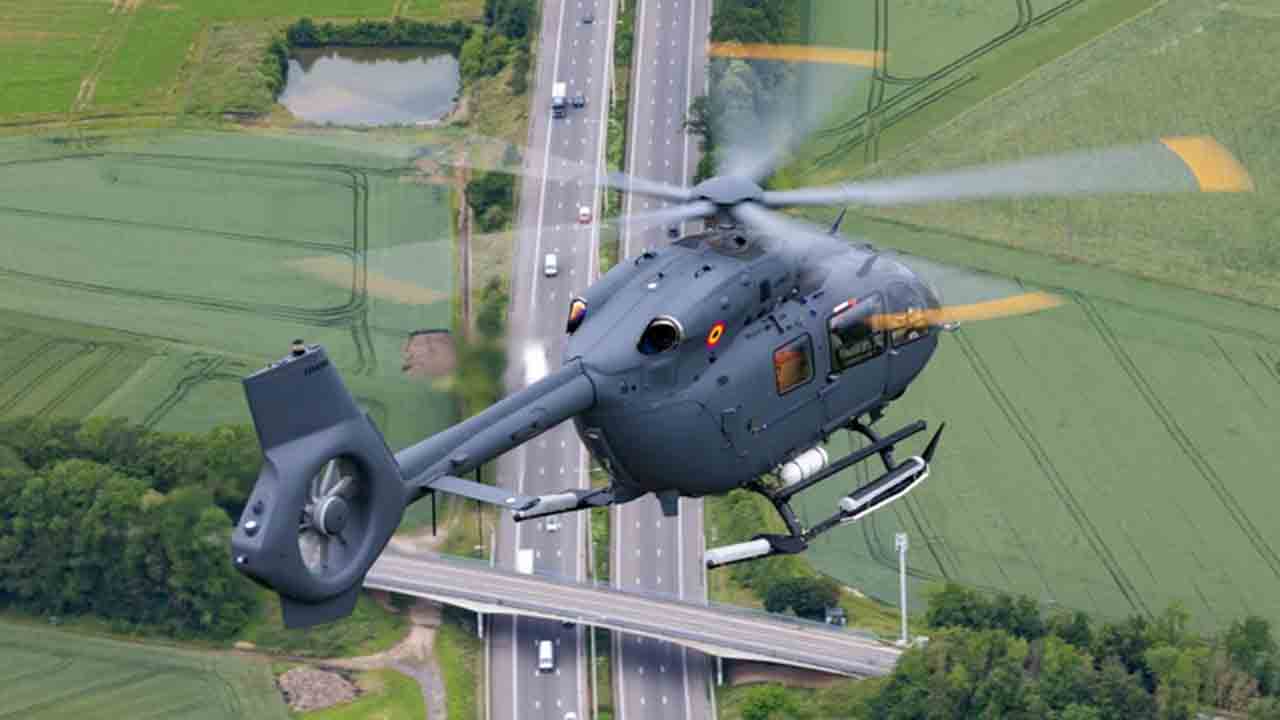
Why does this matter? Because the H145M is more than just a modern replacement for older aircraft. It represents a shift in operational philosophy: instead of relying on highly specialized helicopters, Belgium is investing in a lightweight, twin-engine, modular platform capable of performing multiple missions using the same mechanical and electronic architecture.
In practice, the H145M can be used for troop transport, special operations support, medical evacuation, external cargo lifting, surveillance, police missions, and, in its military configuration, light armed support. This versatility is precisely what explains the growing interest in the aircraft across Europe.
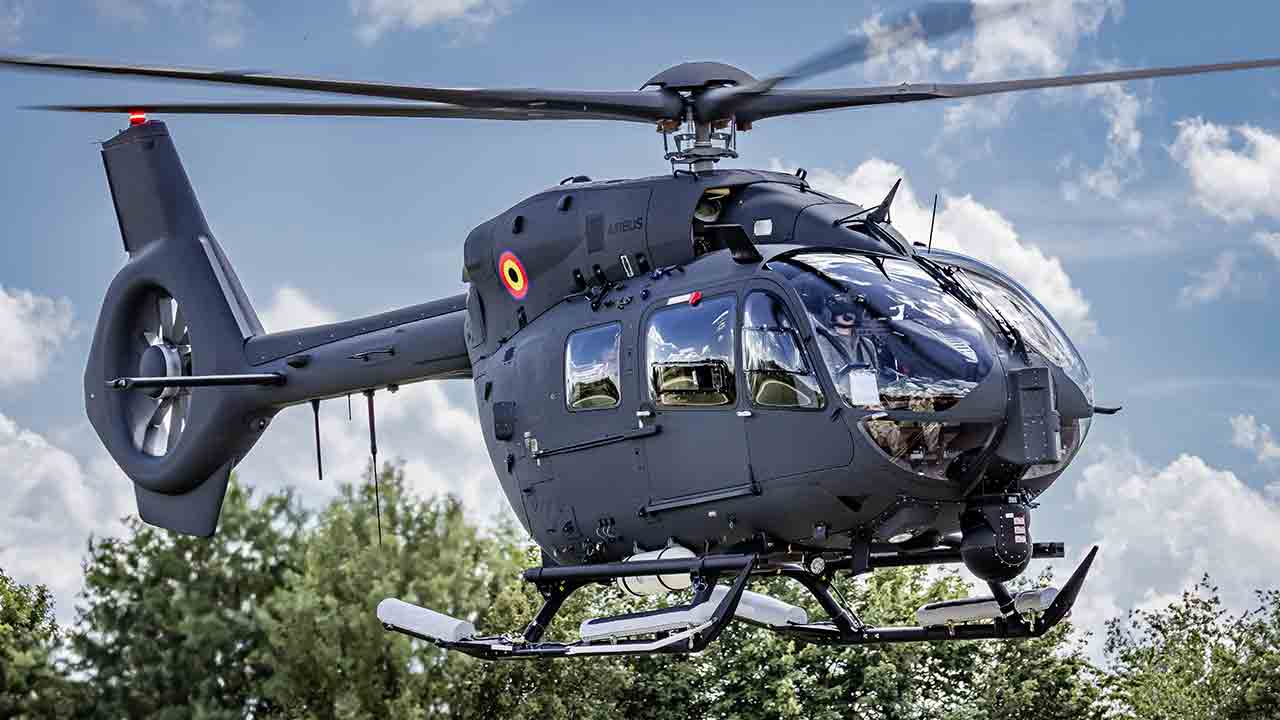
One of its most notable technical features is its rapid reconfiguration capability. According to Airbus, the helicopter can be adapted for different mission profiles within minutes, ranging from light armed support to a special operations configuration equipped with fast-rope systems, a rescue hoist, and external cargo transport.
Visually, what stands out is the H145M’s compact appearance. It lacks the imposing presence of a heavy attack helicopter, but that more discreet profile reinforces its purpose: to be a light, agile, and flexible aircraft capable of carrying out military and security missions without requiring the extensive infrastructure demanded by larger helicopters.
For general readers, it’s worth noting that the H145M is the military version of the H145, a twin-engine helicopter already widely used in civilian, law enforcement, and rescue operations. The H145 family has accumulated more than 8.5 million flight hours worldwide, reflecting a mature platform with extensive operational experience in maintenance, training, and reliability.
Belgium also joins a growing group of operators that already includes Germany, Hungary, Serbia, Luxembourg, Thailand, Ecuador, and Honduras. In the United States, the H145 family is operated by the U.S. Army under the designation UH-72 Lakota, with nearly 500 aircraft currently in service.
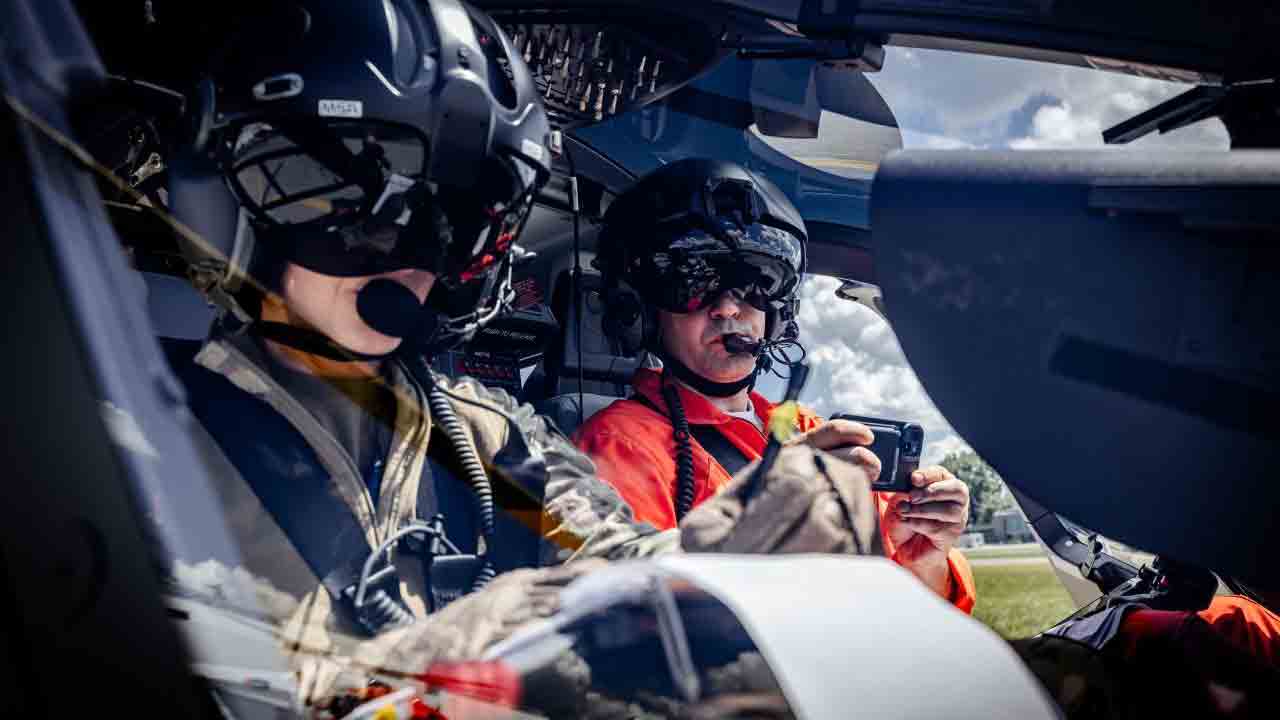
Belgium’s new helicopter is powered by two Safran Arriel 2E engines and equipped with a digital FADEC engine control system and the Helionix avionics suite, which includes a four-axis autopilot. This combination reduces pilot workload, especially during long-duration missions, night operations, or flights in complex environments.
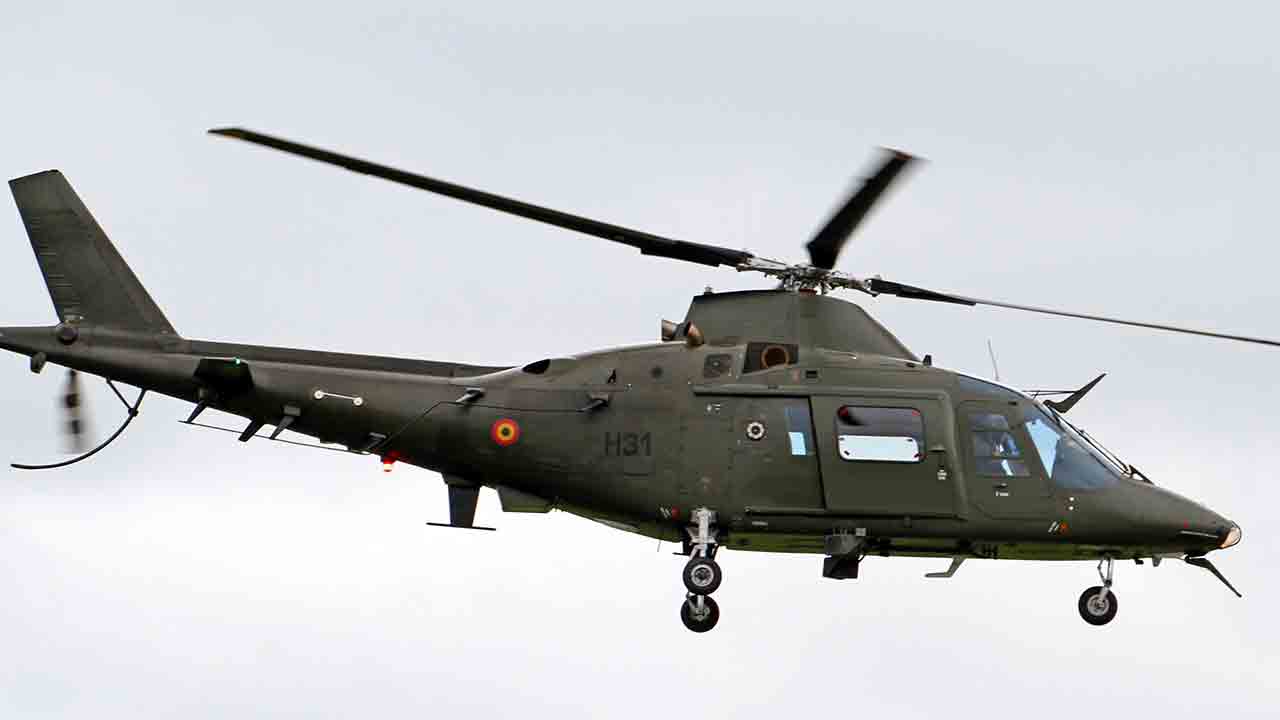
The arrival of the first H145M also carries symbolic importance for Belgian military aviation. The Belgian Defence announced that 15 aircraft will be delivered by 2027 to gradually replace the aging Agusta A109 helicopters, which have been in service since the 1990s. The transition reflects an effort to modernize not only the fleet itself but also the way Belgium intends to employ helicopters in both national and international missions.
+ U.S. Air Force permanently relocates Global Hawk surveillance drones to Japanese air base
Source and images: Belgian Defence and Airbus Helicopters | Wikimedia. This content was created with the assistance of AI and reviewed by the editorial team.
