
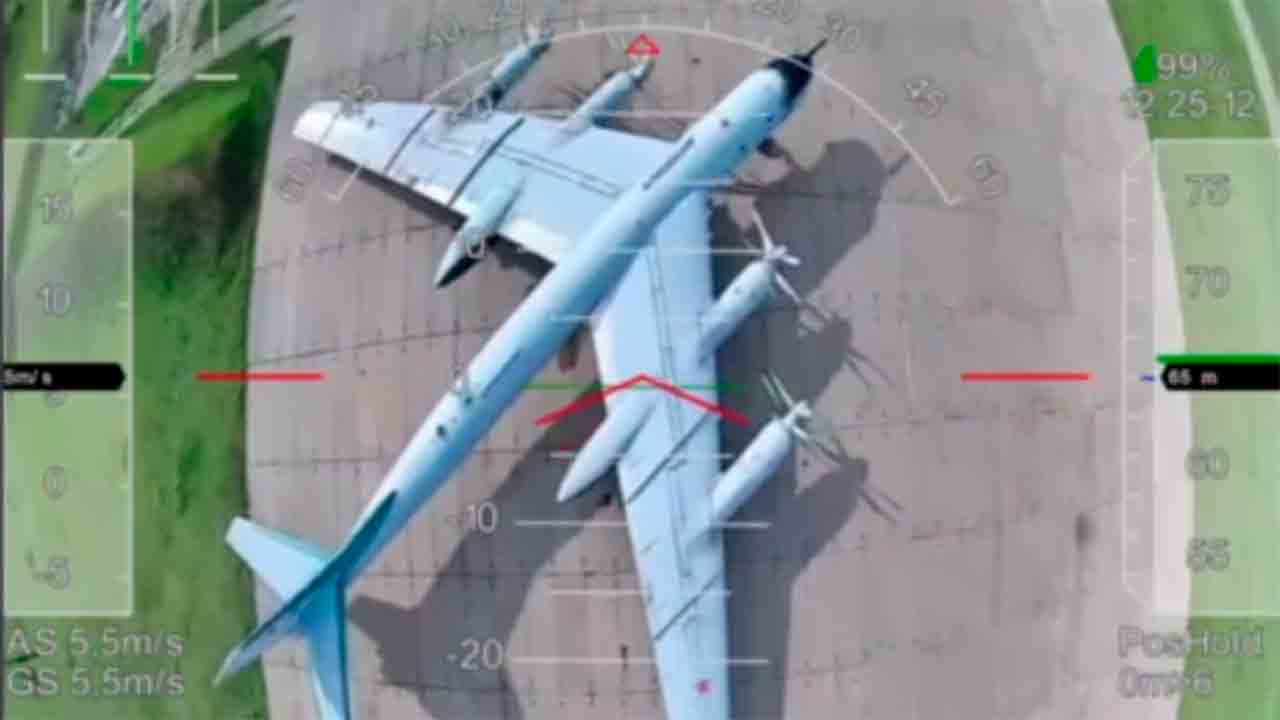
Last weekend, Ukraine launched a bold offensive against Russia using FPV drones (first-person view). The operation resulted in the destruction of 41 Russian military aircraft, including Tu-95 bombers and A-50 surveillance planes, as well as a bridge.
+ Ukrainian drone destroys Grad launcher and worsens Russian equipment losses
Video: Footage shows precise drone strike carried out by the SBU
The operation, called “Spider Web,” was planned over a year and a half and involved the covert deployment of drones hidden in trucks to air bases inside Russia. The devices were concealed on warehouse rooftops and activated remotely, causing estimated damages of $7 billion to Russian aviation.
+ Video shows drones taking off from a truck in Russia
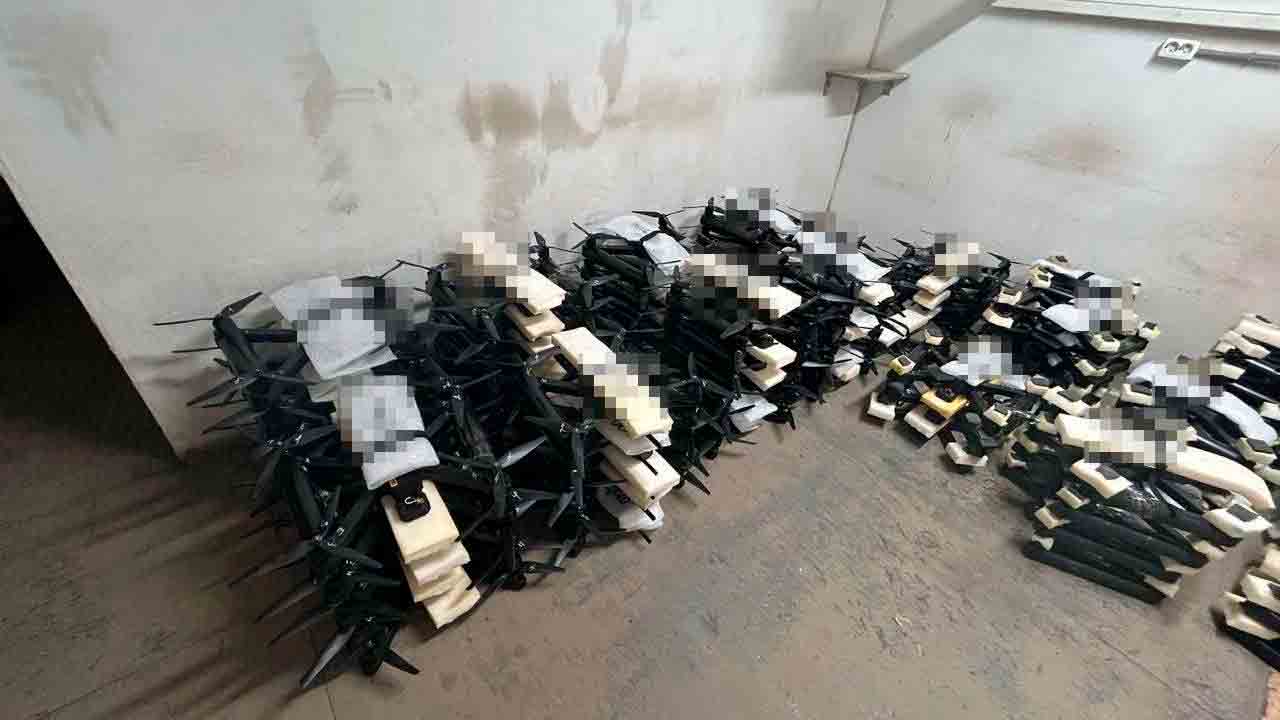
The FPV drones used are originally civilian models, commonly used for sports filming. Cheap and lightweight, they cost less than $530 per unit, making mass production feasible. Their range varies from 5 to 20 km, depending on the model and payload. Ukraine has modified specific models for combat, such as the “Baba Yaga,” which carries up to 15 kg of explosives and can operate at night using thermal cameras.
Controlled by ground pilots through real-time video, FPV drones stand out for their agility and difficulty to intercept, making them an effective tool of warfare.
Source: X @DefenceU | Images: Telegram @army_tv | This content was created with the help of AI and reviewed by the editorial team
On June 1, the Security Service of Ukraine carried out a brilliant operation— on enemy territory, targeting only military objectives, specifically the equipment used to strike Ukraine. Russia suffered significant losses.
In total, 117 drones were used in the operation – with a… pic.twitter.com/PeD1lTx9Nw
— Defense of Ukraine (@DefenceU) June 2, 2025
