
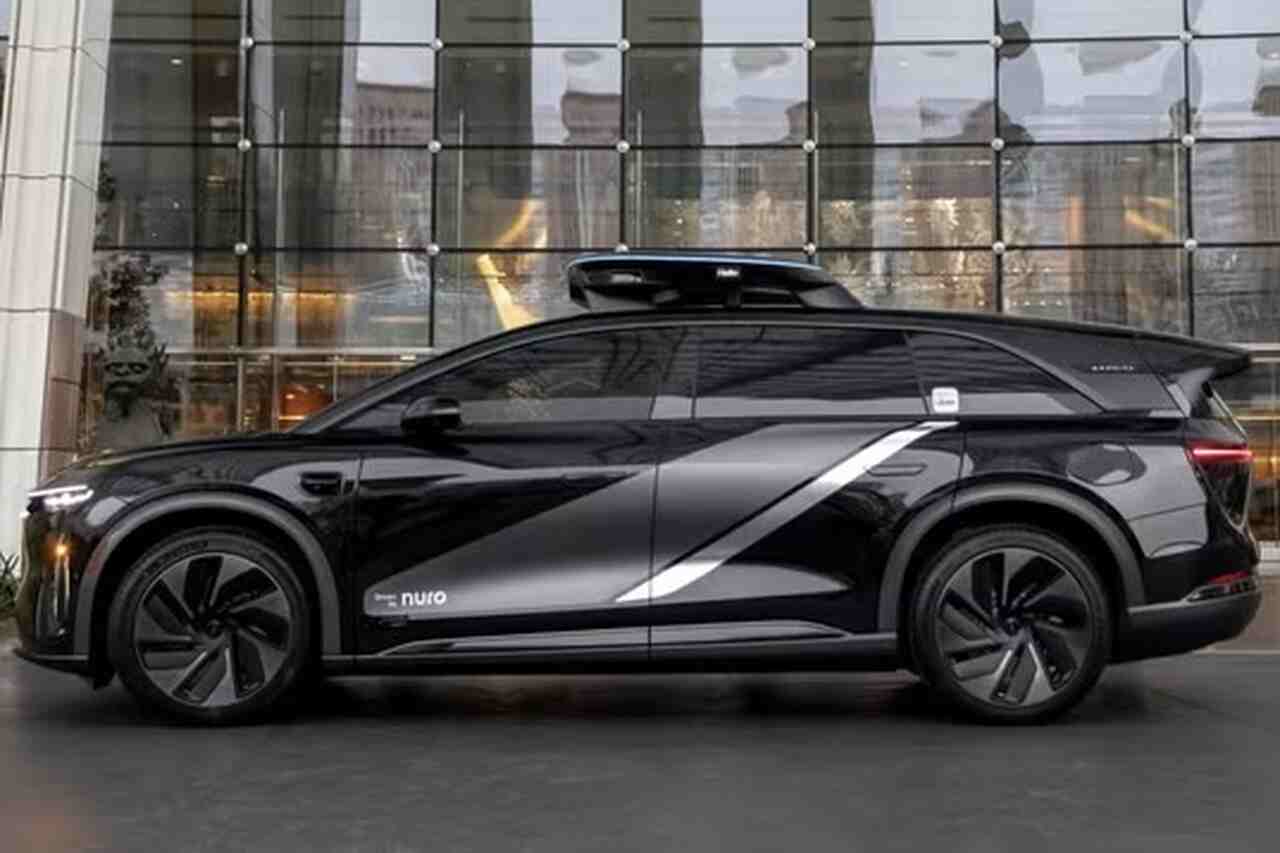
To join the robotaxi trend, Lucid Motors announced a partnership with Uber and Nuro to transform its Gravity SUV into an autonomous taxi.
The announcement was made last Monday (5th) during the 2026 Consumer Electronics Show (CES), according to a report from Car and Driver.
According to the company, the new autonomous Gravity will be used for a global robotaxi service and will feature a new cabin experience designed by Uber.
The updated Gravity looks almost unchanged compared to its original version, but it is now equipped with a sensor array that includes high-resolution cameras, solid-state LiDAR sensors, and radar sensors.
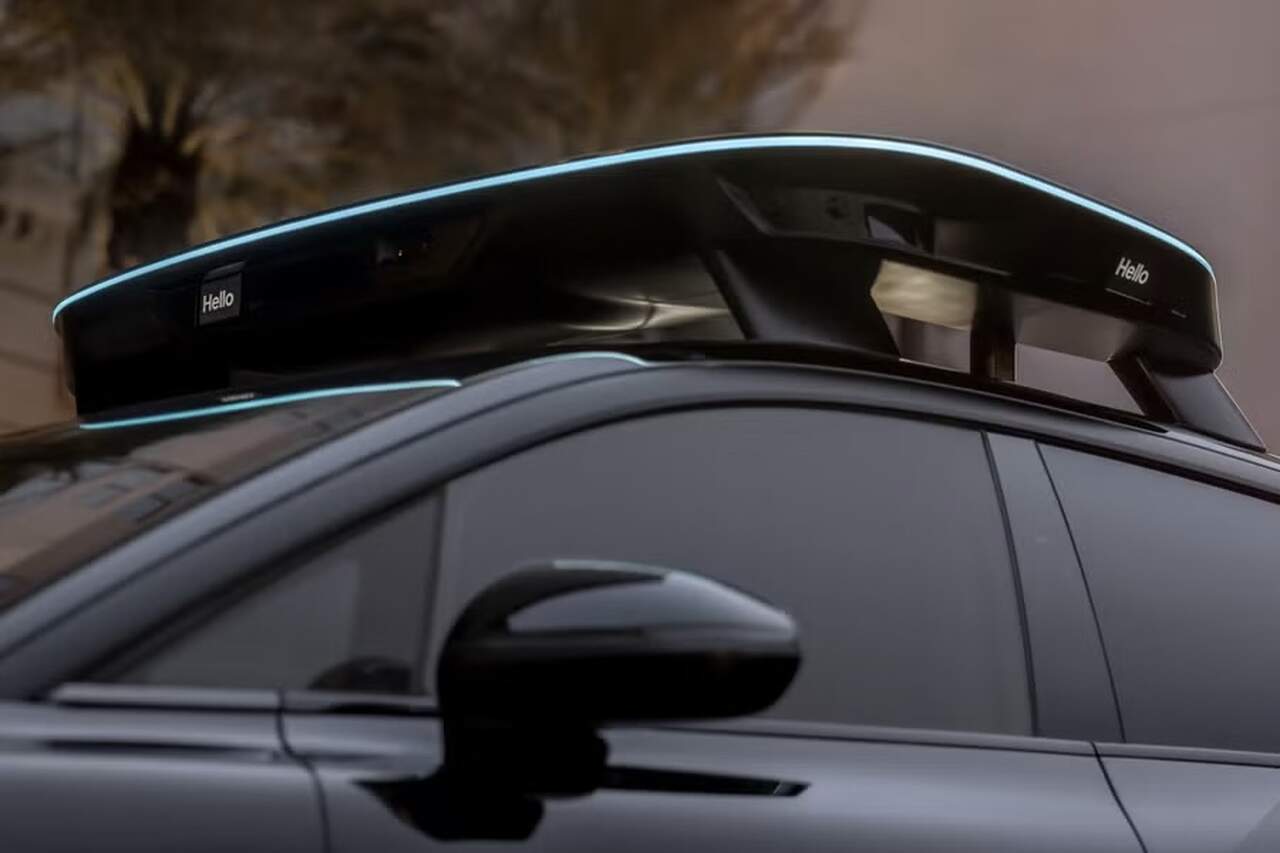
The sensors are distributed across the body and in the roof-mounted “halo,” which also includes integrated LED lights to help customers identify the correct vehicle and provide status updates throughout the ride.
The Gravity uses Nvidia’s Drive AGX Thor computing platform, designed for autonomous vehicles, and a self-driving system developed by Nuro.
Inside, with seating for six passengers, there are interactive screens that allow passengers to adjust things like climate settings and music, as well as contact Uber support to request the vehicle to stop.
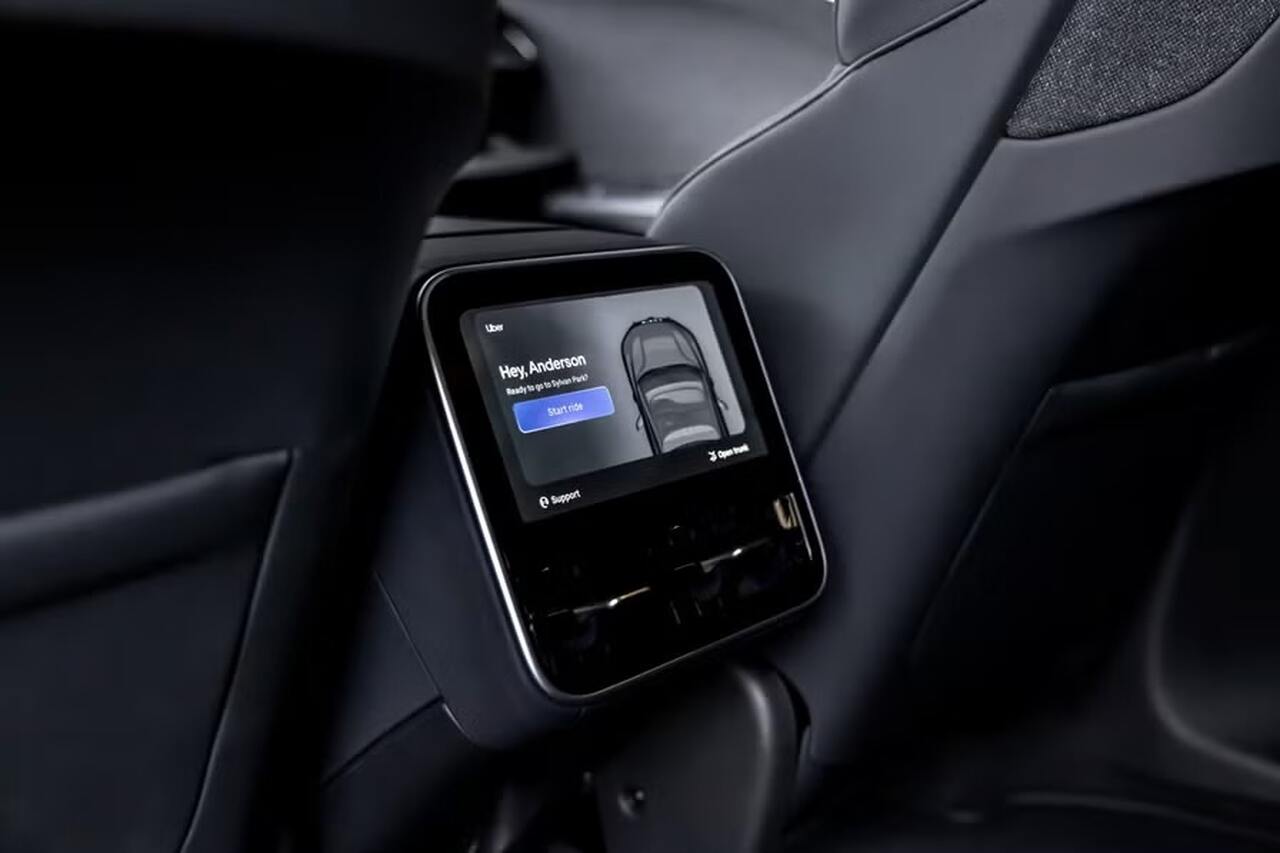
The monitors also provide a view of what the robotaxi is seeing and its planned path, including maneuvers it may perform, such as lane changes and slowing for traffic lights, so passengers are never surprised by the vehicle’s movements.
The companies said autonomous road testing began last month using prototypes supervised by human operators in the San Francisco Bay Area, USA.
Production of the robotaxi is expected to start at the Lucid Motors factory in Arizona later this year. Meanwhile, the robotaxi service, operated by Uber, is expected to launch to the public in San Francisco shortly thereafter.
Photos: Lucid Motors. This content was created with the help of AI and reviewed by the editorial team.
