
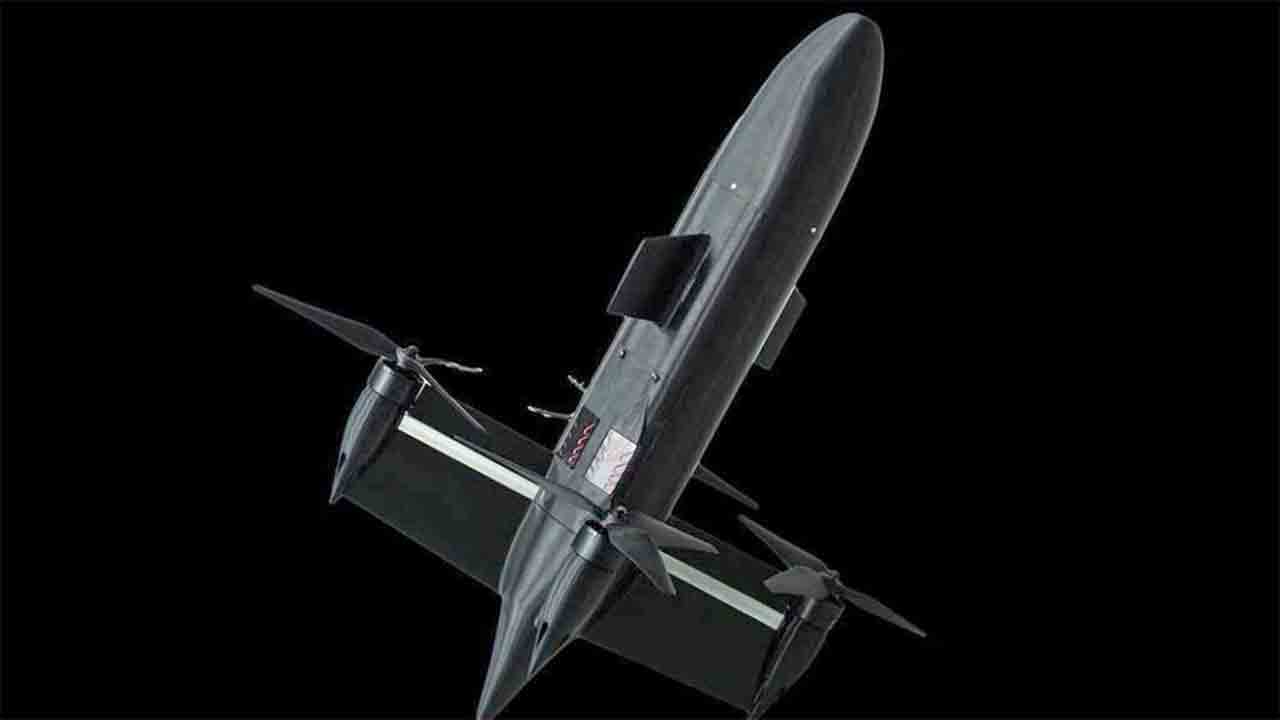
Lithuania, through the company Granta Autonomy, has introduced the Black Wasp, an autonomous interceptor drone designed to neutralize aerial threats such as Shahed-type kamikaze drones.
Unveiled on June 24, 2026, the system is a direct response to the widespread use of these weapons in recent conflicts, particularly in Ukraine, where swarm attacks have strained traditional air defense systems and increased the cost of interception.
Designed to be lightweight and portable, the Black Wasp weighs around 4 kg and can be operated by infantry units without requiring complex infrastructure. It takes off and lands vertically, reaches speeds of up to 320 km/h (199 mph), and has a mission range of up to 40 km (25 miles) with return capability. Its design prioritizes speed and rapid interception, even with limited endurance, allowing it to engage slower but more numerous targets.
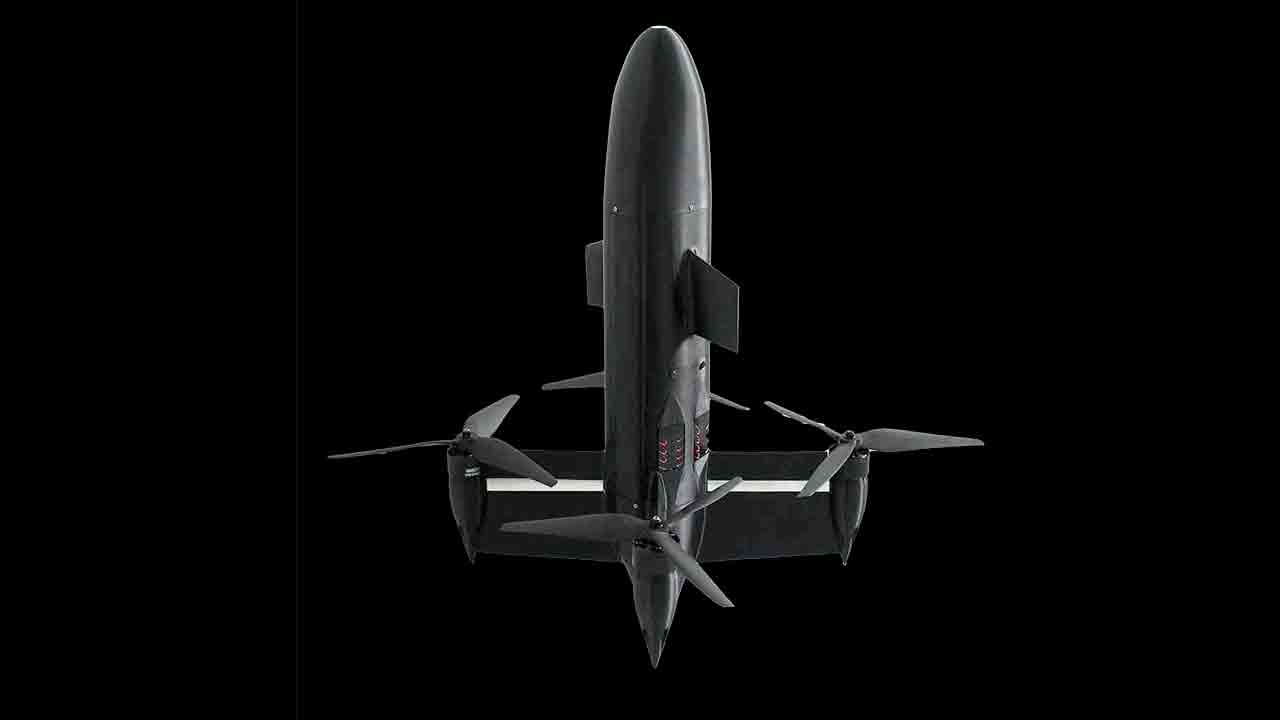
The system’s key advantage lies in its use of artificial intelligence and machine learning for autonomous navigation and target engagement. The drone can track and identify targets using computer vision during the final phase of an attack while continuing to operate under electronic warfare conditions and GPS jamming. It can also integrate data from NATO radar networks, reducing the time between detection and response.
Granta Autonomy says the Black Wasp is part of a broader three-layer combat ecosystem that combines reconnaissance, aerial interception, and ground attack through complementary systems. The company also emphasizes that the project was designed for large-scale production and low operating costs, aiming to change the economics of counter-drone defense by enabling more affordable and accessible interceptions in asymmetric warfare scenarios.
+ Robinson and Skyryse develop uncrewed R66 helicopter for military use
Source: Defence Blog | Photo: Granta Autonomy | This content was created with the assistance of AI and reviewed by the editorial team.
