
Sant’Agata Bolognese, December 1, 2025 – Sixty years ago, Lamborghini made a bold decision: to reveal to the world what usually remains hidden.
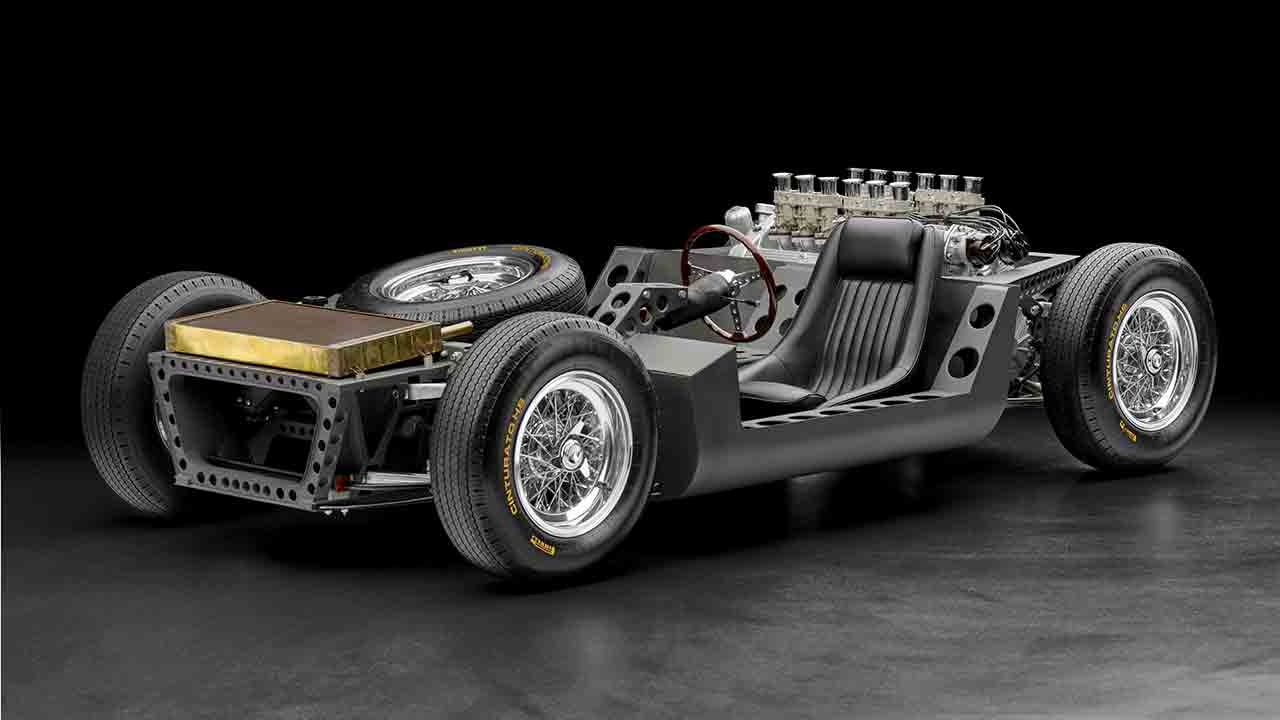
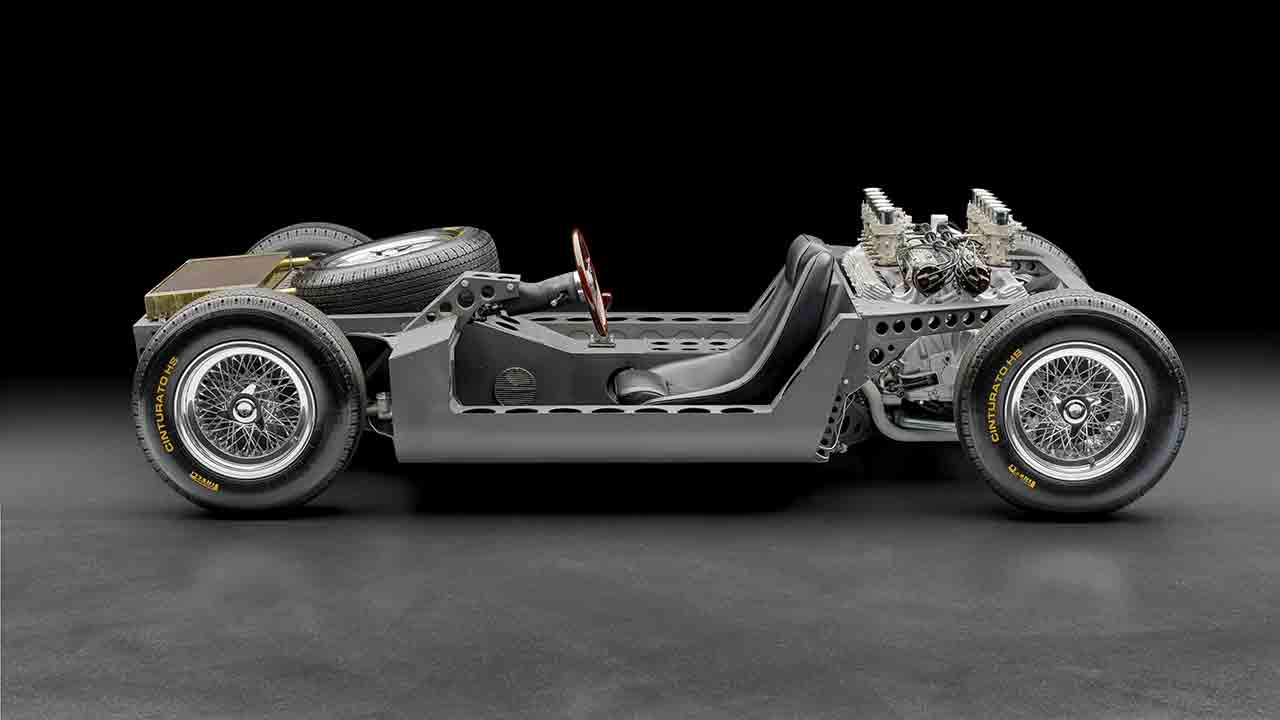
Instead of presenting a finished car, the Italian brand brought to the November 1965 Turin Motor Show a bare chassis, made of folded and perforated sheet metal and fitted with a transversely mounted V12 engine. A raw, technical and radical structure — the foundation of what would become the Miura, considered the world’s first supercar.
+ Polish Army now operates more than 100 Abrams M1A2 SEPv3 after new delivery batch
This disruptive gesture marked the beginning of a new era for Lamborghini and for the entire automotive industry. In 2026, the manufacturer will celebrate six decades since the birth of this icon with a year of festivities and an official Polo Storico tour, revisiting the origins of a concept that did not exist until then: the “supercar.”
A bold idea born from youth
In the summer of 1964, three young talents from Sant’Agata Bolognese — Giampaolo Dallara, Paolo Stanzani and test driver Bob Wallace — began to imagine a completely new architecture for the brand’s cars. Even going against Ferruccio Lamborghini’s vision, who had no intention of entering motorsport, they believed that if Lamborghini would not go to the racetracks, then the racetracks should come to its cars.
From this spirit was born Project L105: a lightweight, compact chassis ready to receive a gran turismo body with revolutionary design. Ferruccio initially hesitated, but eventually trusted the trio. This resulted in the P400 chassis and engine — a manifesto of creative freedom and technical pioneering.
The chassis that became the star of Turin
Presented on November 3, 1965, alongside the 350 GT and 350 GTS models, the matte-black-painted chassis with four white exhausts quickly became the center of attention. Newspapers and experts described it as a “skeleton ready to race,” highlighting its configuration never before seen in a road car.

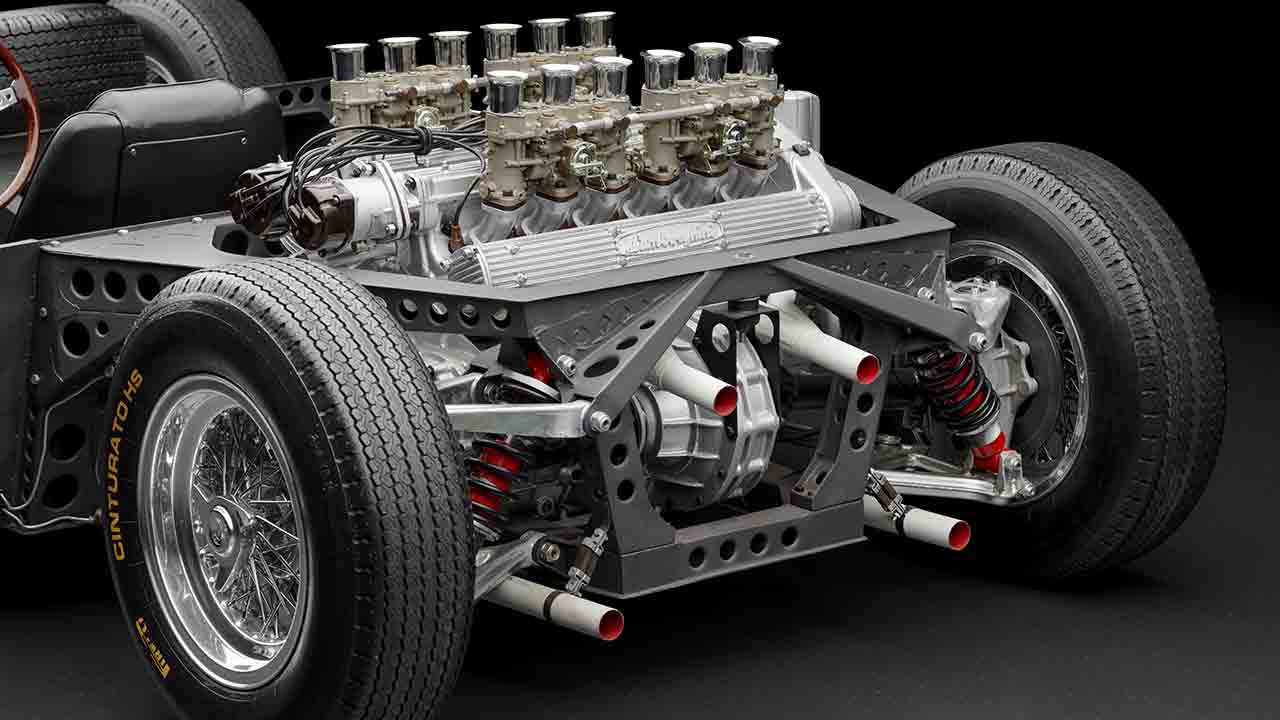
Built by Marchesi of Modena, the chassis used steel sheets only 0.8 mm thick, folded and perforated to reduce weight and increase rigidity. The central tub served as the structural base, while the front and rear subframes supported the engine, suspension and mechanical components — all weighing just 120 kg.
The most revolutionary solution, however, lay in the mechanical assembly: the V12 engine and gearbox integrated into a single transverse block positioned behind the cabin, creating a new architecture that would influence future generations of supercars. The twelve vertical Weber carburetor trumpets completed the mechanical and visual impact.
The search for the perfect body
Several Italian coachbuilders visited the stand. Touring evaluated the project but withdrew due to financial difficulties. Pininfarina was unable to commit — leaving an opportunity for Nuccio Bertone.
According to legend, Ferruccio teased him upon arrival: “You’re the last of the masters to show up.” Bertone looked at the chassis and replied: “We will make the perfect shoe for this wonderful foot.” Even if unconfirmed, the phrase reflects the immediate connection between the two.
During the Christmas break, with the factory closed, the first sketches of the bodywork were presented — lines so innovative that they were approved immediately.
From chassis to myth: the birth of the Miura
In March 1966, at the Geneva Motor Show, the P400 chassis unveiled in Turin took its final shape: the Miura. Elegant, aggressive and technologically unique, the model transformed the automotive world and gave rise to the term “supercar,” coined by a British journalist specifically to describe it.
In 2026, Lamborghini will dedicate an entire year to its legacy, celebrating the car that redefined style, performance and emotion — an icon whose influence still echoes six decades later.
Source and images: Lamborghini. This content was created with the help of AI and reviewed by the editorial team.
