
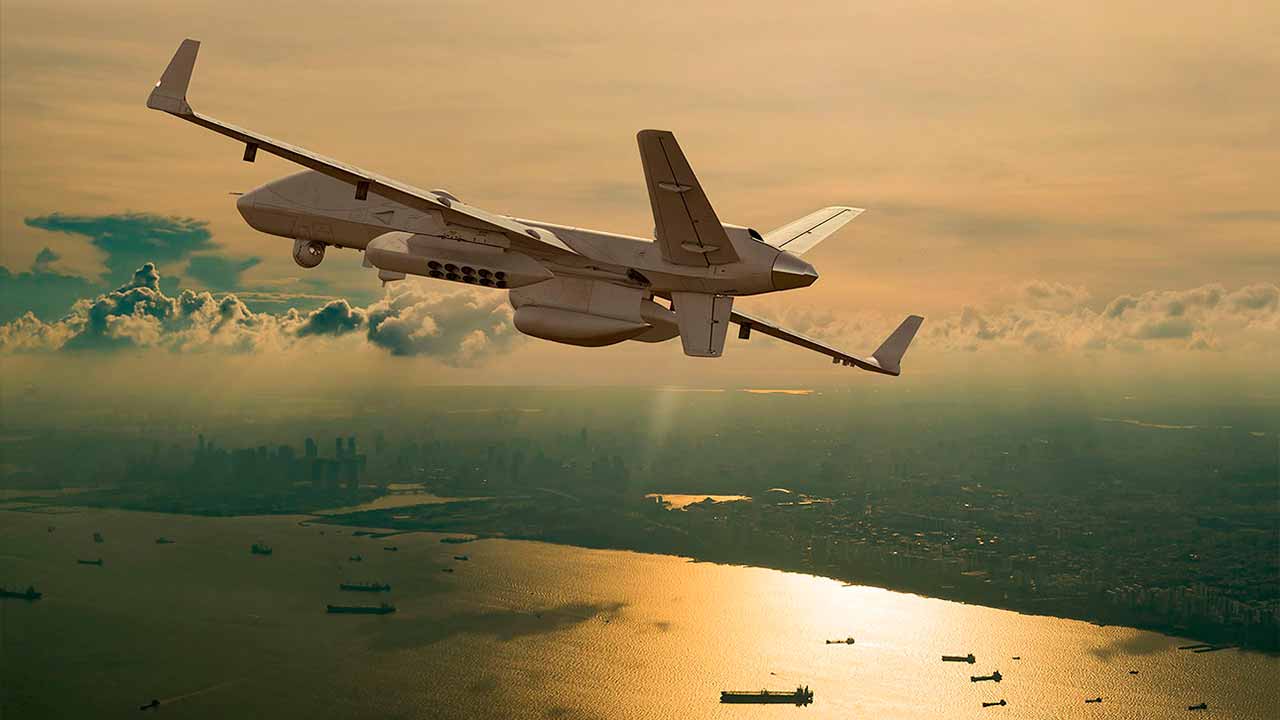
Japan’s Ministry of Defense is considering expanding the use of drones to address the growing presence of Chinese unmanned aerial vehicles (UAVs) in the region, partially replacing fighter jet takeoffs.
According to official sources, the plan involves using MQ-9B SeaGuardian drones manufactured in the United States.
The Japan News reports that the Maritime Self-Defense Force (MSDF) intends to incorporate the SeaGuardians into its inventory in fiscal year 2027, while the Air Self-Defense Force (ASDF) will conduct operational testing for three years starting next fiscal year to evaluate the systems’ tracking and surveillance capabilities. The project received 1.1 billion yen in next year’s budget request.
Increasing Presence of Chinese UAVs
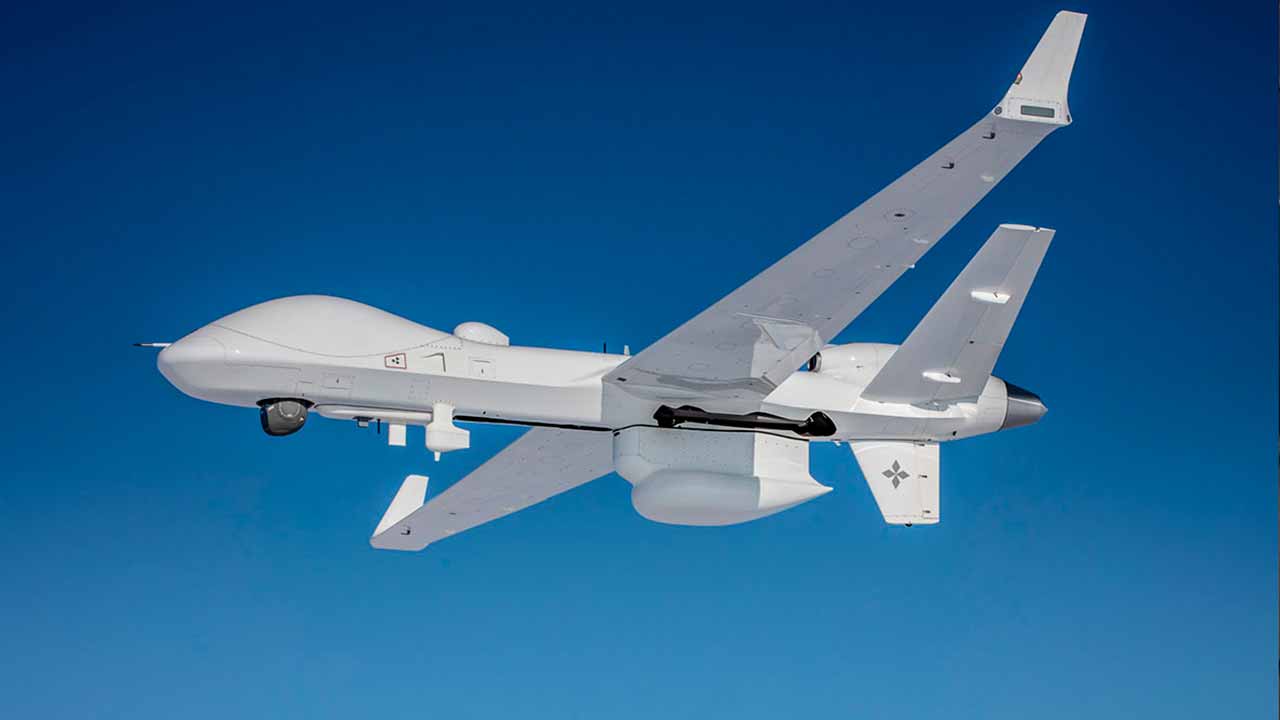
The decision comes amid a significant increase in Chinese drone activity near the Japanese archipelago. In 2024, 30 UAVs were detected in the Nansei Islands region, more than triple the nine incidents recorded in 2023. By August 2025, an additional 16 UAVs had already been observed.
Typically, Japan responds by dispatching two fighter jets whenever there is a risk of unauthorized air incursions. However, these flights are considered highly costly due to high fuel consumption and personnel mobilization requirements. Defense authorities believe China may be conducting a “war of attrition,” using low-cost drones to continuously pressure Japan and Taiwan.
Capabilities and Limitations of the SeaGuardian
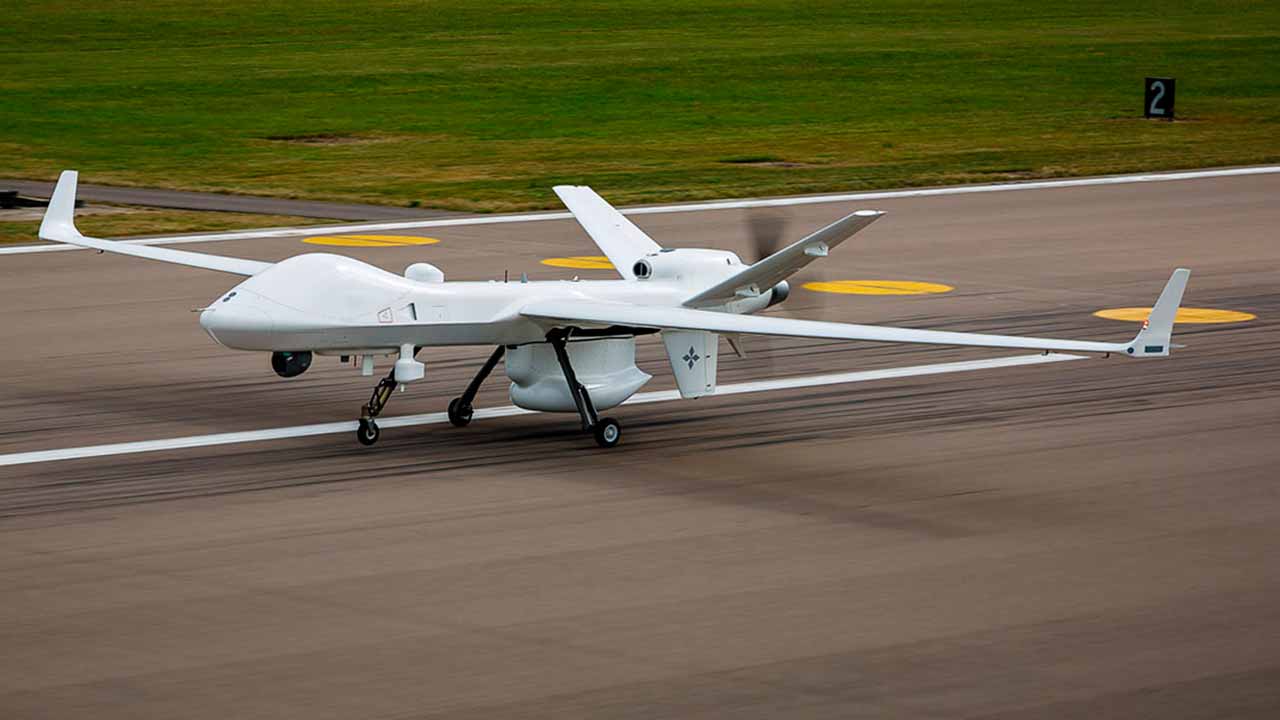
The MQ-9B SeaGuardian features a wide range of optical, infrared, and radar sensors, enabling effective surveillance at night and in adverse weather conditions. Thanks to this technology, some interception missions are expected to be replaced by UAVs, reducing the need for frequent fighter jet takeoffs.
However, SeaGuardians lack direct engagement capabilities, such as missile launches or warning actions against airspace violations. Therefore, the Ministry of Defense initially plans to focus on determining the extent to which drones can replace fighters and how they will respond to real incidents.
The measure reflects Tokyo’s pursuit of more cost-effective solutions adapted to the new reality of the aerial battlefield, marked by intensive drone use in military operations.
Source and images: Maritime Self-Defense Force (MSDF) | General Atomics. This content was created with the assistance of AI and reviewed by the editorial team.
