
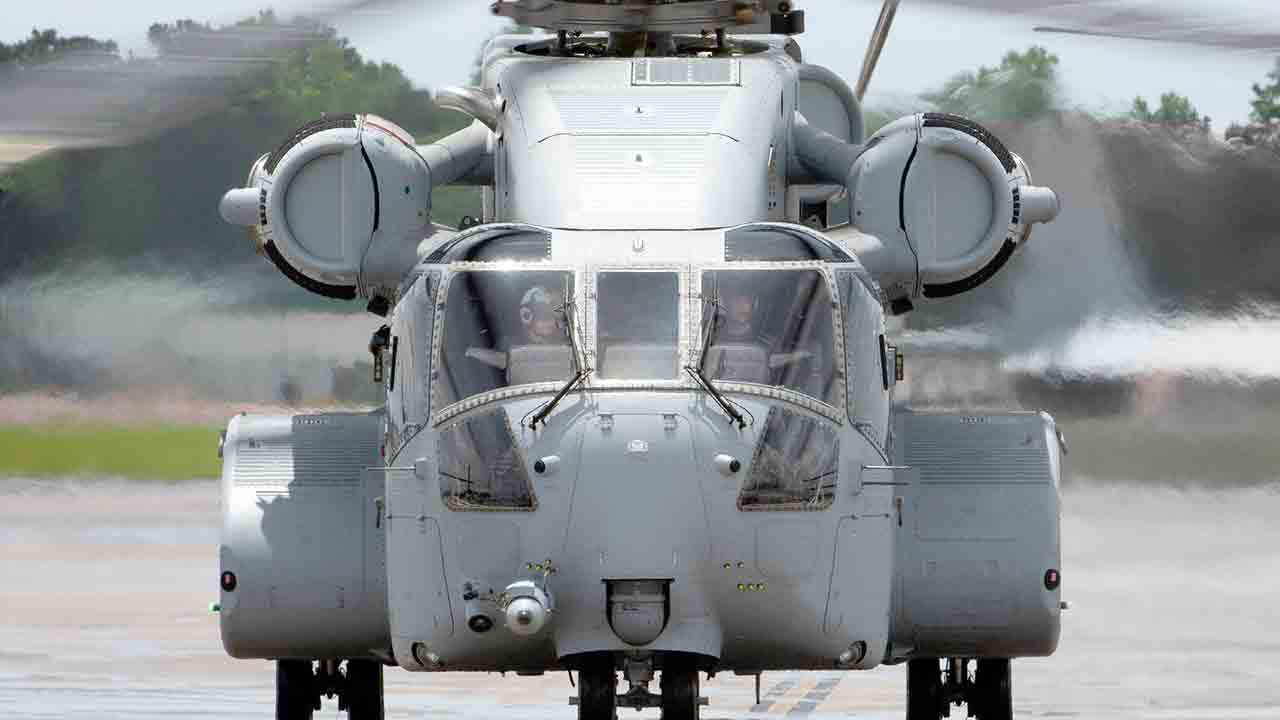
The United States Naval Air Systems Command has awarded GE Aerospace a contract modification worth US$46.5 million to supply nine T408-GE-400 engines for full-rate production Lot 10 of the CH-53K helicopter.
According to the website Defence Blog, the contract is intended to support full-rate production of the CH-53K King Stallion, the Marine Corps’ newest and most powerful heavy-lift helicopter. The award was directed to the GE Aerospace facility in Lynn, Massachusetts, United States.
The contract modification covers a quantity variation, meaning these nine engines expand an existing production lot rather than opening a new contract. The work is expected to be completed by September 2032.
Each CH-53K King Stallion carries three T408-GE-400 engines. Together, they produce about 60% more power than the three engines of the CH-53E Super Stallion, which the King Stallion is replacing.
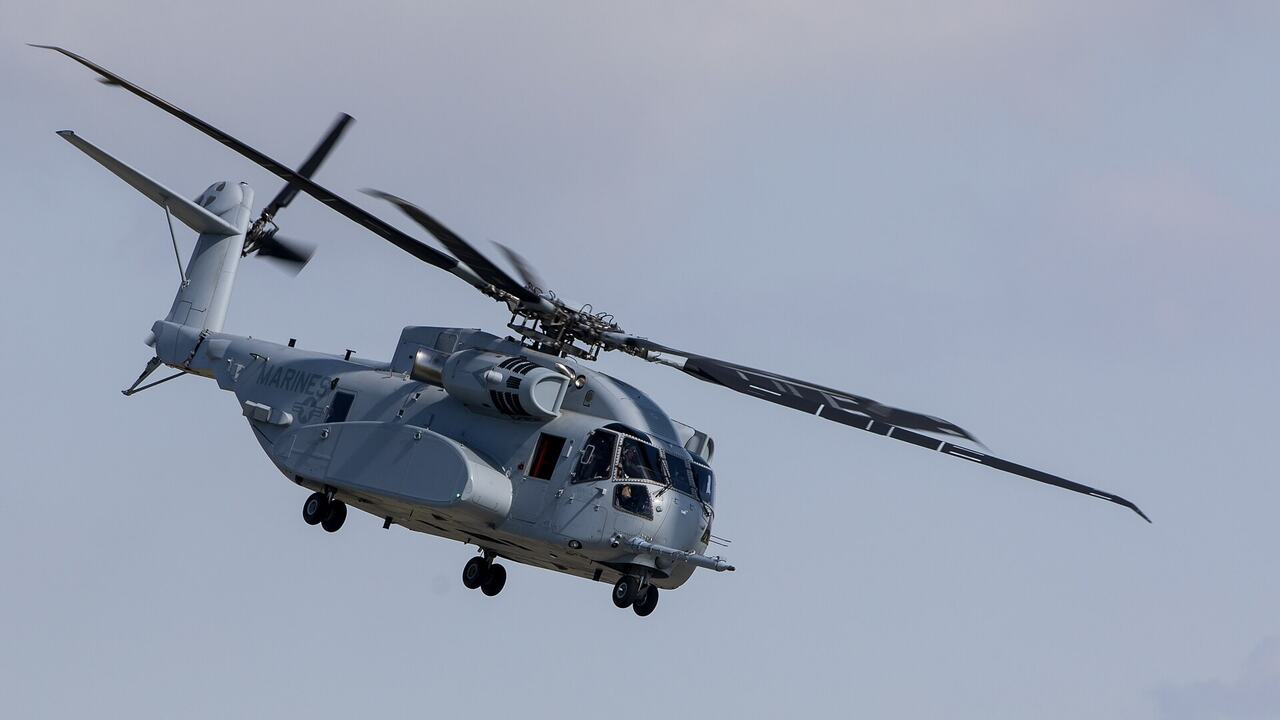
With all that additional power, the King Stallion gains the ability to carry more than 12,000 kg of external cargo, three times what the CH-53E could manage under the same high-altitude and hot-weather conditions, which degrade helicopter performance more severely.
In expeditionary scenarios without roads or runways, the US Marine Corps depends on every additional kilogram of lift capacity. That lift margin is not a mere detail, but the dividing line between what continues on the mission and what must be left behind.
With production at full rate, the US Marine Corps can advance the integration of the King Stallion and replace the CH-53E. For this reason, the Lot 10 engine orders directly contribute to achieving the planned operational density.
Source and images: GE Aerospace | Creative Commons. This content was created with the help of AI and reviewed by the editorial team.
