
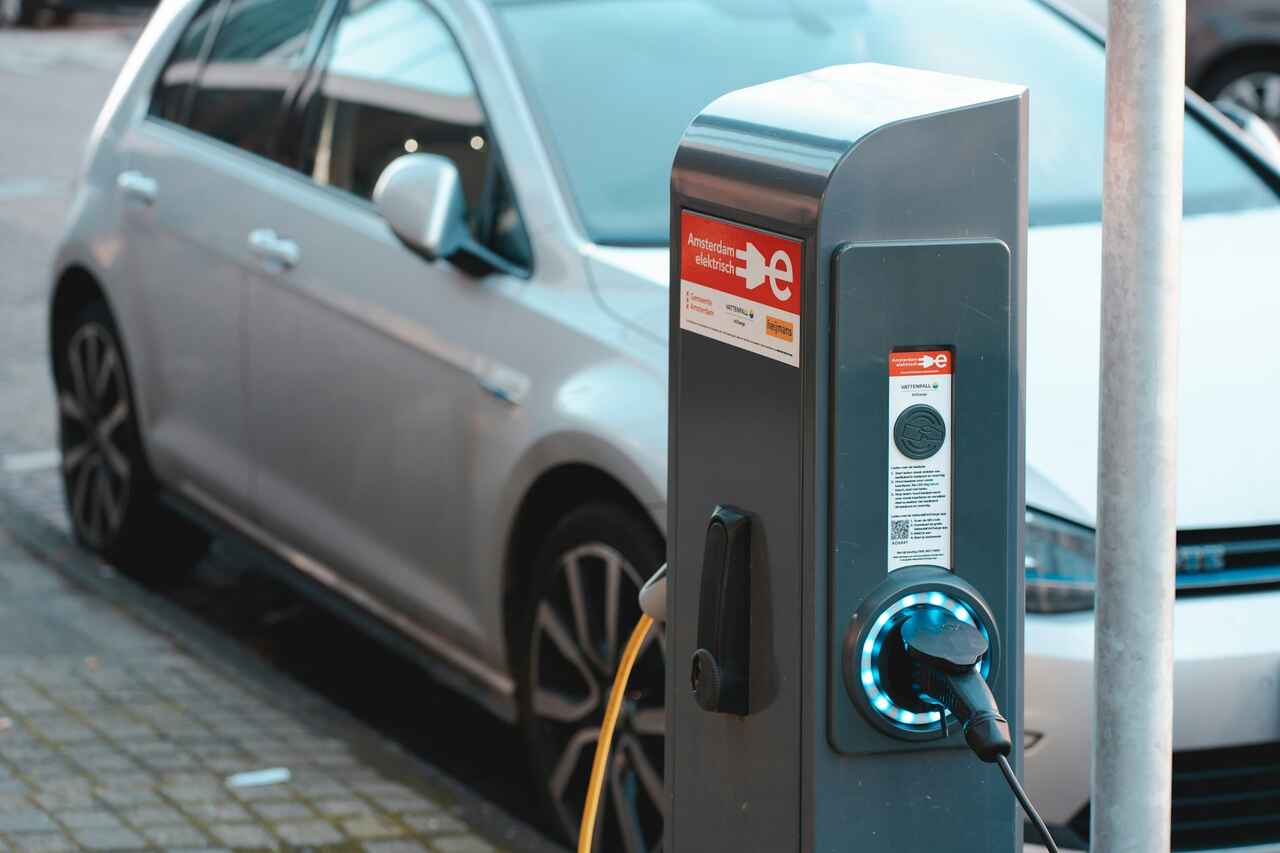
Norway is on track to become the first country in the world to sell only fully electric cars.
The milestone, expected for 2025, has already been virtually achieved. While in 2024 around 89% of the cars sold in the country were electric, that number has risen to 95% this year.
This achievement was only possible thanks to a series of government incentives, including tax exemptions, free tolls, and exclusive lanes — not to mention increased taxes on combustion vehicles.
However, the Norwegian government is now signaling a new phase in its strategy, proposing changes to its incentive program that include introducing taxes on electric vehicles.
Currently, electric cars costing up to 500,000 Norwegian kroner (approximately USD 49,000) are exempt from VAT. However, the latest budget proposal aims to reduce this exemption to cars costing up to 300,000 kroner (about USD 30,000).
This change would take effect starting in 2026, while the tax exemption would end completely in 2027. The proposal still needs to be adopted by the Norwegian government but has already sparked criticism.
According to Electrek, electric vehicle associations are advocating for a longer phase-out period for tax exemptions in order to ensure that adoption rates do not decline too quickly.
On the other hand, the government plans to increase taxes on new gasoline and diesel cars, further widening the cost gap between polluting vehicles and zero-emission vehicles.
Photo: Unsplash. This content was created with the help of AI and reviewed by the editorial team.
