
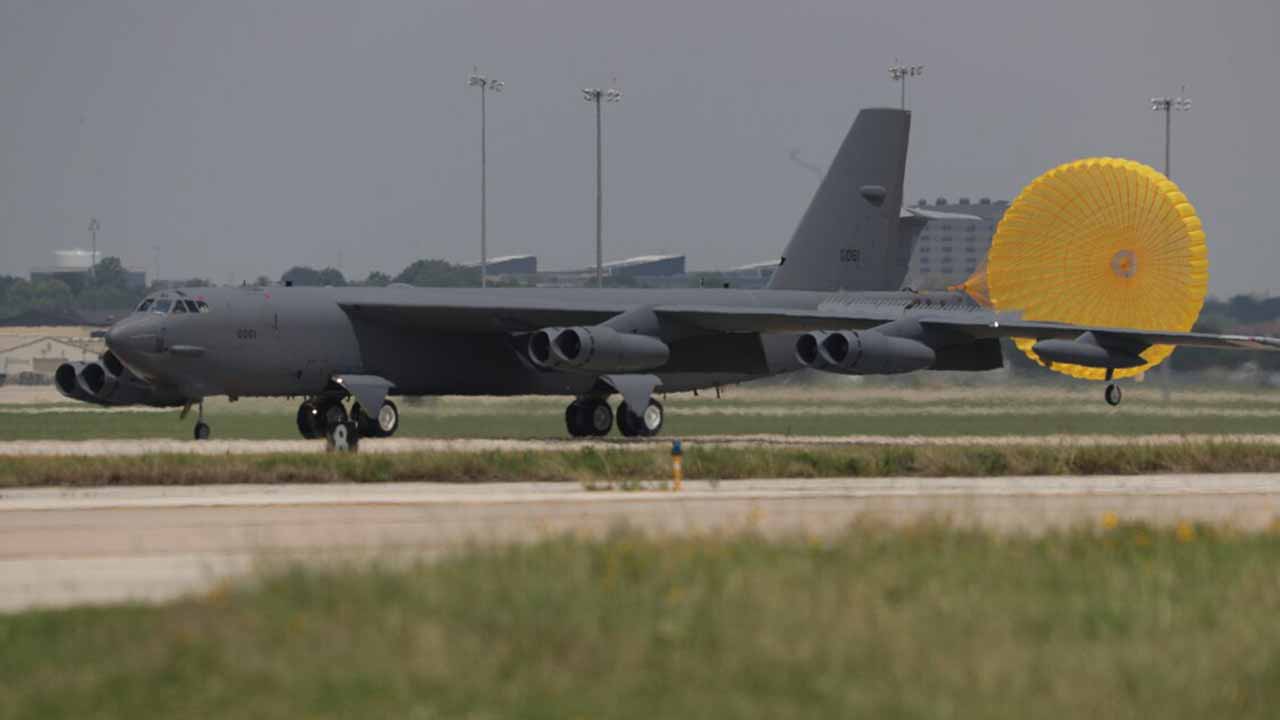
Edwards Air Force Base in California has released the names of the eight team members killed after a B-52 Stratofortress bomber crashed shortly after takeoff during a routine test mission on Monday.
According to the 412th Test Wing, the names were made public after the 24-hour period following notification of family members, in accordance with the policy cited in the official statement. The accident is being investigated by an Interim Safety Investigation Board, and Edwards airfield remains closed until further notice.
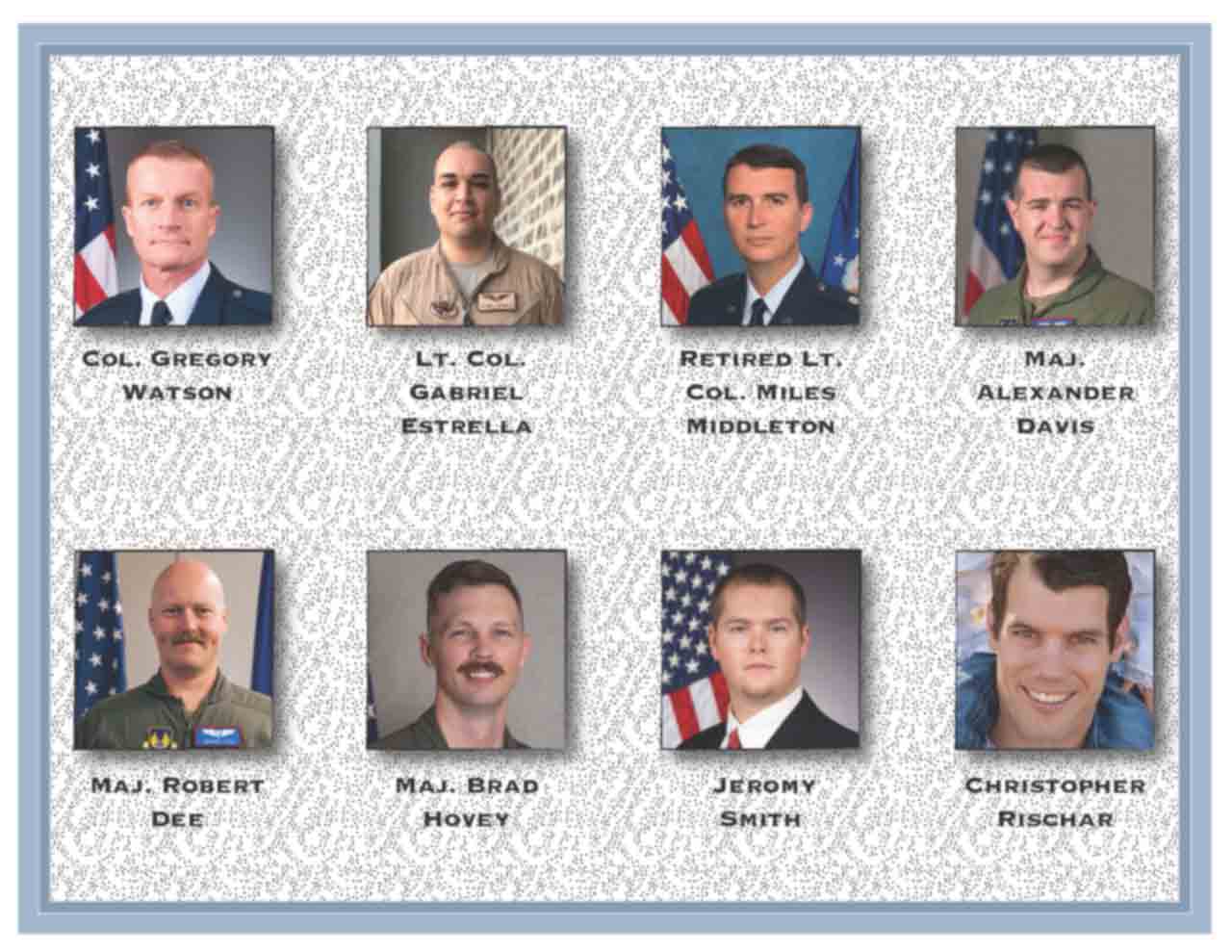
The victims were identified as Col. Gregory Watson, 53, a Boeing weapons systems officer and Air Force reservist; Lt. Col. Gabriel Estrella, 40, a weapons systems officer with the Air Force Operational Test and Evaluation Center; retired Lt. Col. Miles Middleton, 50, a Boeing pilot; Maj. Alexander Davis, 34, a weapons systems officer with the 419th Flight Test Squadron; Maj. Robert Dee, 40, a pilot with the 419th Flight Test Squadron; Maj. Brad Hovey, 35, a pilot with the 419th Flight Test Squadron; Jeromy Smith, 32, a flight test engineer; and Christopher Rischar, 41, a flight test engineer and JT4 contractor.
The commander of the 412th Test Wing, Col. Thomas Tauer, described those killed as dedicated professionals and irreplaceable members of the Edwards community. According to him, the base’s immediate priority is to provide support to the families, military colleagues, Air Force civilians and mission partners affected by the tragedy.
Edwards Air Force Base is one of the most important flight-test centers in U.S. military aviation. The 412th Test Wing is responsible for planning, executing, analyzing and reporting flight and ground tests involving aircraft, weapons systems, software and components of the United States Air Force.

The B-52 Stratofortress, meanwhile, is one of the best-known strategic bombers in the world. Although it is a platform originally developed during the Cold War, the model remains in operation as a long-range aircraft capable of carrying out missions with guided conventional weapons and also within the U.S. strategic deterrence architecture.
In addition to pilots and weapons systems officers, the flight involved test engineers and professionals linked to industry and contractors, something common in evaluation and development missions, but which highlights the technical complexity of this type of operation.
At bases such as Edwards, flights of this kind may involve technical evaluations, data collection, systems validation and the joint participation of military personnel, civilians and representatives of the aerospace industry. The causes of the crash have not yet been disclosed.
+ Snap launches Specs, its first augmented reality glasses for the general public
+ What unites and differentiates battery-electric and fuel-cell trucks
Source and images: Edwards Air Force Base / U.S. Air Force. This content was created with the help of AI and reviewed by the editorial team.
