
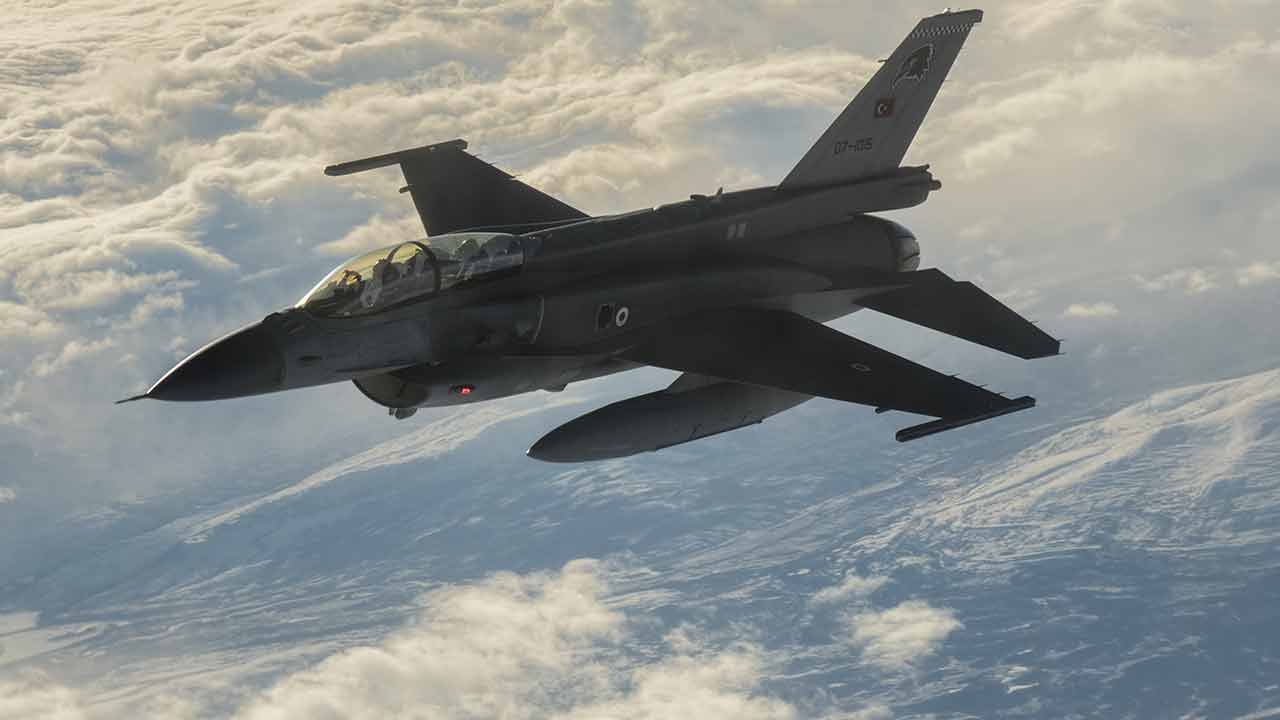
A detachment of 76 military personnel will remain on alert between August and November to monitor the airspace of Estonia, Latvia, and Lithuania
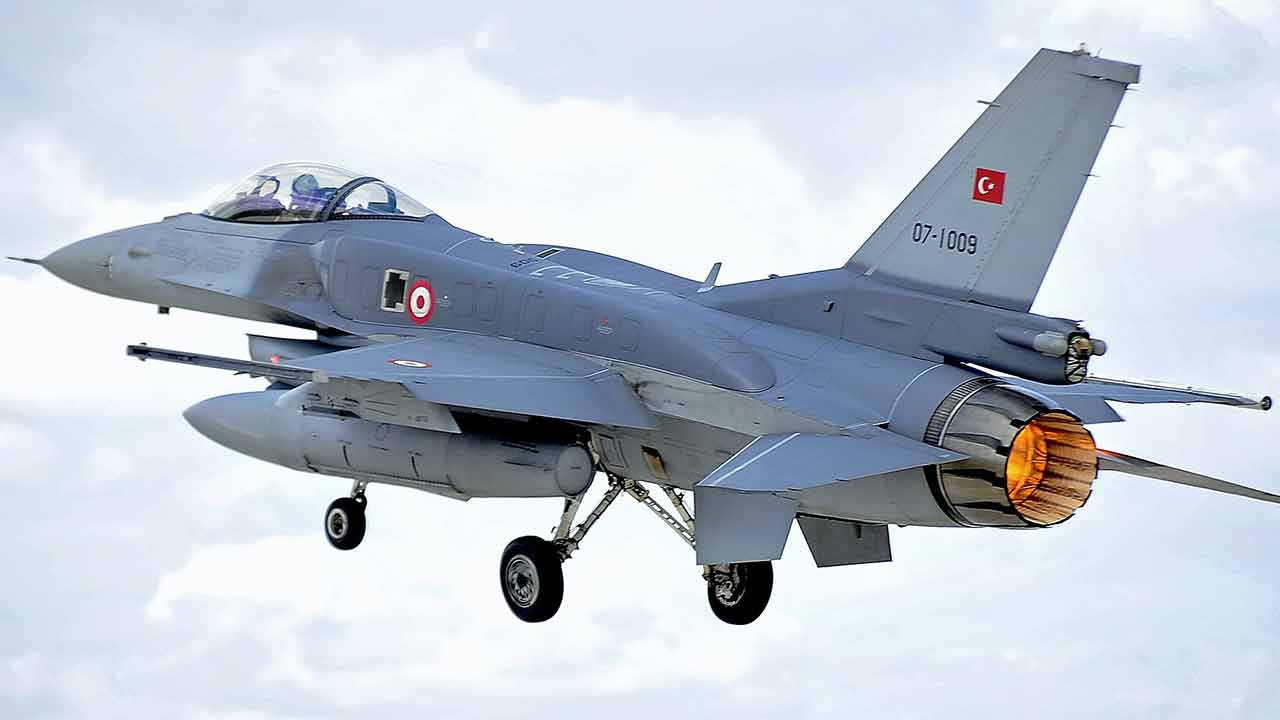
The Turkish Air Force will deploy five F-16 fighter jets and 76 military personnel to Ämari Air Base in Estonia as part of NATO’s Baltic Air Policing mission.
The detachment is expected to remain in the country from August to November 2026, carrying out Quick Reaction Alert duties, commonly known by the acronym QRA. Under this arrangement, aircraft, pilots, and support teams remain available 24 hours a day to take off within minutes whenever unidentified air traffic is detected near allied airspace.
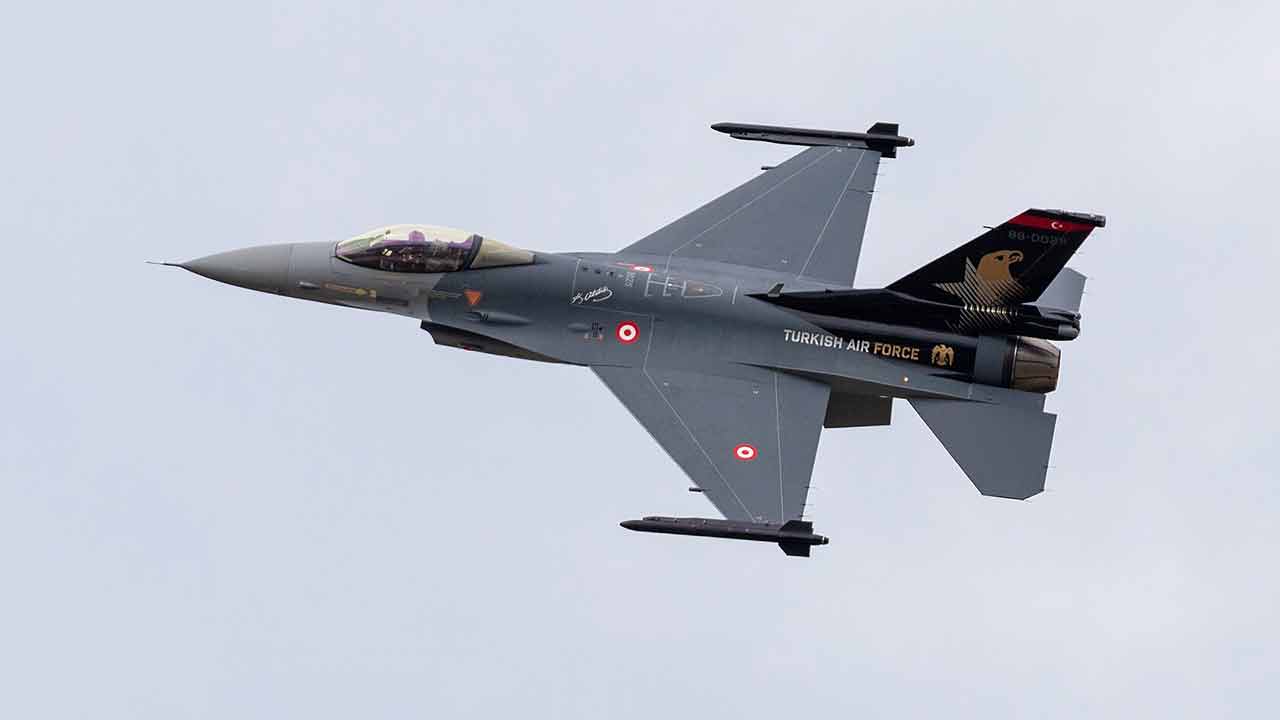
The personnel belong to the 181st Jet Squadron, a unit based at the 8th Main Jet Base Command in Diyarbakır, southeastern Turkey. Known as the Panther Squadron — or “Pars” in Turkish — the unit operates both single-seat and two-seat versions of the F-16 and has experience in air-defence missions and multirole operations.
During their deployment at Ämari, the Turkish F-16s may be scrambled to identify aircraft flying without a flight plan, without communicating with air traffic controllers, or with their transponders switched off. The missions may also involve visual identification, escort duties, and participation in joint training exercises with forces from other allied countries.
Baltic Air Policing is a defensive operation conducted during peacetime. The initiative exists because Estonia, Latvia, and Lithuania do not maintain enough fighter aircraft of their own to perform this task permanently. Other NATO members therefore rotate through deployments that are usually organised in cycles lasting approximately four months.
The mission was created in 2004, when the three Baltic countries joined NATO. Operations were initially concentrated at Šiauliai Air Base in Lithuania. From 2014, Ämari also began receiving regular detachments, expanding air coverage across the northern part of the region.
The Turkish contingent will replace the Portuguese Air Force, which stationed four F-16Ms and up to 95 military personnel in Estonia between April 1 and July 31, 2026. During that rotation, the Portuguese aircraft carried out combined training exercises and launched to identify Russian aircraft operating in the Baltic Sea region.
Although fighter jets receive the most attention, an operation of this type depends on a broad support structure. Maintenance technicians, air traffic controllers, mission planners, communications specialists, and support teams must keep the aircraft continuously available, including at night and in adverse weather conditions.
Turkey has previously participated in air-policing activities in northern and eastern Europe. In 2021, for example, four Turkish F-16s were deployed to Malbork Air Base in Poland to support NATO’s enhanced measures in the Baltic region. The new rotation in Estonia once again expands Turkey’s presence on the alliance’s northern flank.
+ Volkswagen confirms pricing and details of the new ID. Polo electric hatchback
Source and images: Hürriyet Daily News, Anadolu Agency, AIRCOM – Allied Air Command | Wikimedia. This content was created with the help of AI and reviewed by the editorial team.
