
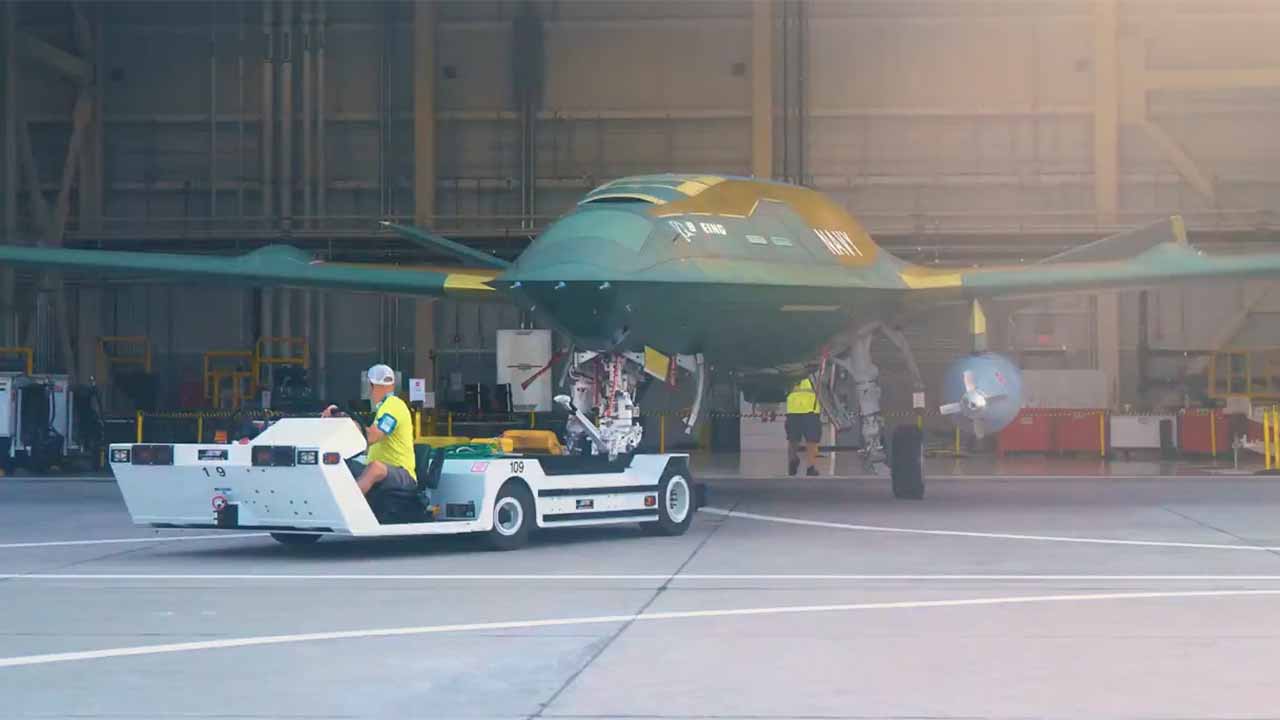
Boeing announced that the MQ-25A Stingray, the United States Navy’s aerial refueling drone, successfully completed its second test flight, marking another step forward in the aircraft’s development ahead of future carrier operations.
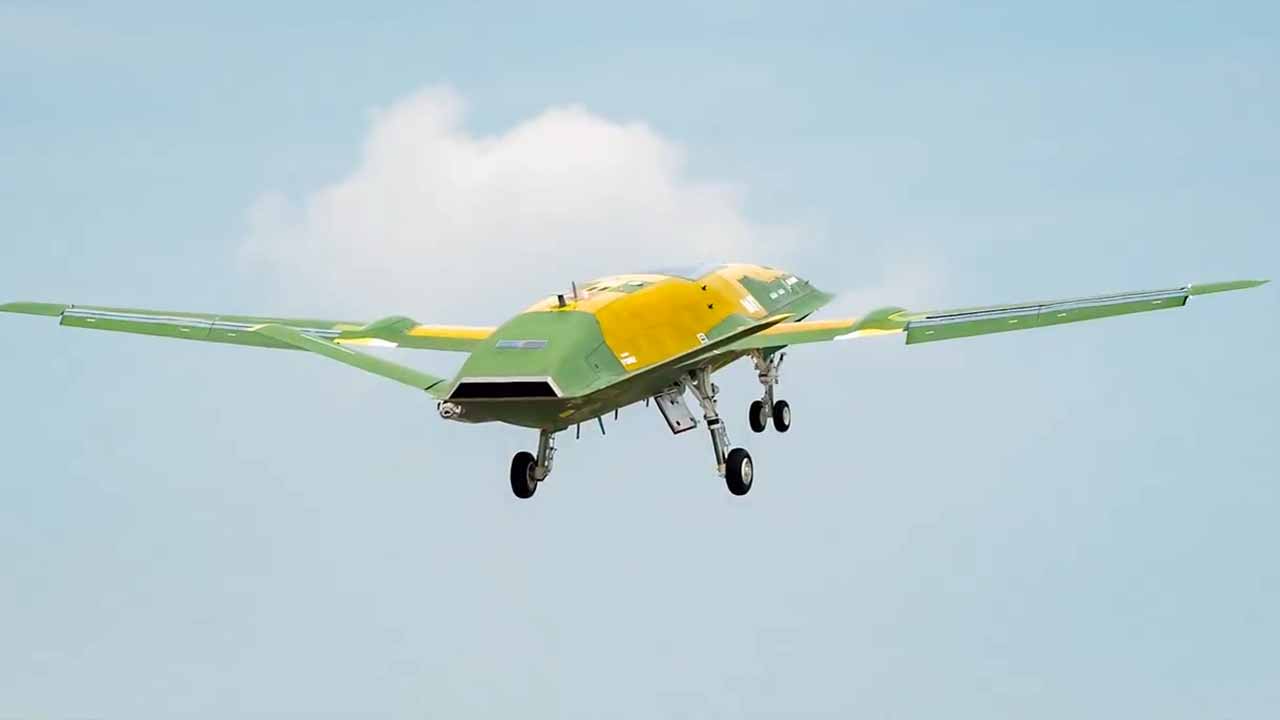
The mission took place just over two months after the maiden flight and included, for the first time, complete tests of the landing gear system, as well as the use of a new version of the onboard software.
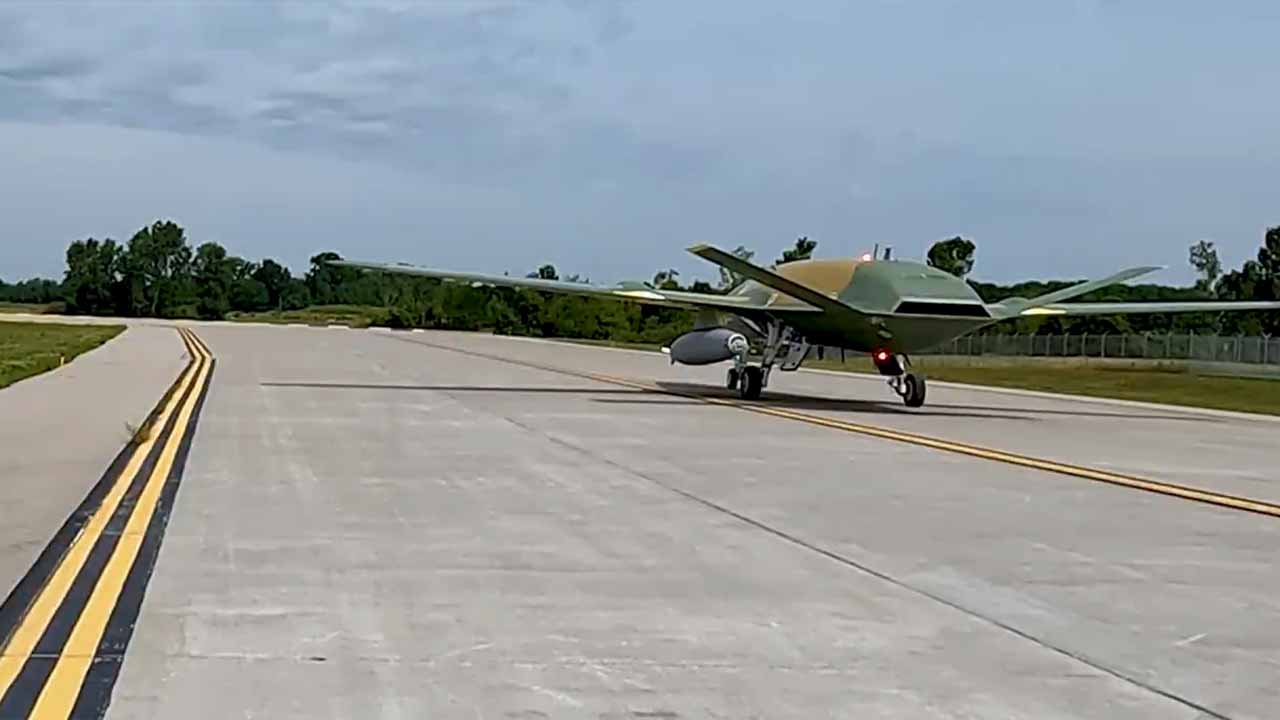
During the flight, the MQ-25A autonomously carried out tasks such as taxiing, takeoff, navigation and flight-system management, while operators monitored the entire operation from the ground control station. The drone also retained the Cobham ARS system, which provides aerial refueling through the hose-and-drogue method, a technology already used by the US Navy’s F/A-18 fighter jets.
+ Azerbaijan confirms entry into service of JF-17C Block III fighter jets
According to Boeing, much of the Stingray’s development focused on creating and validating its advanced autonomy software, which contains around 600,000 lines of code. Before flight testing, the system underwent hundreds of thousands of hours of laboratory and ground evaluations, during which various emergency situations were simulated, including engine failures, loss of GPS and communications outages, ensuring that the aircraft could respond automatically to these scenarios.
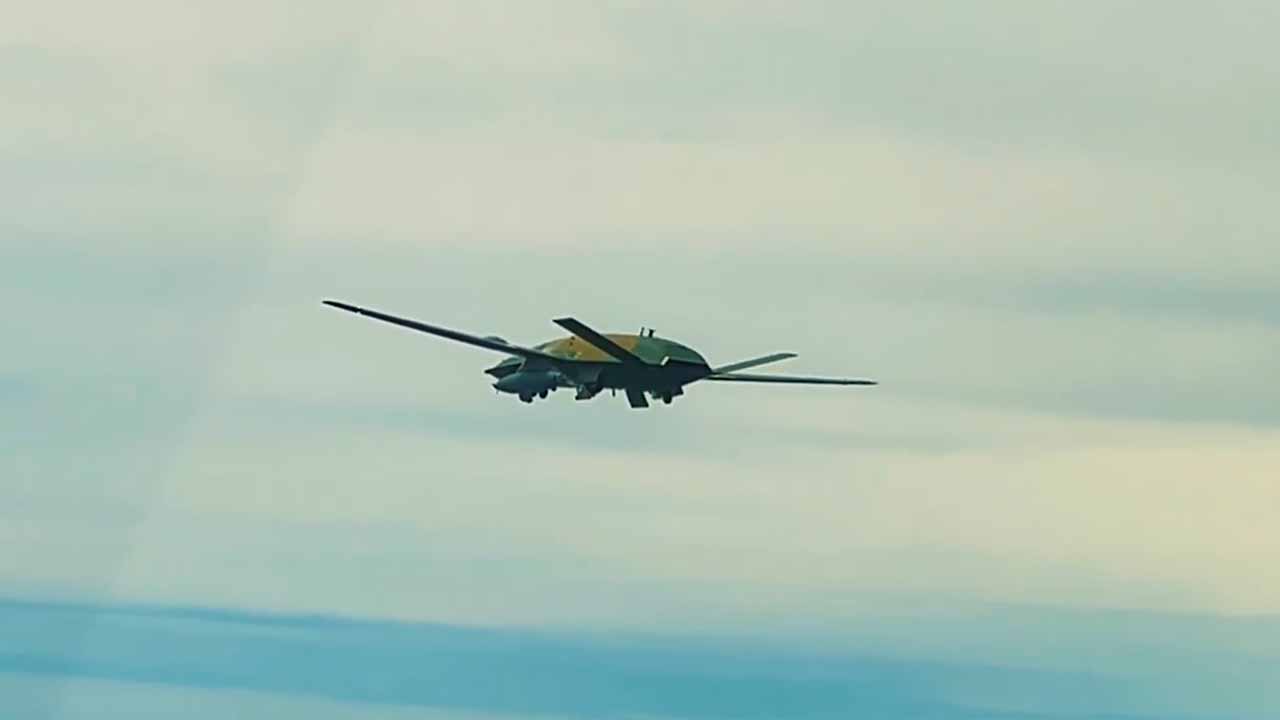
With approval to begin the Low-Rate Initial Production phase (LRIP), the program is moving into new stages of development. Future tests are expected to expand the MQ-25A’s flight envelope and validate its integration with carrier aviation operations, preparing the Stingray to become the United States Navy’s first carrier-based aerial refueling drone.
The first @USNavy MQ-25A Stingray™ completed its second test flight, featuring the aircraft’s first airborne landing gear cycles. The milestone further validates the autonomous flight controls and performance capabilities, moving it closer to carrier operations. pic.twitter.com/UmqXk6Wufl
— Boeing Defense (@BoeingDefense) July 10, 2026
Source and images: Boeing Defense — X @BoeingDefense. This content was created with the assistance of AI and reviewed by the editorial team.
