
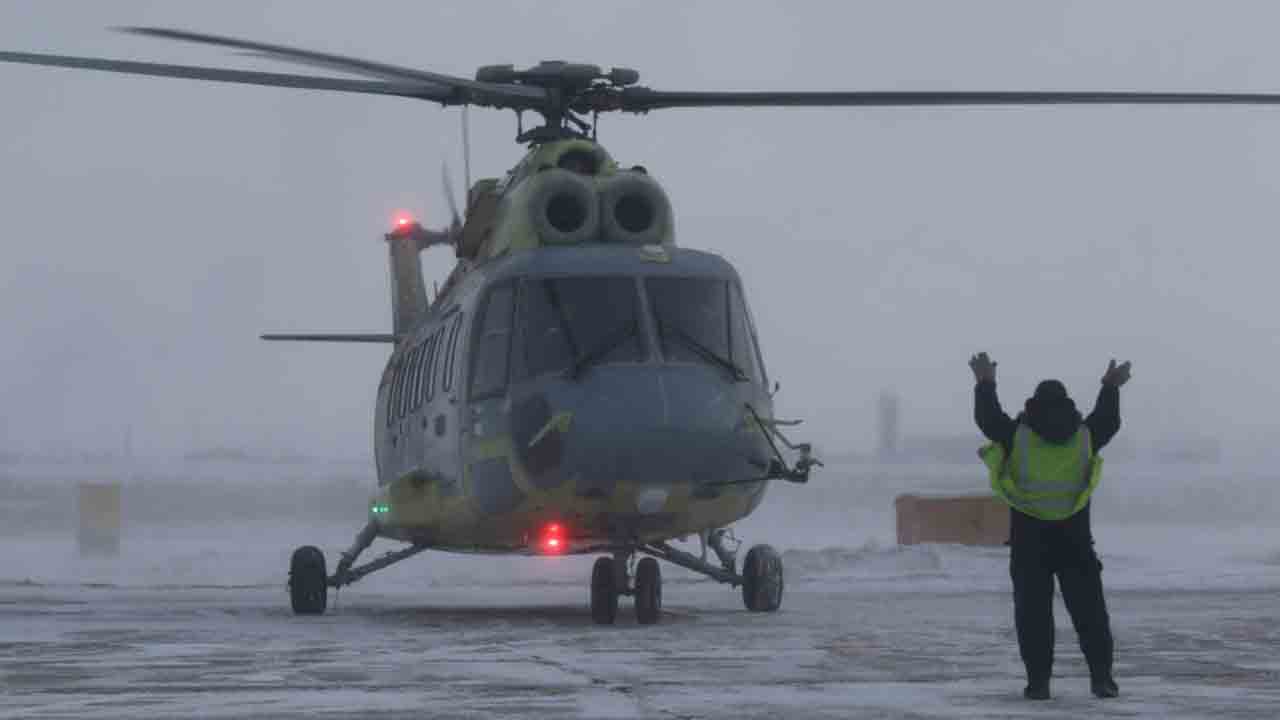
Russian helicopter designed for offshore missions has completed tests in the extreme cold of Yakutia and will be able to serve offshore platforms, remote communities, and search-and-rescue operations
The Mi-171A3 helicopter has received authorization from Russia’s Federal Air Transport Agency, Rosaviatsiya, to operate flights in temperatures as low as -50 °C. The approval expands the operational capabilities of the model, which was developed primarily for offshore missions and regions with severe climatic conditions.
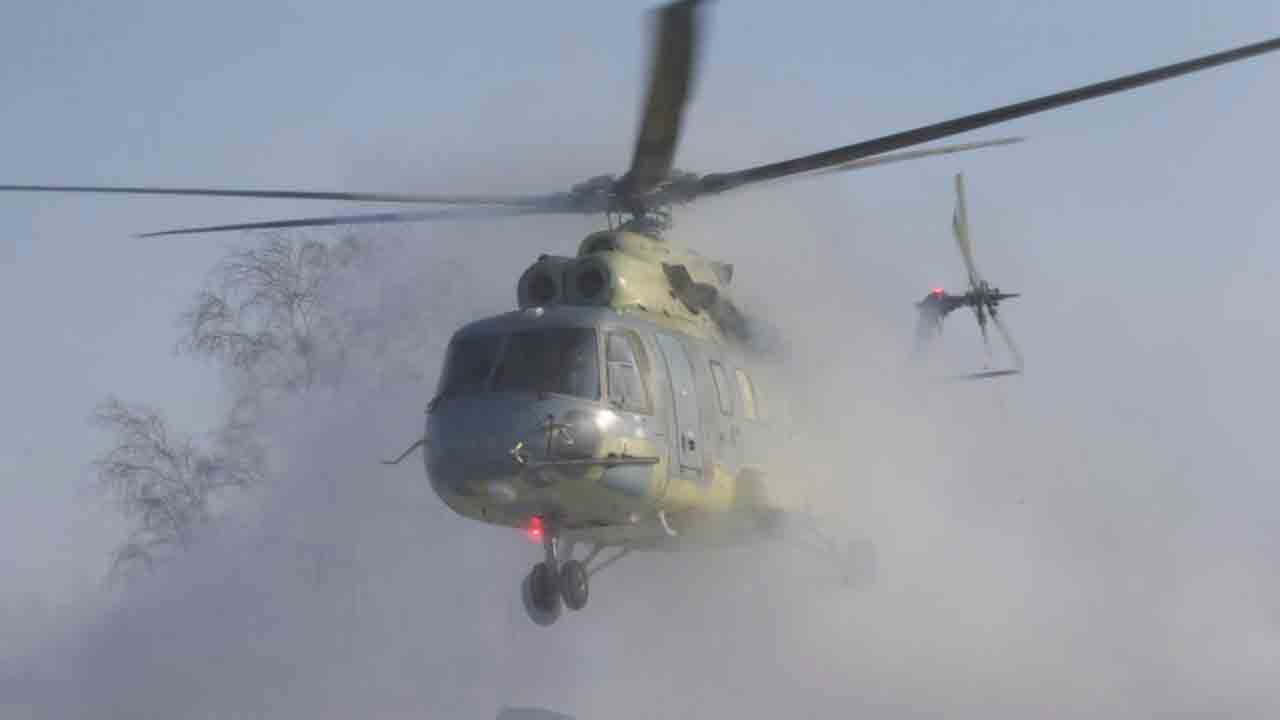
Manufactured by the Russian Helicopters group, which is controlled by the state-owned corporation Rostec, the Mi-171A3 underwent a testing campaign in Yakutia, in Russia’s Far East. According to the manufacturer, 66 flights and 22 ground engine tests were conducted during evaluations carried out at temperatures close to the new certified limit.
The authorization is relevant for operations in Arctic and hard-to-reach areas, where extreme cold can affect hydraulic systems, electronic components, lubricants, batteries, and engine performance. In these regions, rotary-wing aircraft are often the main means of transportation between isolated communities, industrial facilities, and support bases.
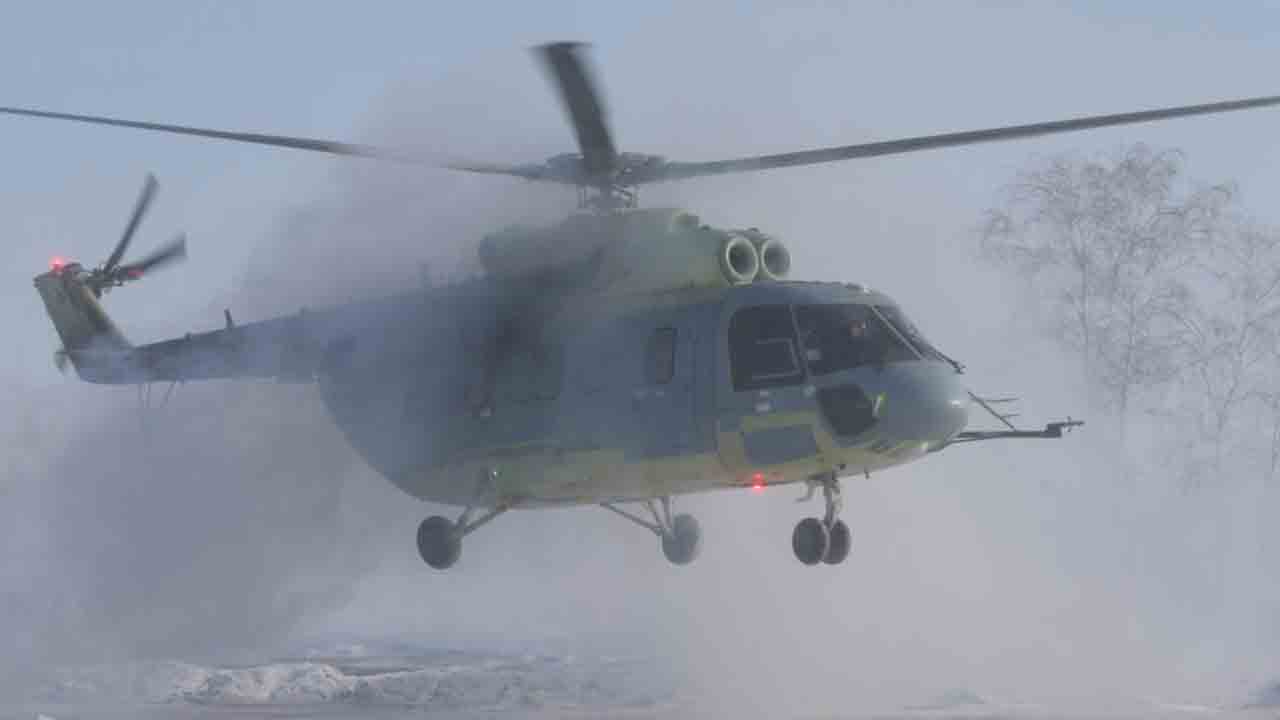
The Mi-171A3 was designed to transport passengers and cargo to offshore exploration platforms and other facilities located far from the mainland. Its configuration also takes into account extended flights over large bodies of water, a scenario that requires additional safety and survival equipment.
Among the solutions incorporated into the design are a reinforced fuselage and a fuel system developed to reduce the risk of leaks during emergency landings. The helicopter is also equipped with inflatable flotation devices that allow a controlled water landing in conditions equivalent to sea state 5, as well as life rafts for evacuating the occupants.
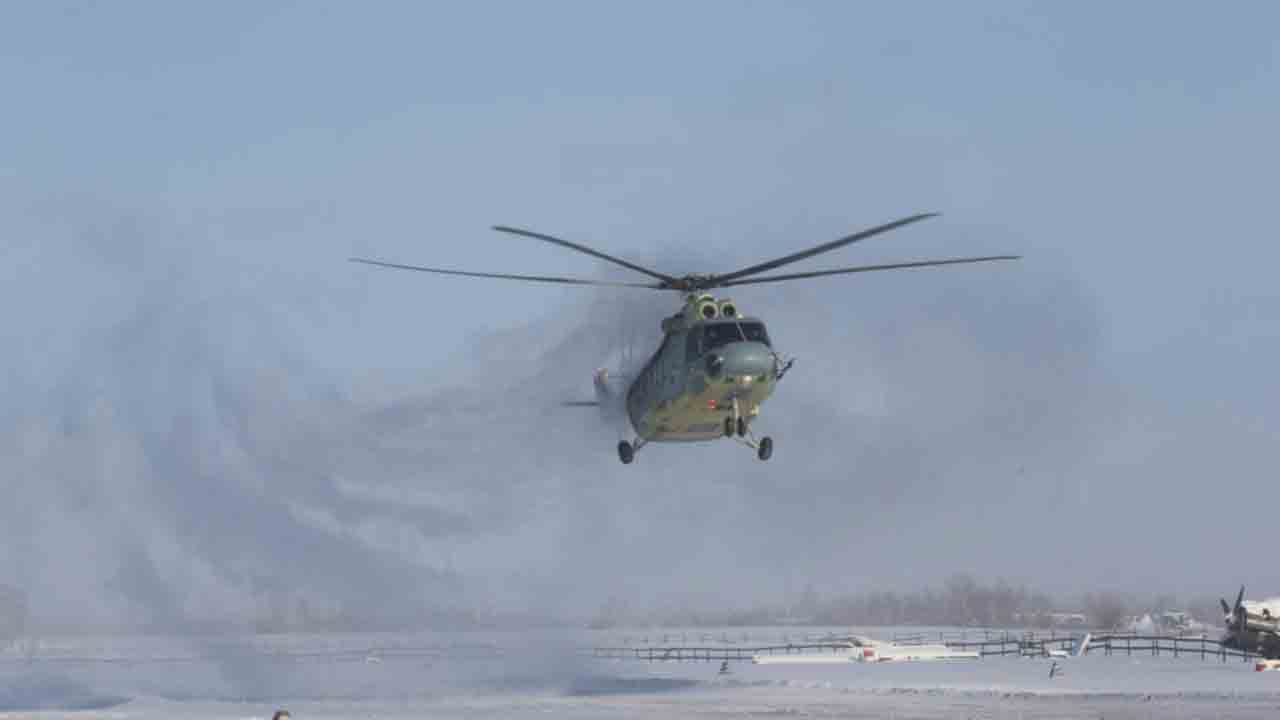
The platform can be adapted for search-and-rescue missions through the installation of medical modules, locating equipment, searchlights, and other specialized systems. This flexibility allows the same aircraft to be used for both offshore transportation and emergency operations.
According to Nikolai Kolesov, director general of Russian Helicopters, the tests were intended to demonstrate that the model could maintain its operational characteristics in environments of extreme cold. Rosaviatsiya’s approval formally confirms the results obtained during the testing campaign conducted in Yakutia.
Although it belongs to the well-known Mi-8/17 family, the Mi-171A3 incorporates structural modifications and systems specifically designed for the offshore market. The new authorization reinforces Russia’s strategy of deploying the model on industrial and logistics routes in the country’s coldest regions.
+ Pentagon releases new UFO video described as the clearest ever disclosed
Source and images: Telegram @rostecru. This content was created with the assistance of AI and reviewed by the editorial team.
