
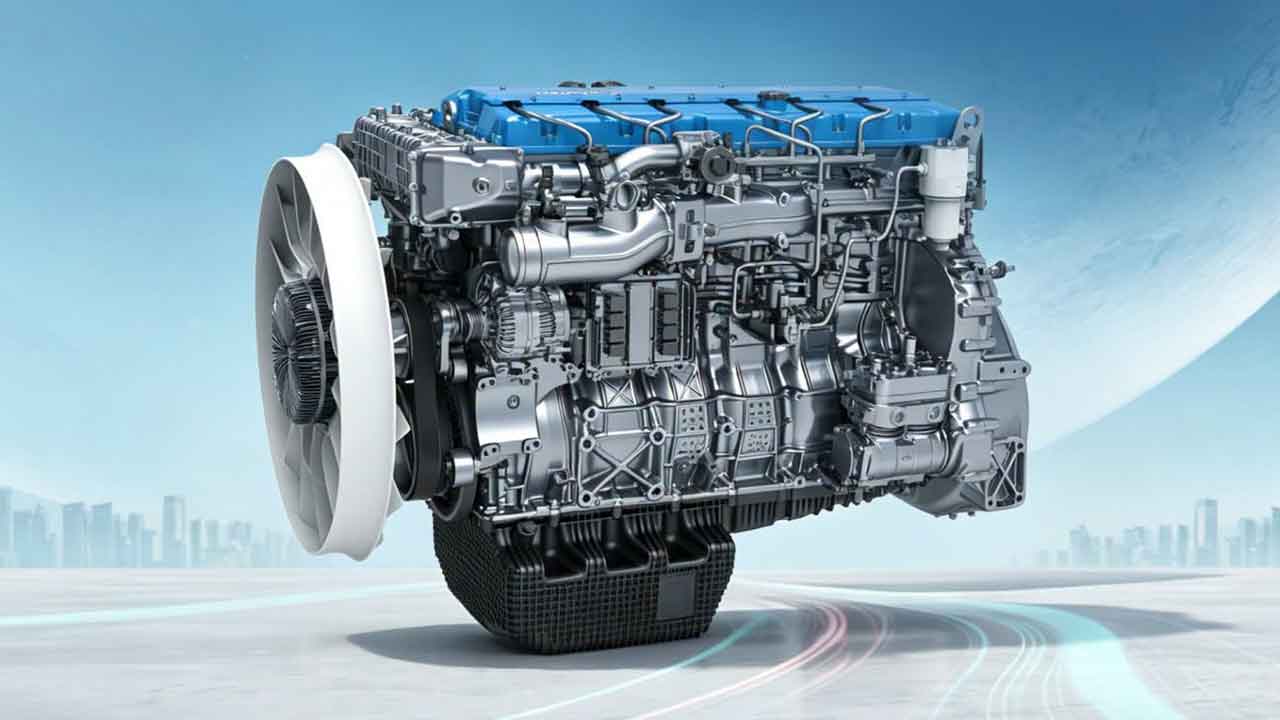
With a displacement of 14.6 liters, the WP15 delivers 2,800 Nm of torque and was developed for trucks, mining vehicles, port machinery, and large generators
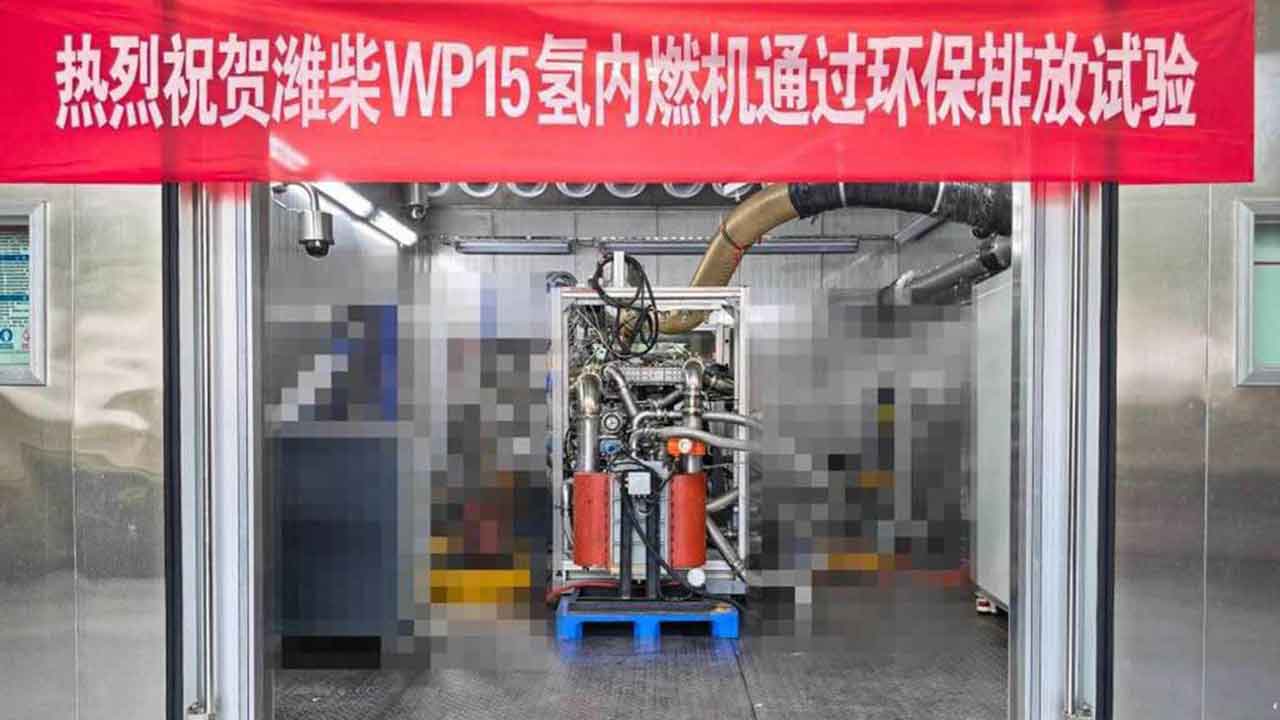
Weichai Power announced that its WP15 heavy-duty hydrogen engine has completed the main certification tests required under the China VI emissions standards, one of the strictest environmental regulations applied to commercial vehicles in the country.
The evaluations were completed on July 3 at the CATARC automotive testing center in Tianjin. According to the manufacturer, the WP15 has become the first hydrogen internal combustion engine for heavy-duty applications to fully meet the requirements of the Chinese standard.
During the validation process, the engine was subjected to different operating conditions, including cold starts, idling, high-speed operation, maximum load, and rapid load changes. The tests were intended to verify emissions control, reliability, and engine stability under conditions similar to those encountered in everyday use.
14.6-liter engine delivers 600 hp
The WP15 uses direct hydrogen injection and spark ignition. With a displacement of 14.6 liters, the engine produces up to 600 horsepower and a maximum torque of 2,800 Nm, figures suitable for applications requiring high traction capacity.
Another highlight announced by Weichai is its maximum thermal efficiency of 46.8%. This figure represents the portion of the energy contained in the fuel that is effectively converted into mechanical work by the engine.
Although hydrogen does not produce carbon dioxide during combustion, engines of this type still need to control other compounds, especially nitrogen oxides. For this reason, compliance with the China VI standard is considered an important step toward the commercial use of the technology.
Components shared with diesel engines
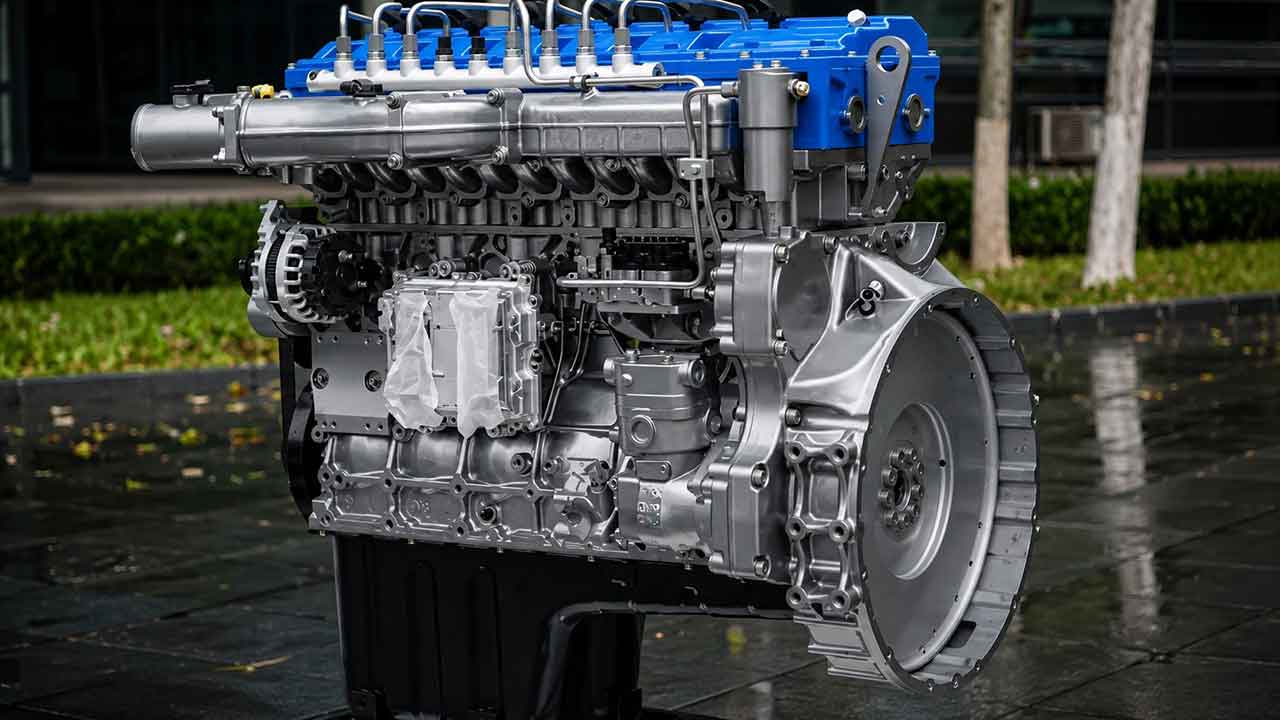
According to the company, more than 90% of the WP15’s components are shared with conventional diesel engine platforms. This strategy could facilitate production, installation in existing projects, and maintenance, while also reducing the need to develop an entirely new industrial infrastructure.
The fuel supply system was also designed to operate with hydrogen that does not need to meet the highest purity levels. In practice, this feature could reduce filtration complexity and help lower fuel costs for operators of large fleets.
Weichai lists long-haul road trucks, mining vehicles, port equipment, machinery used in steel mills, and high-capacity stationary generators among the possible applications of the WP15.
Large-scale production will be the next challenge
The certification represents a technical advance, but large-scale adoption still depends on factors such as production costs, the availability of low-carbon hydrogen, and the expansion of refueling infrastructure.
Weichai said it intends to accelerate preparations for series production of the engine and participate in Chinese projects focused on the commercial demonstration of hydrogen technology.
The technology is emerging as an alternative to battery-electric trucks and vehicles equipped with fuel cells. One of its main advantages is the ability to use part of the infrastructure and expertise already available in the internal combustion engine industry.
+ Turkey negotiates sale of S-400 to pave the way for return to F-35 fighter program
Source and images: Weichai Group | X @WeichaiOfficial. This content was created with the help of AI and reviewed by the editorial team.
