
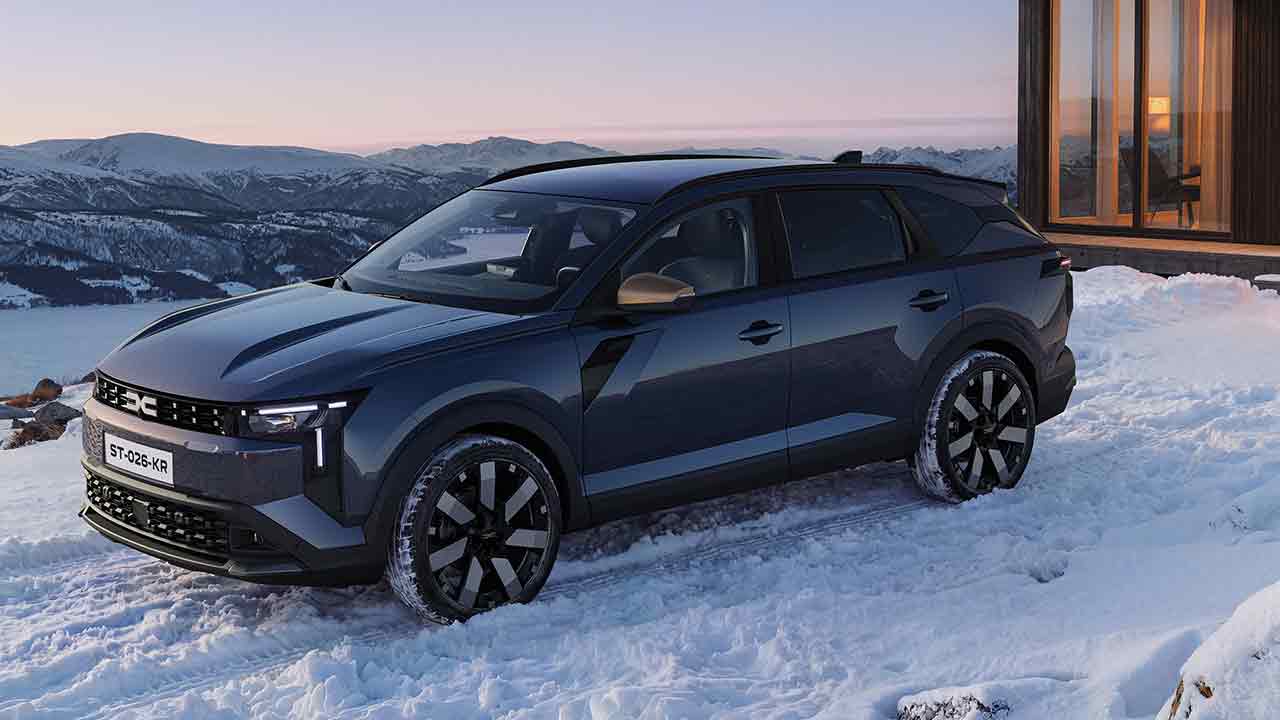
Dacia has unveiled the new Striker, a crossover created to occupy an increasingly competitive space in Europe’s C-segment: family cars that offer a raised driving position, a good-sized trunk, efficient fuel consumption and a competitive price.
More than simply launching yet another SUV, the brand is trying to propose an intermediate alternative between three familiar body styles. The Striker combines characteristics of an SUV, a wagon and a sedan, bringing together generous ground clearance, family-oriented interior space and an aerodynamic approach focused on efficiency.
According to Dacia, the model will be priced from under £25,000 in the United Kingdom, an important point in a market where midsize and electrified family SUVs are often well above that range. The strategy is part of the brand’s plan to expand its presence in the C-segment, where it aims to increase its share of total sales from 20% to 33% by 2030.
The Striker arrives at a time when many consumers are looking for a car with a robust appearance and a higher driving position, but without necessarily accepting the fuel consumption, weight and cost of a traditional SUV. That is where Dacia is trying to find room.
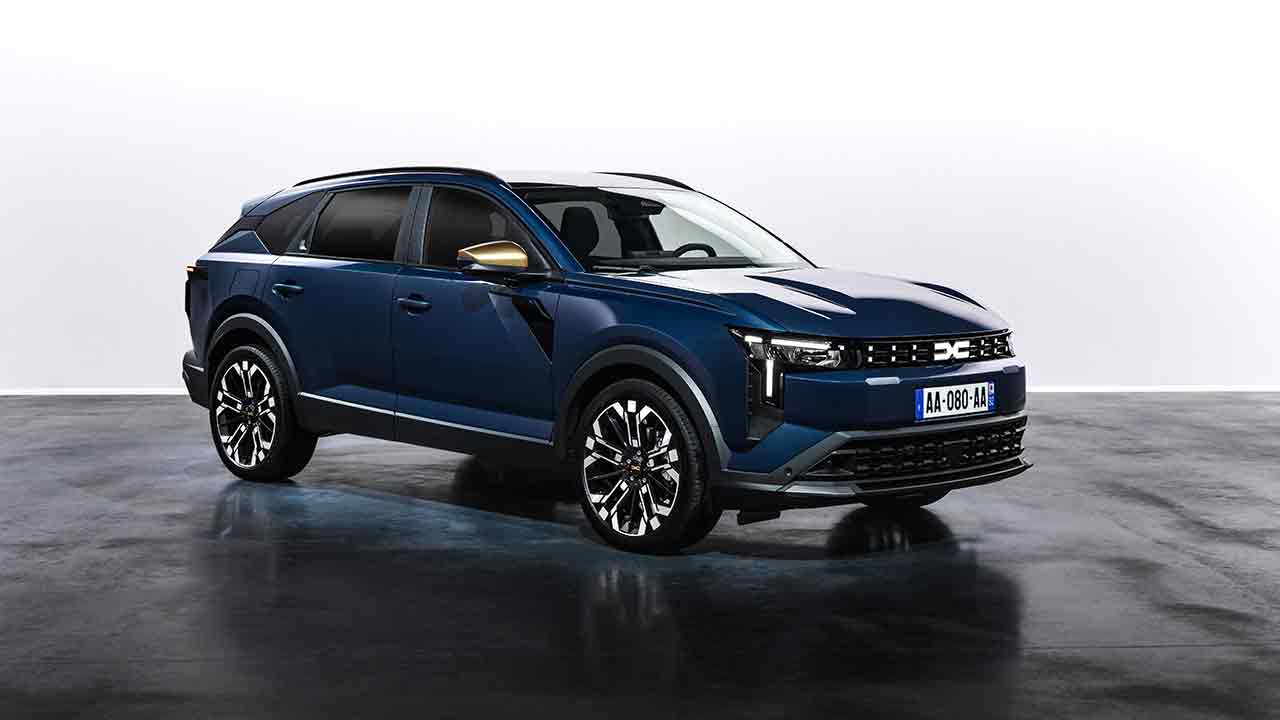
At 4.62 meters long, the model is similar in size to a C-segment wagon. At the same time, it offers ground clearance of up to 20 cm in 4×4 versions and 19 cm in 4×2 versions, figures close to those of midsize SUVs. The difference lies in the vehicle’s overall body height: 1.53 meters, below the more than 1.60 meters common in many SUVs in the same segment.
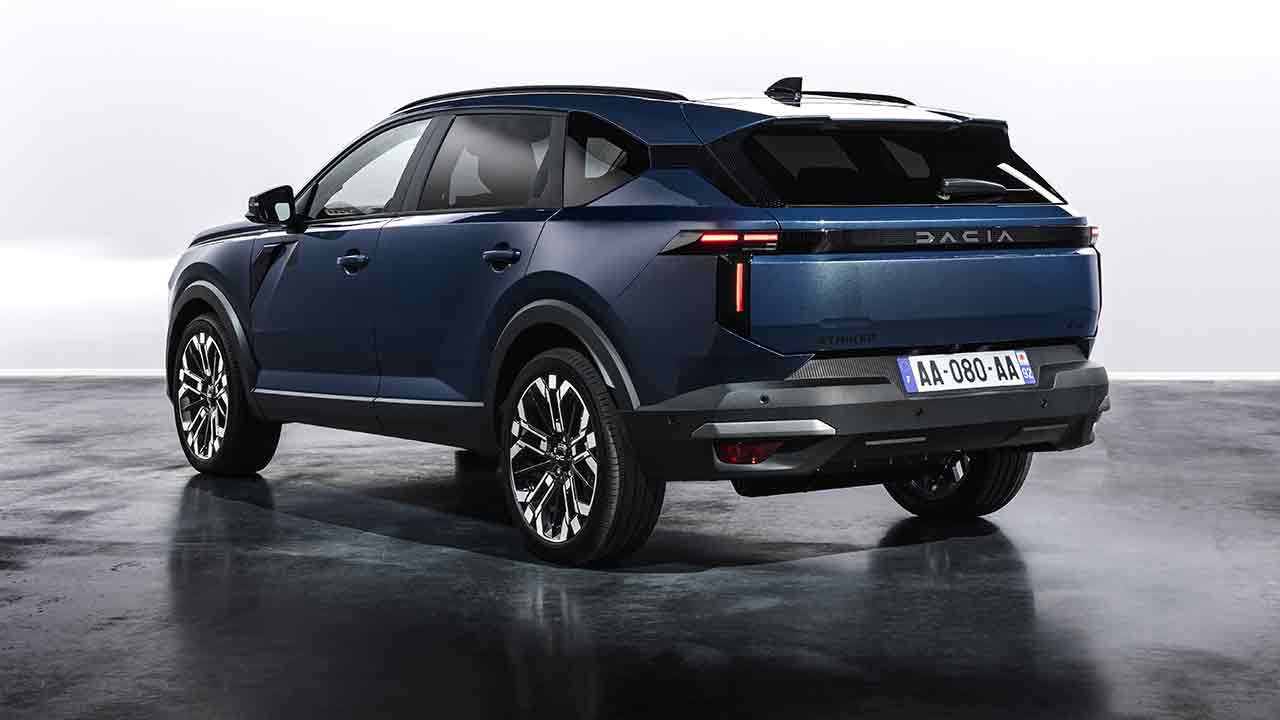
In practice, this means the Striker tries to deliver an adventurous stance without giving up a lower and more efficient silhouette. The aerodynamic coefficient of 0.29 reinforces this proposal, helping to reduce consumption and noise on trips.
The curiosity: a “hybrid” also in the body concept
The Striker’s big idea is not only in its electrified powertrains, but also in its body concept. Dacia defines the model as a kind of fusion between SUV, wagon and sedan.
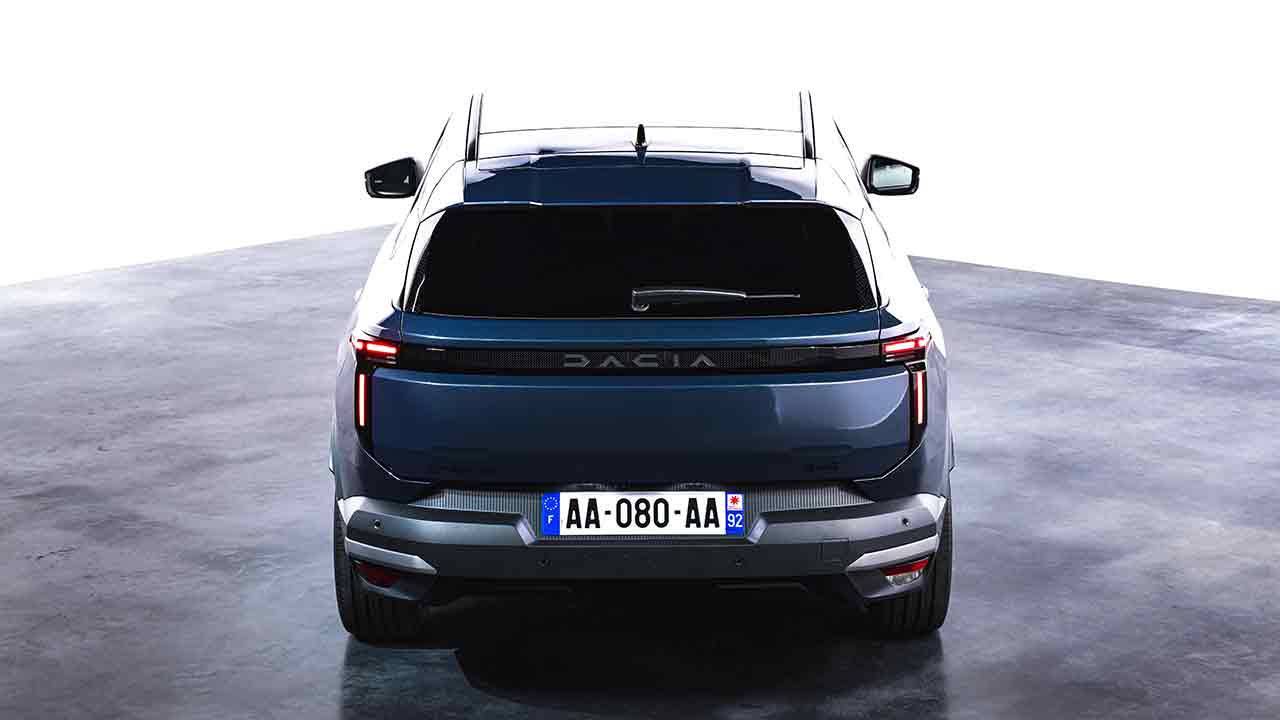
The upper part of the body has more elongated lines, with a sloped windshield, an extended roof and a more aerodynamic rear window. The lower part, meanwhile, relies on more robust volumes, pronounced fenders, good ground clearance and elements typical of models with outdoor appeal.
The Striker also debuts Dacia’s new “T”-shaped LED light signature, present at all four corners of the vehicle. At the front, the setup is integrated into the glossy black grille with the “Dacia Link” emblem. At the rear, the solution is repeated in a wide black strip with the brand name in relief.
Family space and a rational proposal
The trunk is one of the central points of the project. The Striker offers up to 600 liters of capacity, a strong figure for the C-segment and especially relevant for families who travel or need to carry equipment in daily use.
Dacia has also created a trunk floor divided into three parts, allowing cargo to be better organized and preventing objects from moving around loosely. The Easy Fold system allows the rear seats to be folded from the trunk itself, with a 60/40 split.
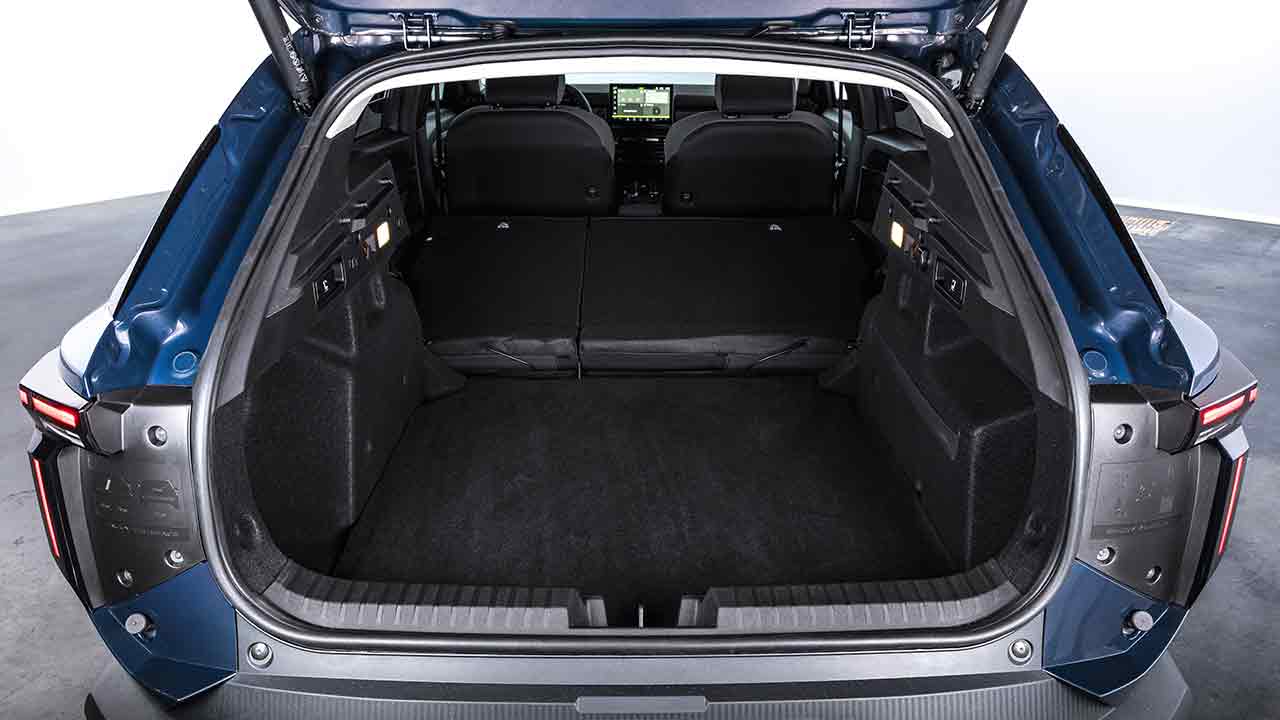
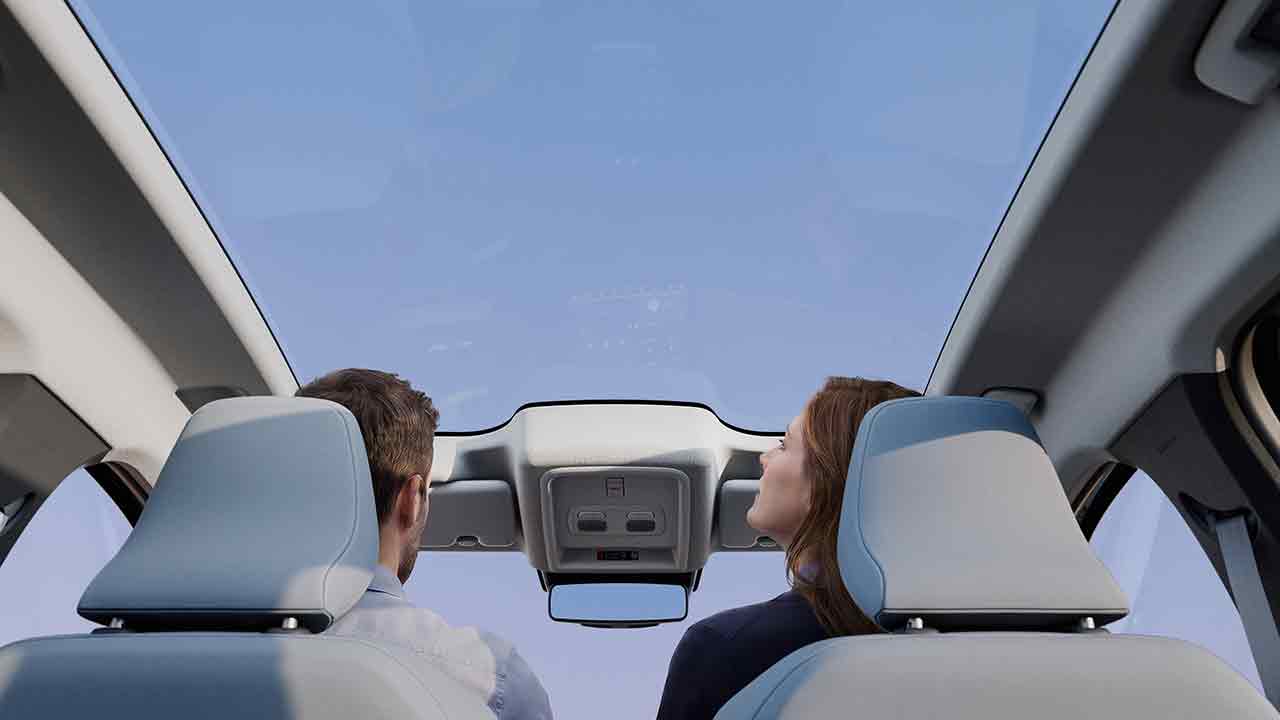
In the better-equipped versions, there is an electric tailgate with automatic opening by proximity, a panoramic glass roof, heated front seats, a heated steering wheel, wireless smartphone charging and a multimedia center with a 10.1-inch screen.
Simple interior, but more technological
Inside, the Striker follows Dacia’s philosophy: focus on functionality, physical controls for important functions and practical solutions for everyday use.
The dashboard has a horizontal design and is organized into three levels. The 10.1-inch multimedia center will be standard across the entire range, while the 7-inch LightVisio digital instrument cluster will also be present in all versions. Depending on the trim, the system includes connected navigation with real-time traffic information and map updates for eight years.
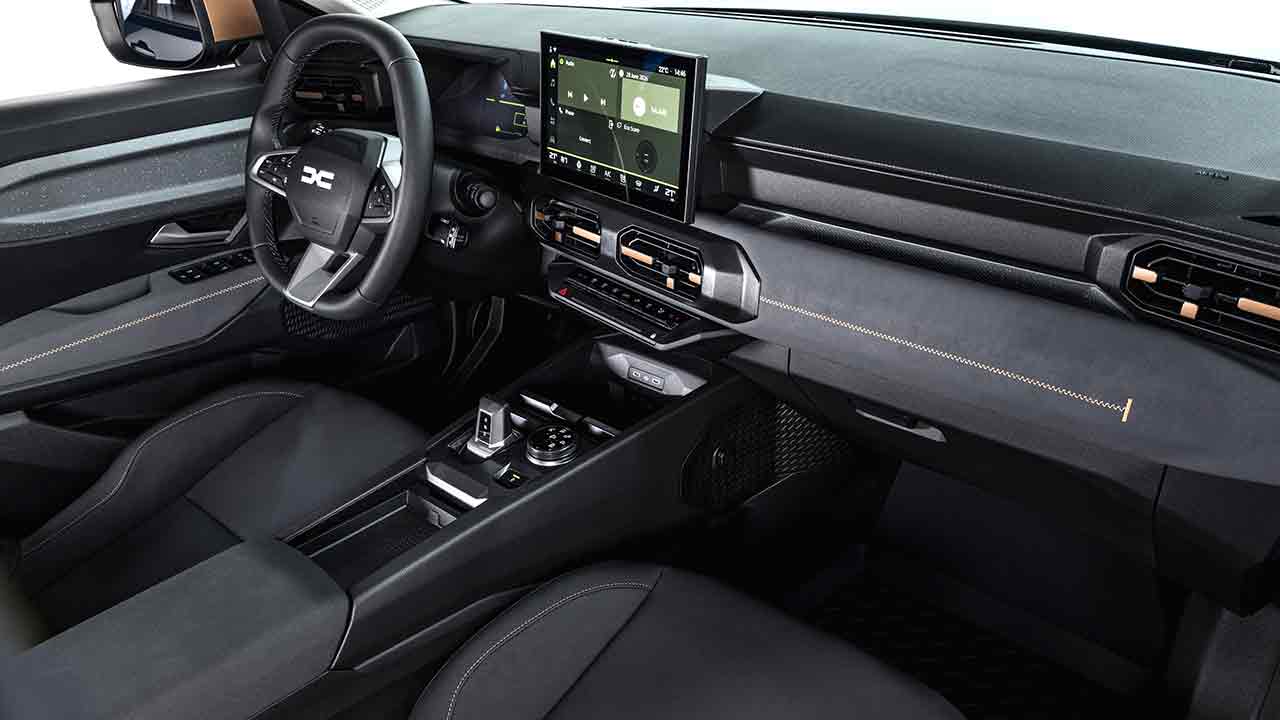
Another highlight is the YouClip system, which allows accessories to be attached at different points in the cabin. The Striker may have up to nine anchor points for items such as a bottle holder, a multipurpose net and a children’s blanket that also works as a play mat.
Hybrid engines and 4×4 option
The lineup will feature electrified powertrains. The Hybrid 155 version combines a 1.8-liter four-cylinder gasoline engine, two electric motors, a 1.4 kWh battery and an electrified automatic transmission. According to Dacia, this configuration allows the car to run in fully electric mode up to 80% of the time in urban environments, in addition to always starting in electric mode. CO₂ emissions remain below 100 g/km.
The Hybrid 150 4×4 version uses a 1.2 mild-hybrid engine with 140 hp on the front axle, paired with an electric motor on the rear axle. The system allows on-demand all-wheel drive, with Auto, Eco, Snow, Mud/Sand and Off-Road modes. The idea is to offer additional traction when needed, while preserving the efficiency of a 4×2 in normal use.
In the Extreme version, the model also comes with hill descent control, which maintains a constant speed between 3 km/h and 30 km/h on low-grip descents.
Safety and cost of use
The Striker will be equipped as standard with items required by the latest European regulations, including automatic emergency braking, traffic sign recognition, lane departure warning, lane keeping assist, driver attention monitoring, rear sensors, eCall and adaptive cruise control.
Dacia has also created the “My Safety” function, which allows personal preferences for assistance systems to be restored when starting the car, preventing the driver from having to adjust everything again on every trip.
Versions
The range will consist of four versions: Essential, Expression, Extreme and Journey.
Essential will be the entry-level option, already equipped with 17-inch steel wheels, roof bars, a 10.1-inch central screen, smartphone mirroring, a 7-inch digital cluster, manual air conditioning, a rearview camera and rear sensors.
Expression adds 17-inch alloy wheels, dual-zone automatic climate control, an electric parking brake with Autohold, electrically folding mirrors and air vents for the rear seats.
Extreme has a more adventurous focus, with 18-inch wheels, a panoramic roof, a hands-free key card, washable seats in synthetic material, rubber mats, a 10-inch digital dashboard, connected navigation and hill descent control.
Journey is aimed at travel comfort, with an electric tailgate, an electrically adjustable driver’s seat, heated front seats and steering wheel, wireless charging and a more complete multimedia package.
The Striker shows a clear attempt by Dacia to occupy a space between traditional categories. It does not abandon the visual appeal of SUVs, but tries to correct some points usually criticized in this type of car, such as high weight, higher consumption and a higher price.
+ U.S. invests $143 million to keep C-5M Super Galaxy updated until 2032
Source and images: Dacia. This content was created with the help of AI and reviewed by the editorial team.
