
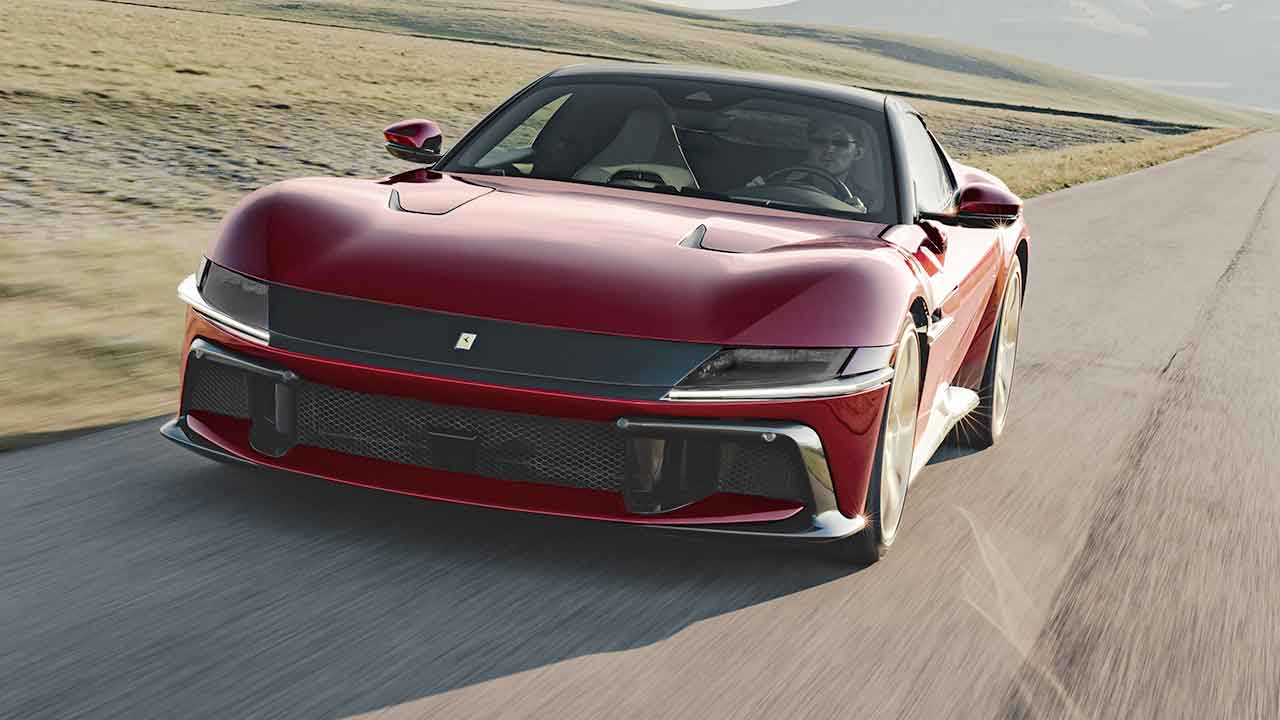
Ferrari has unveiled the new 12Cilindri Manuale, a limited-edition version of its V12 grand tourer that brings back the manual gear-shifting experience, but with an unprecedented technological solution developed by the brand itself.
The launch comes at a symbolic moment for Maranello. After the divided reaction surrounding Ferrari’s first electric car, the Luce, the Italian brand is once again aiming directly at purists: customers who still associate Ferrari with the sound of a combustion engine, engagement behind the wheel, and the physical sensation of commanding the machine. Reuters noted that the model was presented after the mixed reception to the brand’s electric car.
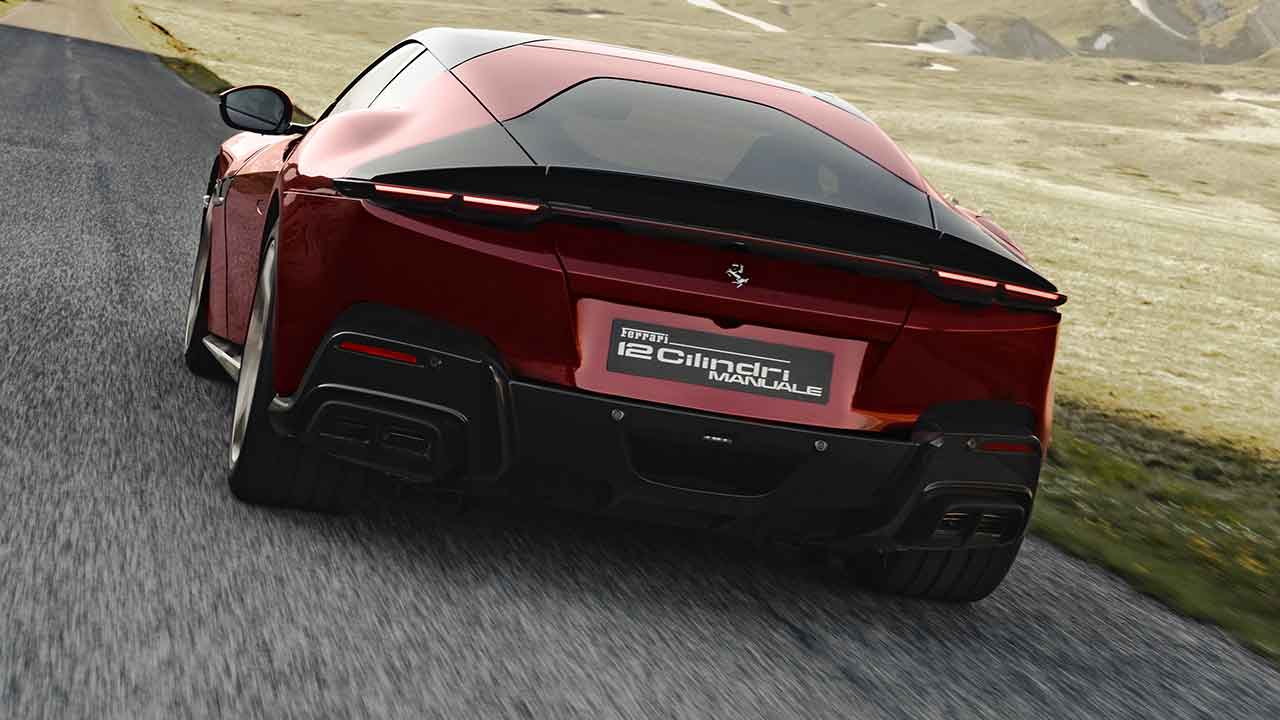
The new Ferrari 12Cilindri Manuale will be limited to 1,499 units and uses a naturally aspirated 6.5-liter V12 engine, capable of reaching up to 9,500 rpm. According to Ferrari, the number of units also references the brand’s first twelve-cylinder engine, produced in 1947.

Manual, but not like before
Despite its name, the 12Cilindri Manuale does not adopt a conventional manual transmission, with a direct mechanical connection between the gear lever, clutch, and gearbox. The car uses the new Manuale by-wire system, which combines a gear lever with a metal gate, an electronic clutch pedal, and Ferrari’s eight-speed dual-clutch automated transmission.
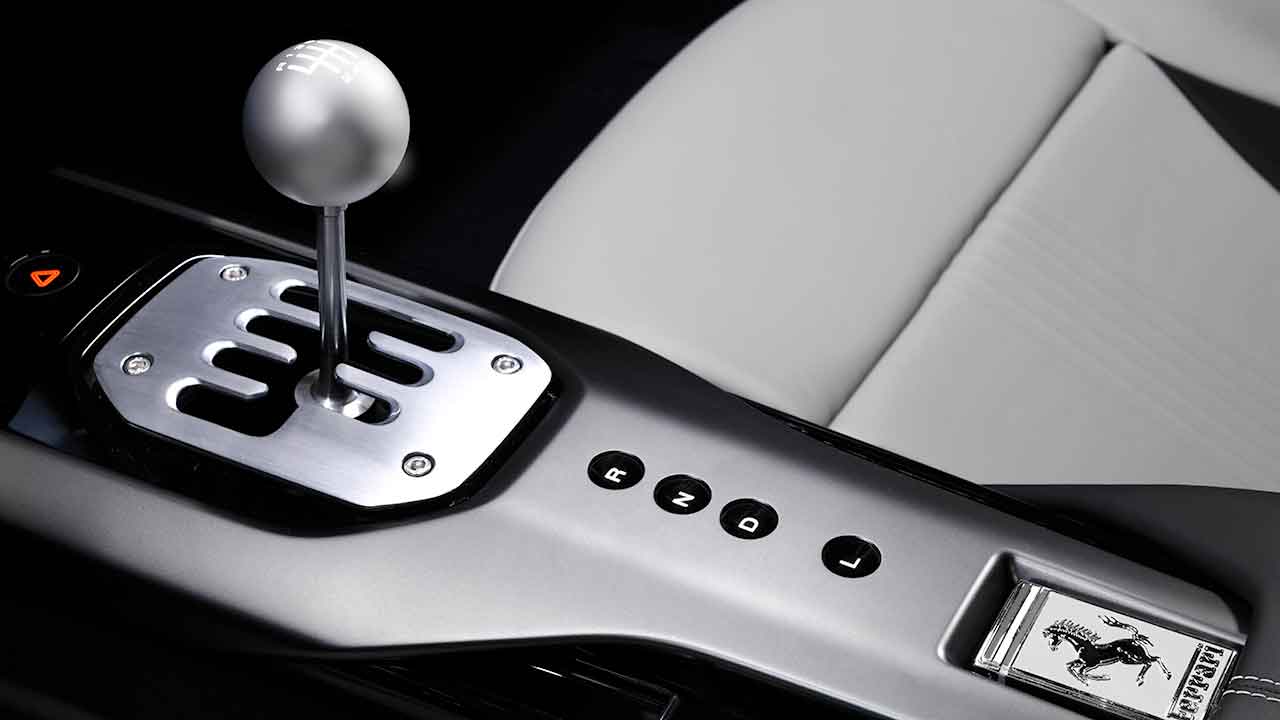
In practice, the driver can shift manually through the first six gears and reverse, using the lever and clutch pedal. The system, however, converts these physical commands into electronic signals, maintaining the precision and speed of the DCT gearbox. There is also the option of driving in automatic mode.
Ferrari’s proposal is to recreate the feel of a classic manual gearbox, including weight in the lever, mechanical clicks, resistance during engagement, and clutch pedal response. The brand itself says the system was developed to preserve an analog feel, but with high-precision electronic control.
The naturally aspirated V12 remains the star
The naturally aspirated V12 engine is one of the central points of the project. Ferrari says the high rev range, reaching 9,500 rpm, makes the setup ideal for enhancing gear progression and driver involvement.
With this, the 12Cilindri Manuale attempts to occupy a rare space in today’s market: that of a modern, highly electronic supercar designed to deliver a more physical and less filtered experience. Specialist publications have also pointed out that the model uses a “simulated manual” solution based on a dual-clutch transmission, preserving performance and usability.
Cabin revives classic Ferrari elements
Inside, Ferrari redesigned the center console, gear lever, knob, shift gate, and pedal set. The classic “H”-pattern metal gate returns as both a visual and functional element, with six gears and reverse positioned in the upper left corner.
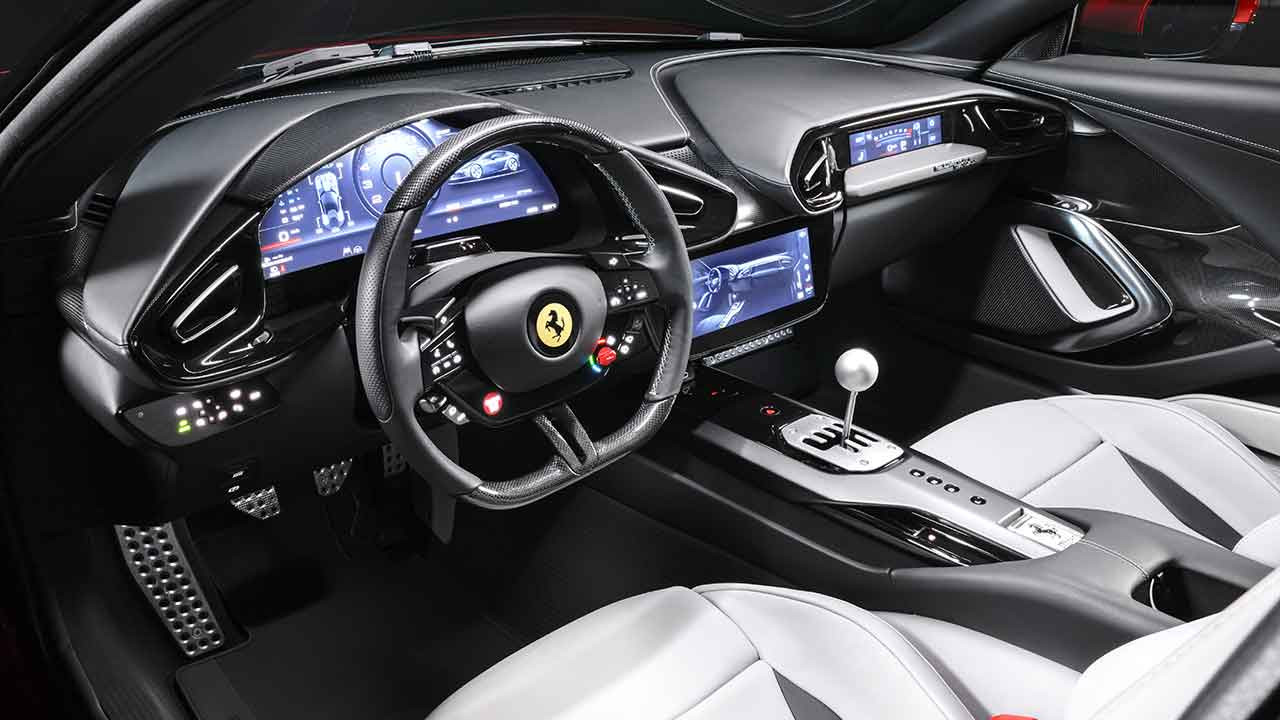
The round aluminum knob features lighting and an indication of the active driving mode, manual or automatic. The console received leather trim and anodized aluminum details, seeking to integrate the nostalgia of old manual Ferraris with the contemporary style of the 12Cilindri.
Limited edition for traditional Ferraristi
The 12Cilindri Manuale will also feature exclusive specifications from the Tailor Made program, with unique finishing details, five-spoke forged wheels, aluminum door sills engraved with the model’s logo, and side badges with laser identification.
More than a simple variation of the 12Cilindri, the model appears to function as Ferrari’s emotional response to its more traditional customers. Instead of rejecting electronics, the brand uses technology to try to rebuild precisely what many enthusiasts miss: the ritual of shifting gears, modulating the clutch, and actively taking part in the driving experience.
In the end, the 12Cilindri Manuale is not a pure return to the past. It is a modern Ferrari trying to turn nostalgia into an ultra-high-performance product — with a V12 engine, limited production, and a manual experience reinterpreted for the by-wire era.
Source and images: Ferrari. This content was created with the help of AI and reviewed by the editorial team.
