
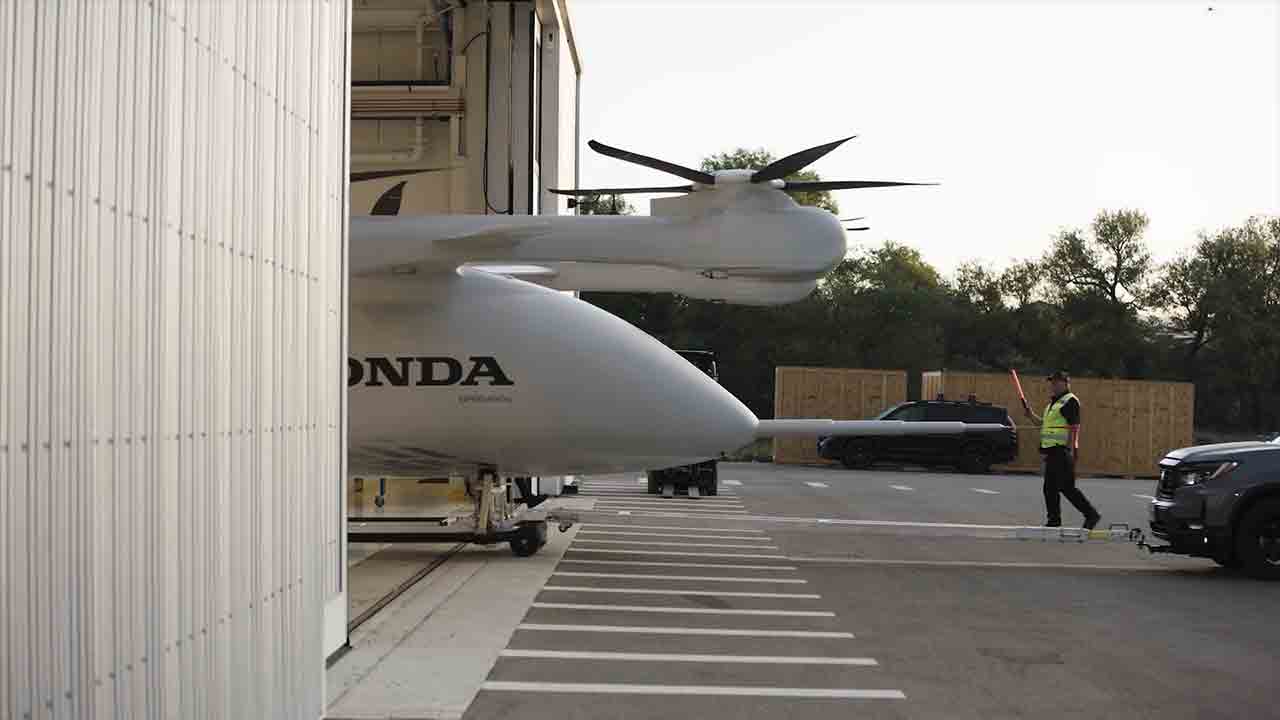
Honda has released a video showing behind-the-scenes footage of the first flight of its full-scale eVTOL, the F1, emphasizing that the test was not viewed internally as the finish line, but rather as the beginning of a new phase in the aircraft’s development.
The company once again drew attention in the advanced air mobility sector by publishing testimonials from members of the project team, who shared behind-the-scenes insights into the inaugural flight of the full-scale demonstrator. The material, released by Honda Global R&D/HGR, shows how the team views the milestone: less as a celebration and more as the transition to a far more demanding validation phase.
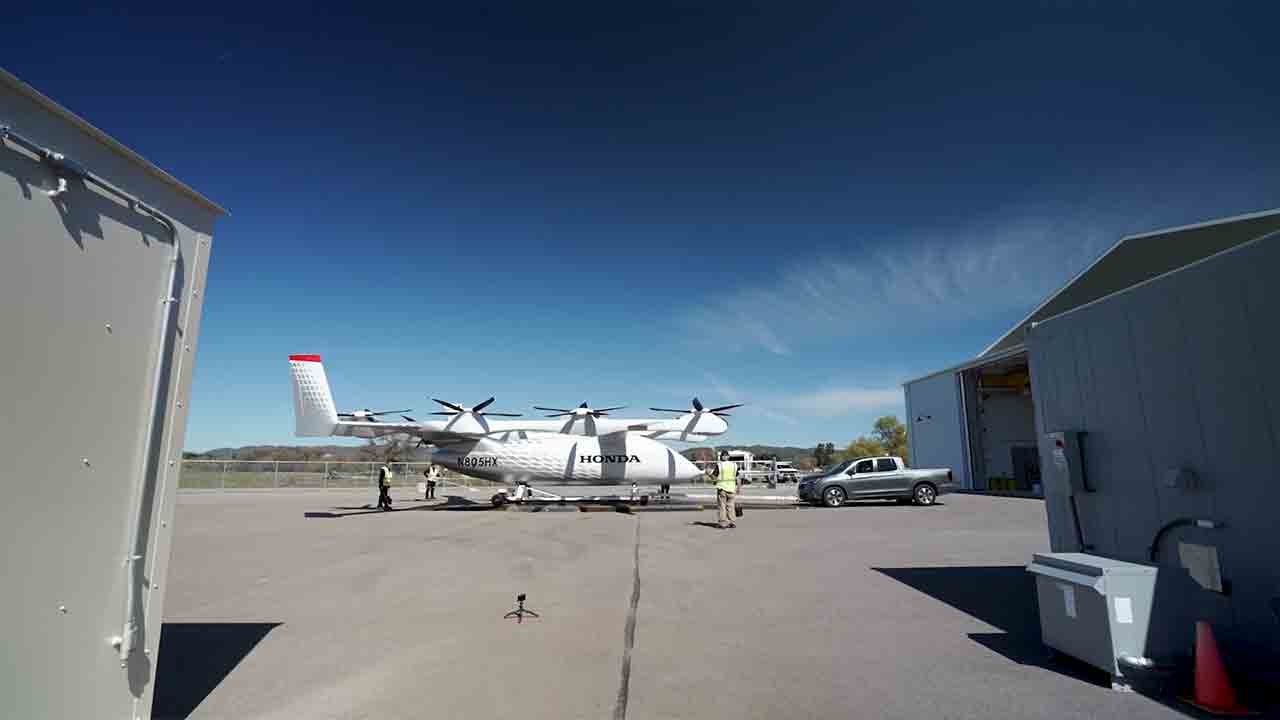
That is precisely the key point. In a market where many “flying car” projects still seem far from reality, getting a full-scale aircraft into the air fundamentally changes the conversation. It is no longer just about renderings, mockups, or concept displays. Honda is now working with real-world flight data covering structural behavior, stability, flight control, and systems integration.
Honda itself avoids presenting the first flight as an end in itself. In its official statement, the company says the inaugural flight “was not the goal, but a new starting point.” For a project of this kind, that statement makes perfect sense: achieving a brief flight is only one of the earliest steps in a long process that must still progress through safety testing, range validation, certification, and commercial feasibility.
+ Click here to watch the video
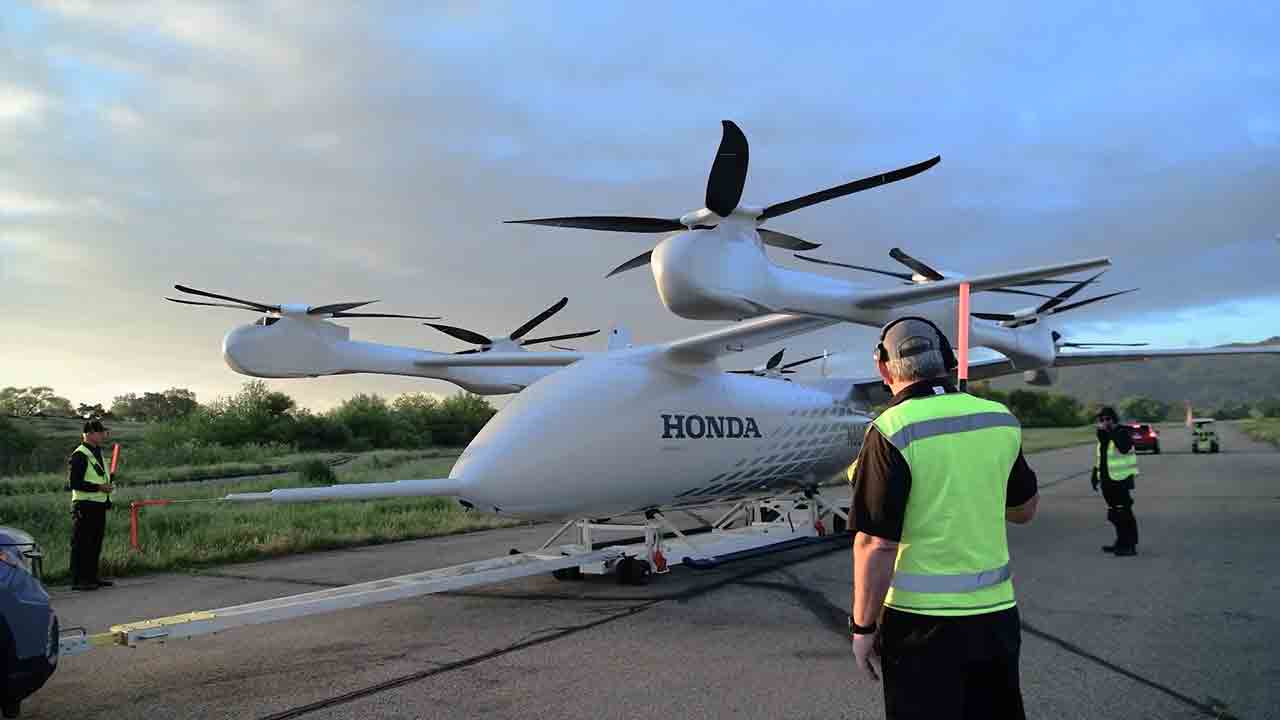
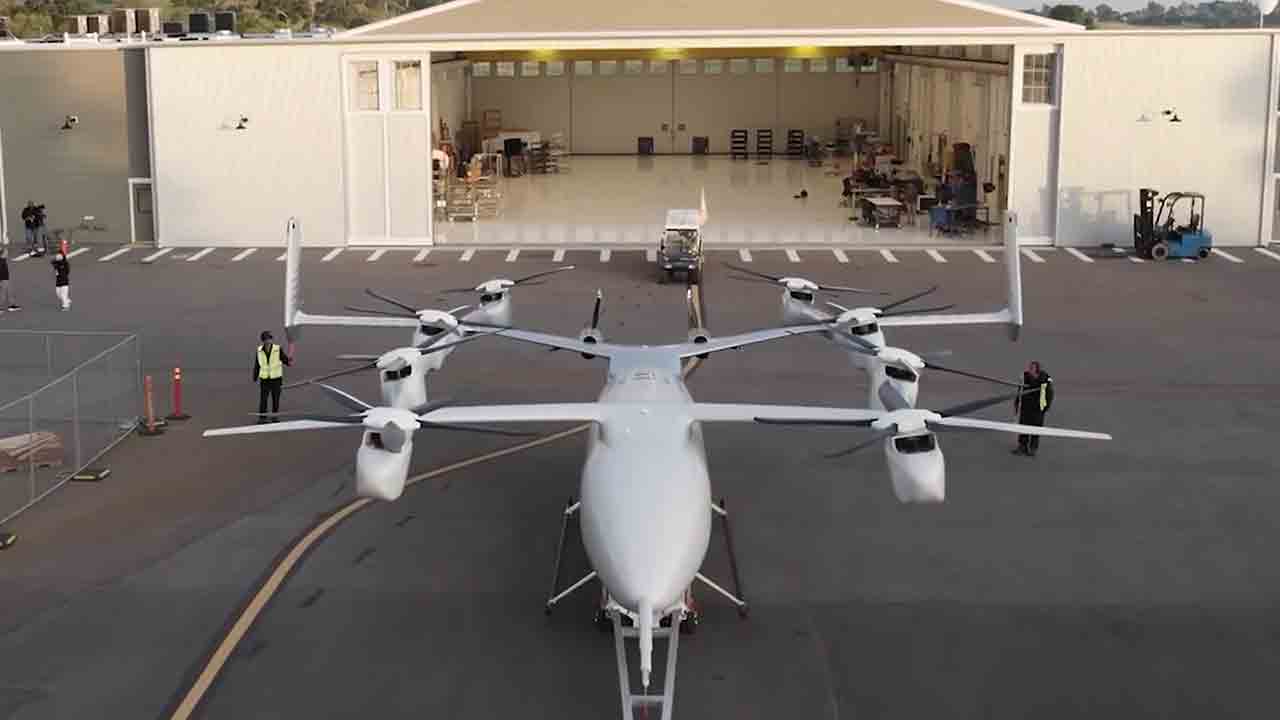
One of the most striking aspects of Honda’s eVTOL is that it looks much more like an experimental aircraft than a futuristic automobile. Its rotor arrangement, elongated fuselage, and configuration designed for vertical takeoff and landing clearly place it in the aviation world, even though it comes from a company globally recognized for its cars, motorcycles, and engines.
It is worth noting that eVTOL stands for electric Vertical Take-Off and Landing aircraft. In practice, it is an aircraft designed to take off and land without a runway, much like a helicopter, but with a more modern architecture generally based on multiple rotors and electric propulsion systems. The technology’s biggest promise is to connect urban and regional destinations with less dependence on traditional airports.
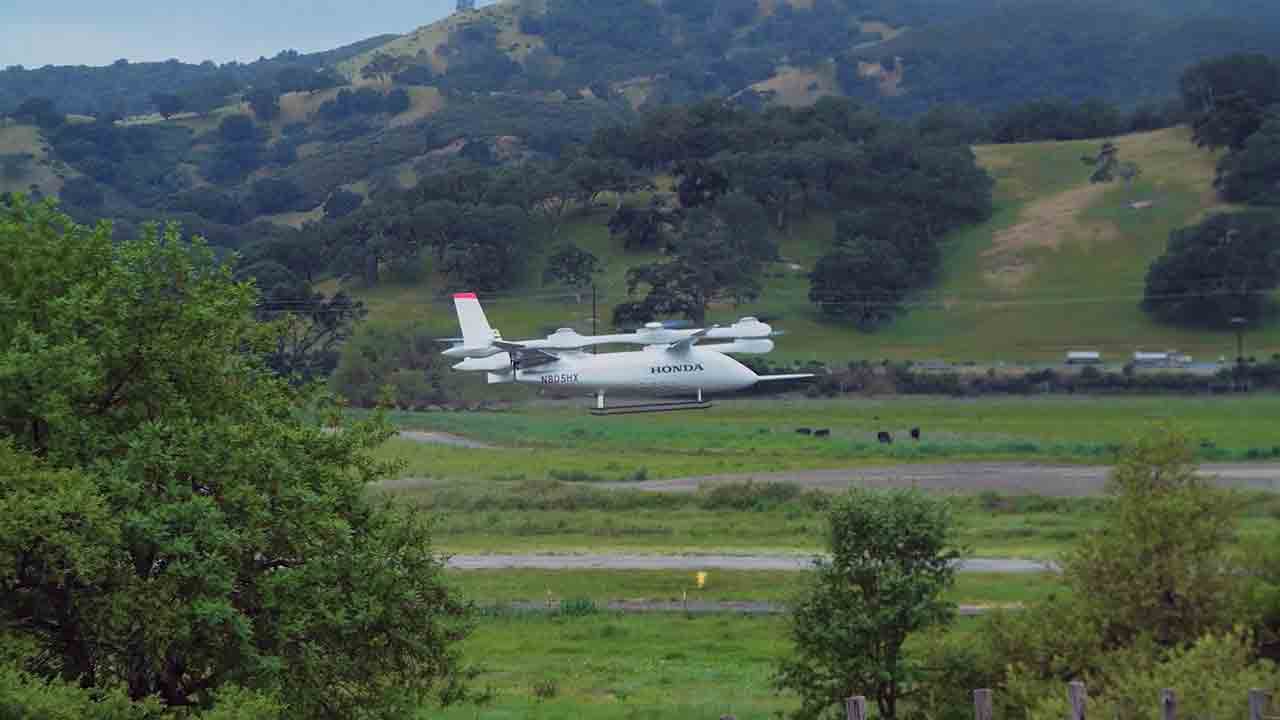
Honda’s approach includes one important differentiator. The company is developing a hybrid concept that combines electric propulsion with a power-generating unit to extend operational range. This places Honda’s eVTOL in a different category from aircraft designed solely for short urban flights.
Honda’s involvement in this segment is also far from accidental. Although the company is best known for its automotive business, it already has a presence in aviation through the HondaJet and has extensive experience in engine development, materials engineering, and control systems. That expertise helps explain why the Japanese manufacturer decided to enter a field that combines aerospace engineering, electrification, and future mobility.
Even so, the road to commercial operations remains long. A successful first flight does not mean the eVTOL is close to carrying passengers. Before that happens, the aircraft must undergo an extensive series of tests, design refinements, and regulatory certification processes. In aviation, every technical advance must be repeated, measured, and rigorously validated.
The true significance of the first flight lies less in the spectacle itself than in what it makes possible going forward. With a full-scale demonstrator now successfully flying, Honda can begin testing in real-world conditions what previously depended on simulations and smaller-scale prototypes. That marks a decisive step for any company aiming to turn eVTOL technology from a promising concept into a commercially viable product.
+ Lockheed Martin awarded $104 million to modernize Spain’s F-100 frigates
Source and images: Honda Global R&D/HGR. This content was created with the assistance of AI and reviewed by the editorial team.
