
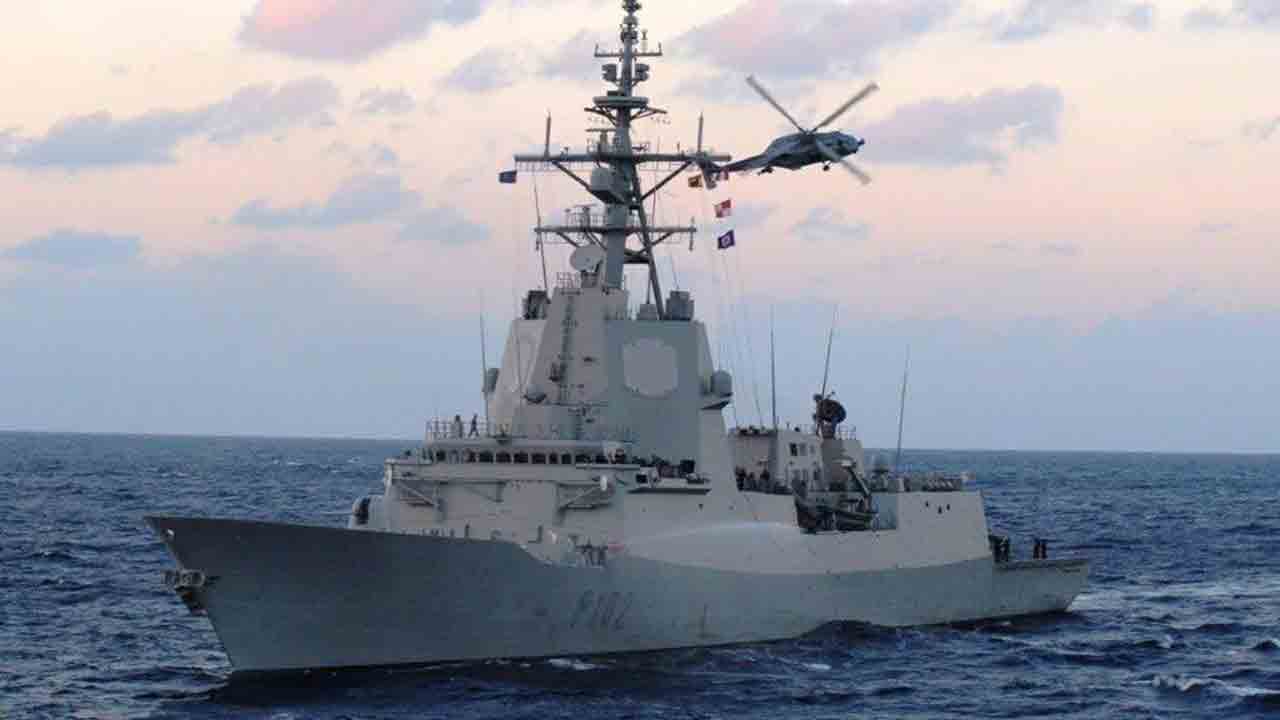
Lockheed Martin has been awarded a $104 million contract by the U.S. Navy to begin the mid-life modernization of the Spanish Navy’s five Álvaro de Bazán-class (F-100) frigates. Although the contract was issued by the U.S. government, the funding comes from Spain through the Foreign Military Sales (FMS) program.
The first phase includes engineering work, procurement of long-lead materials, and preparation of the infrastructure required for the program, with completion scheduled for June 2027. Most of the work will take place at Lockheed Martin’s facility in Moorestown, New Jersey, one of the company’s primary development centers for the Aegis combat system.
An important point is that the United States is not financing the Spanish frigates. Under this type of agreement, Washington serves as the official intermediary and oversees the export of sensitive military technology, while the purchasing country covers all associated costs. In the case of the F-100 program, Spain is using the FMS channel to access U.S.-made systems, components, software, technical support, and related services.
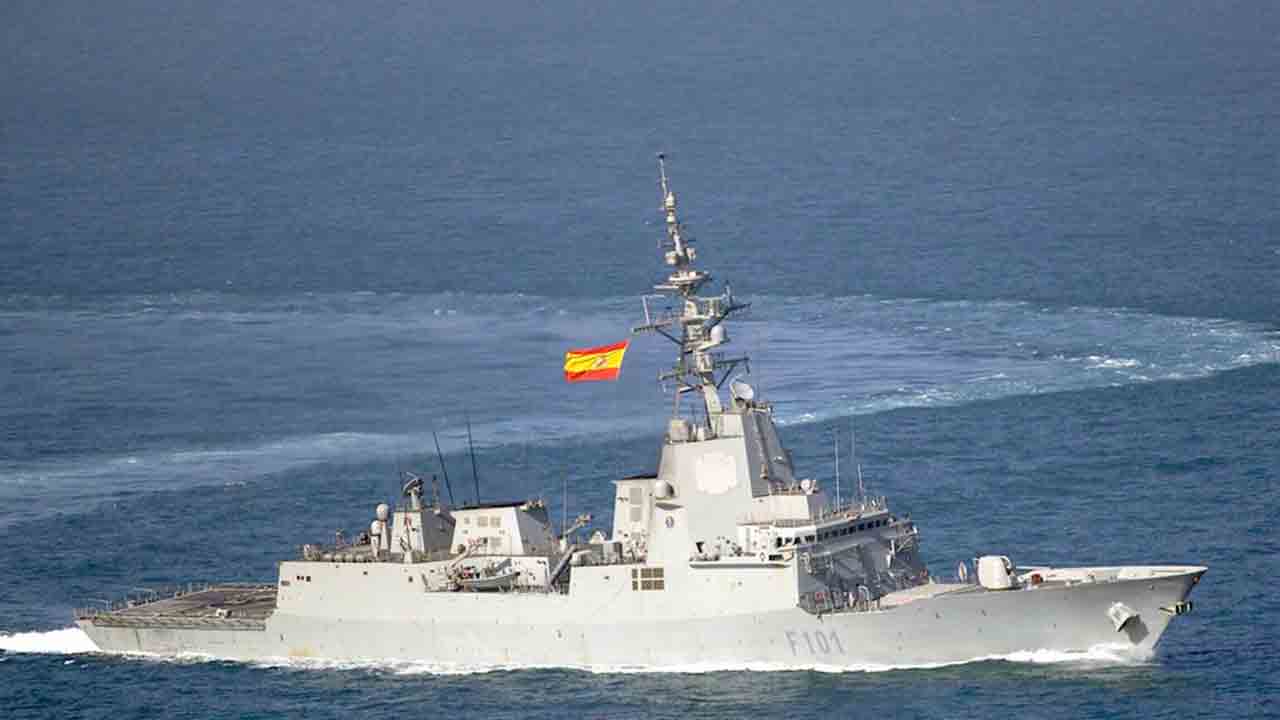
Built by Navantia and in service since 2002, the F-100 frigates were the first in Europe to integrate Lockheed Martin’s Aegis combat system with the AN/SPY-1D radar. After more than two decades of service, the ships will undergo an upgrade designed to extend their operational life and adapt their systems to modern threats.
The broader package approved by the United States for Spain could reach $1.7 billion and includes, among other items, Aegis system sets, digital components, upgrades to the Mk 41 Vertical Launch System, and new sensor and integration capabilities. The modernization is intended to keep the frigates as top-tier air defense escorts capable of operating seamlessly alongside U.S. forces and those of other NATO members.
Throughout their service, the ships have participated in numerous NATO operations, air defense exercises, and international missions. For Spain, the upgrade is a way to preserve a class of warships considered strategically important for protecting naval task groups, maritime routes, and joint operations in increasingly complex environments.

In addition to directly benefiting the Spanish Navy, the program is also noteworthy because it involves a naval design that has influenced other international projects. The F-100 design served as the basis for related warships, including Norway’s Fridtjof Nansen-class frigates and Australia’s Hobart-class destroyers, both of which are also part of the Aegis ecosystem.
In practice, the $104 million contract represents only the beginning of the modernization phase. Its greatest significance lies in extending the operational life of the Spanish frigates while maintaining compatibility with U.S. systems and NATO operational standards.
+ U.S. Army invests $35 million in new combat vehicles for the Arctic
Source: Defence Blog, DSCA | Photos: X @Armada_esp | @EMADmde | This content was created with the assistance of AI and reviewed by the editorial team.
