
BMW has unveiled the fifth generation of the X5, one of the most important SUVs in the brand’s history and the model that launched the automaker’s premium SUV lineup back in 1999. The new generation marks a major milestone: for the first time, the X5 has been engineered to support five different powertrain options globally, including all-electric, plug-in hybrid, diesel, gasoline in selected markets, and a future hydrogen-powered version.
The biggest news is the debut of the fully electric BMW iX5. In 60 xDrive specification, the SUV promises up to 525 miles of WLTP range, equivalent to around 845 km (525 miles), along with DC fast charging of up to 460 kW and an 800-volt electrical architecture.
In practice, this places the iX5 in direct competition with the longest-range premium electric SUVs while reinforcing BMW’s strategy of electrifying its most iconic models without abandoning other propulsion technologies.
Perhaps the most interesting aspect of the new generation is this multi-powertrain approach. While many automakers are focusing on a single technological path, BMW has chosen to prepare the X5 for different market realities.
Alongside the electric model, there will be plug-in hybrid versions, diesel models with a 48-volt mild-hybrid system, and later the BMW iX5 Hydrogen, which will become the brand’s first production hydrogen-powered vehicle. The fuel-cell version is expected to deliver up to 466 miles of driving range, approximately 750 km.
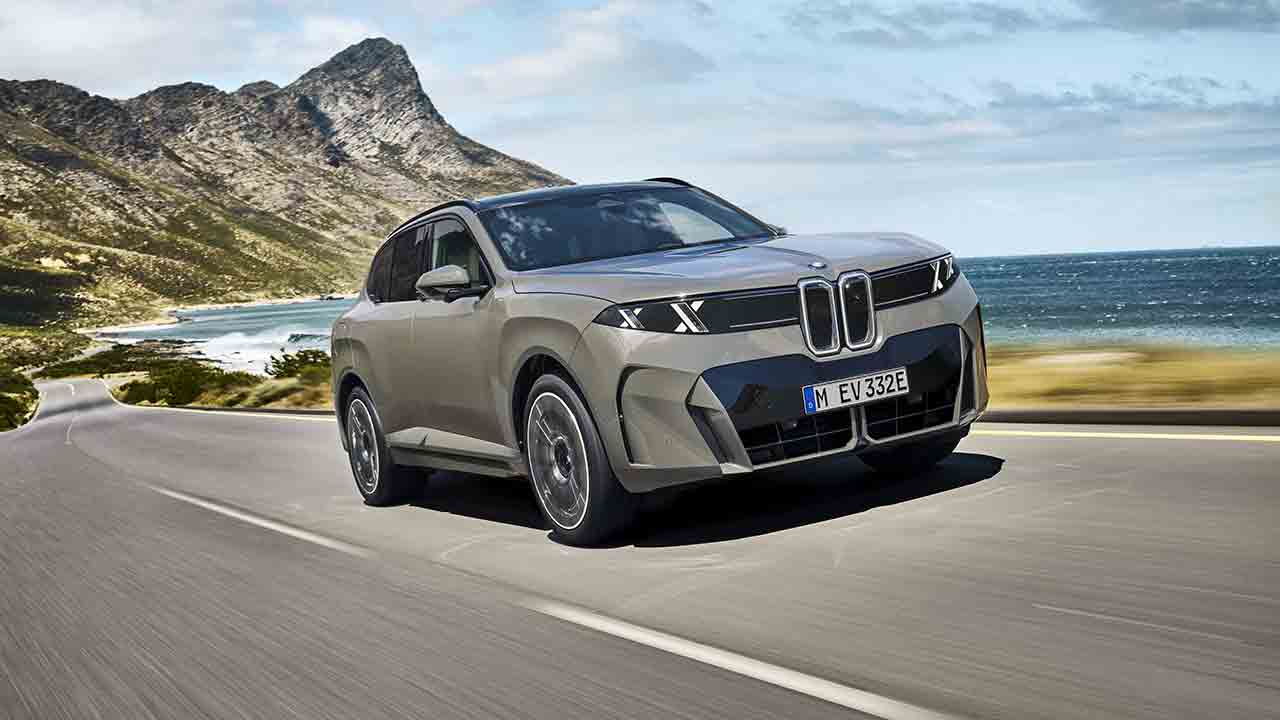
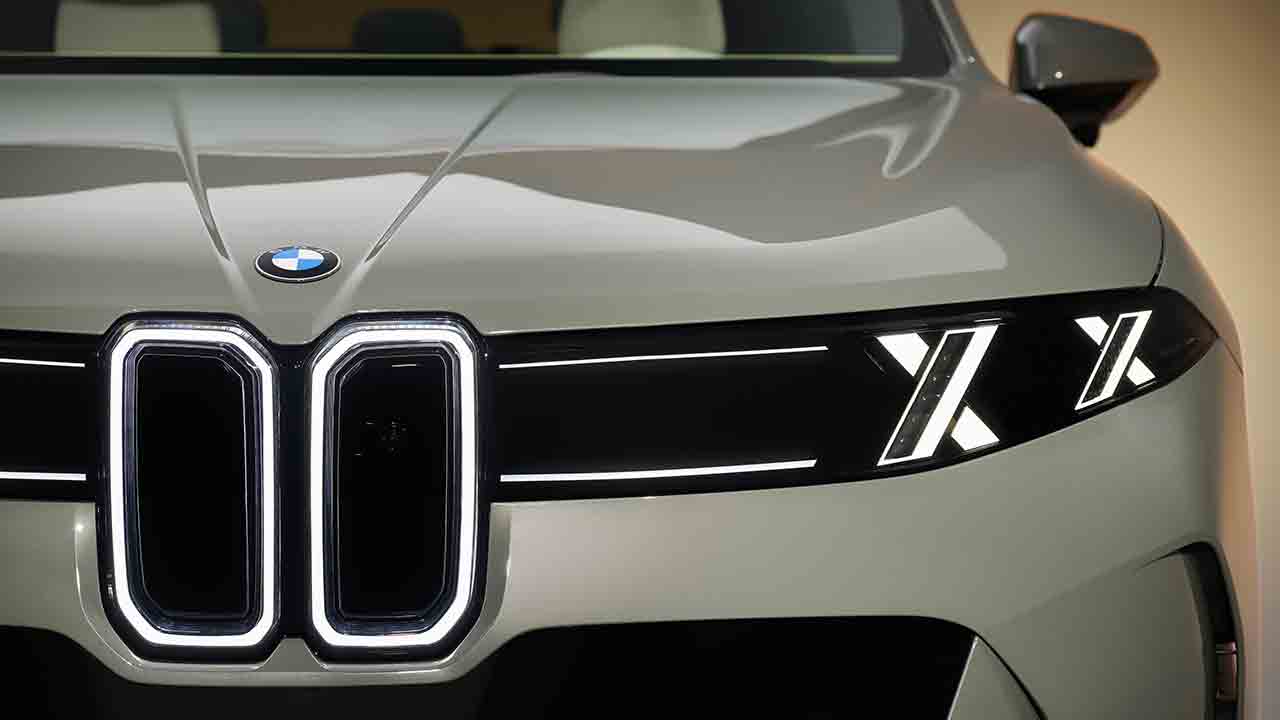
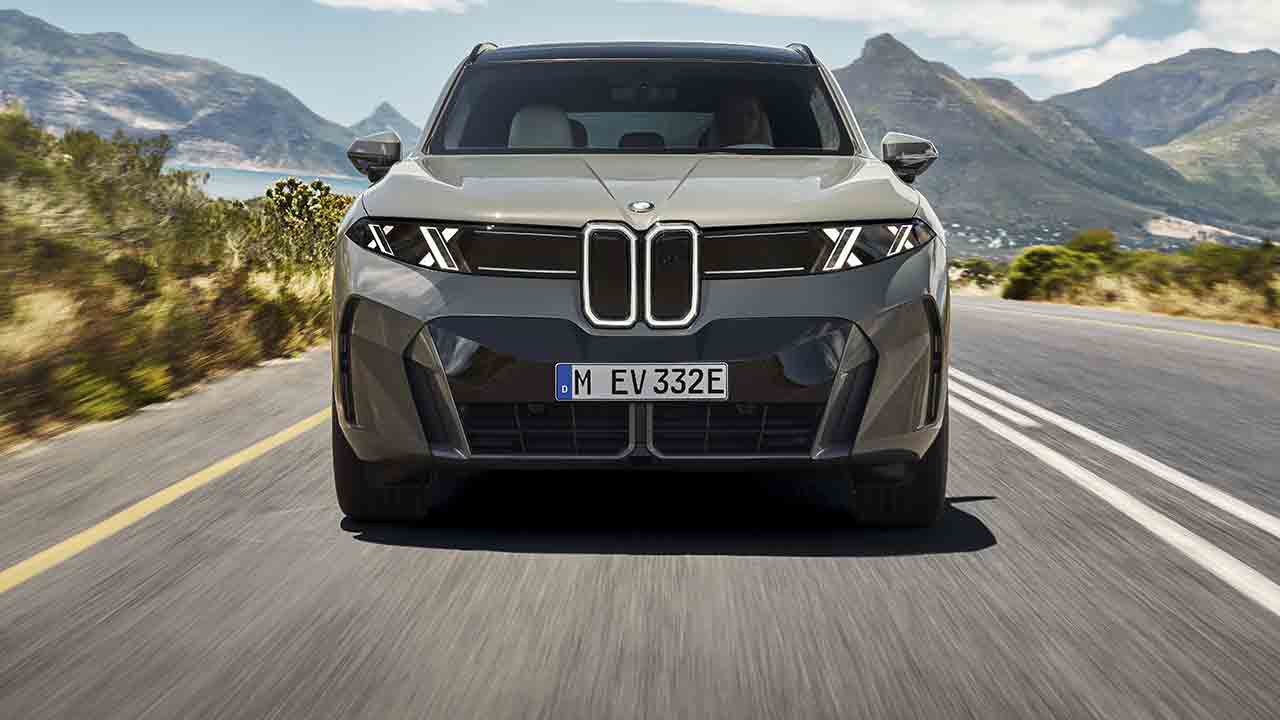
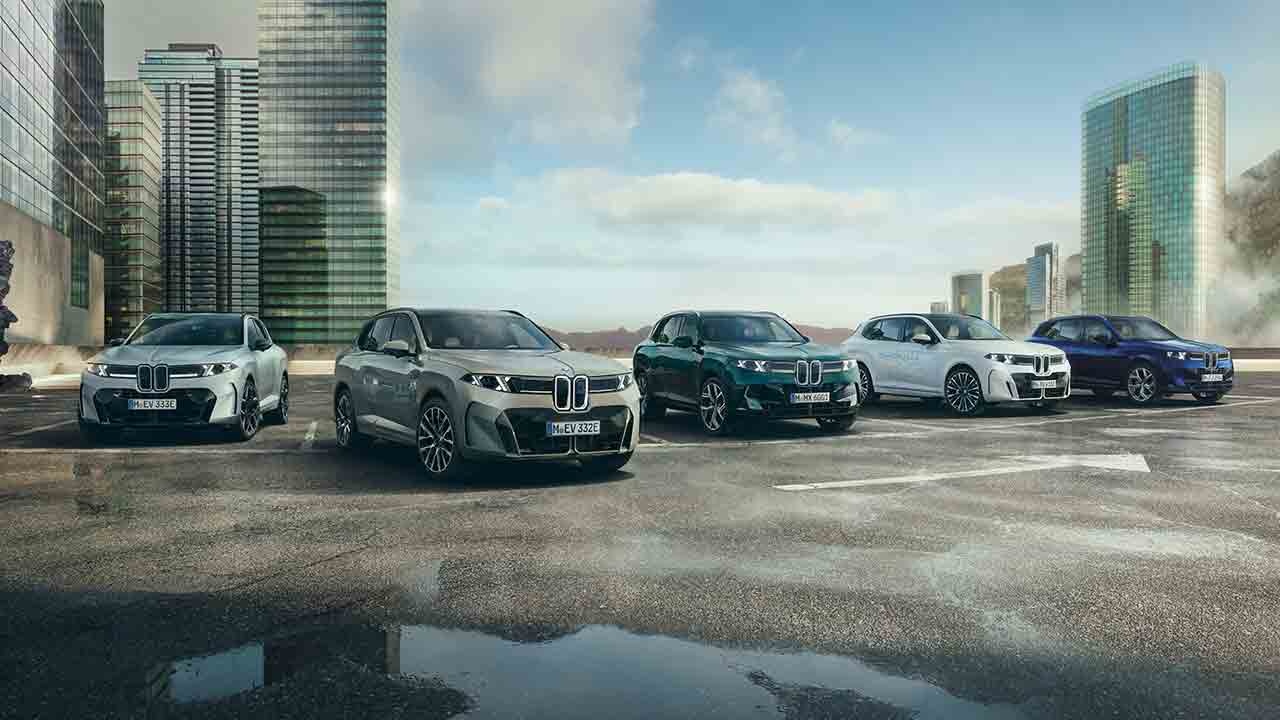
Visually, the new X5 adopts elements of BMW’s Neue Klasse design language, featuring a more upright front end, the illuminated BMW Iconic Glow kidney grille, and a new daytime running light signature shaped like a “double X”. The standout detail is this new lighting design, created to make the SUV instantly recognizable even from a distance.
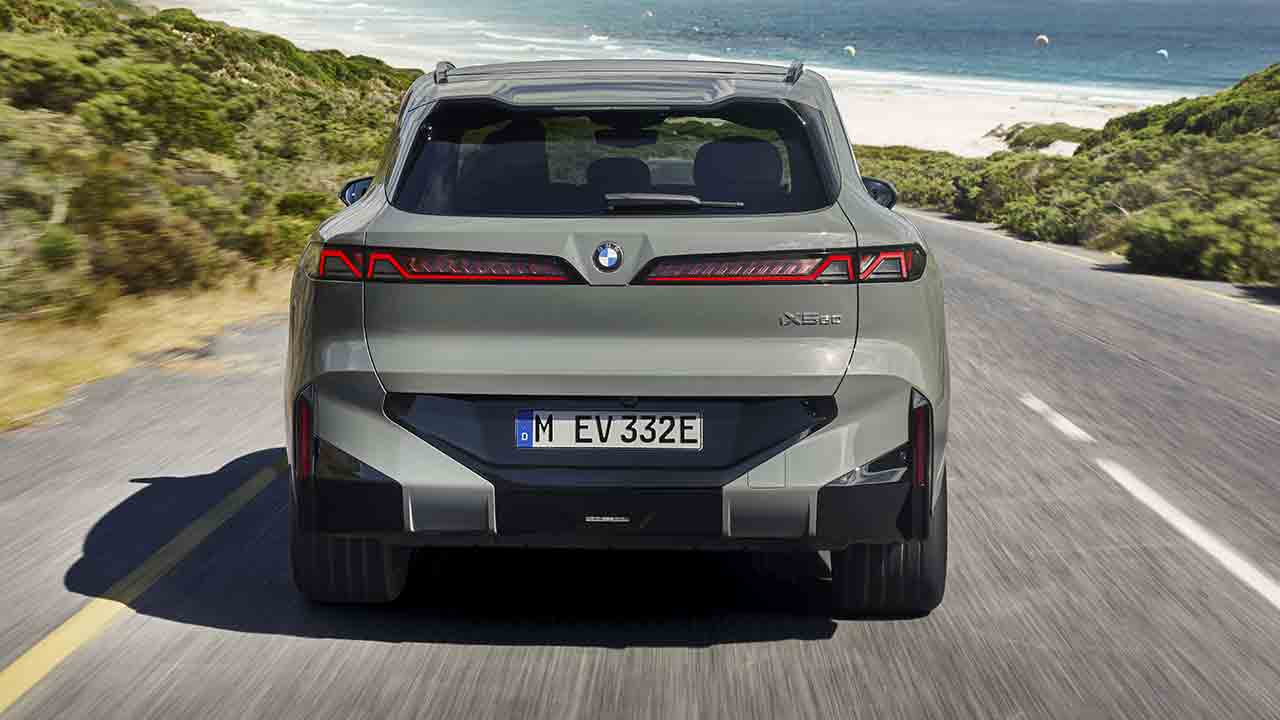
BMW Winglet door handles, optional soft-close doors, and rear lights stretching across nearly the entire width of the vehicle further reinforce the model’s more advanced technological character.
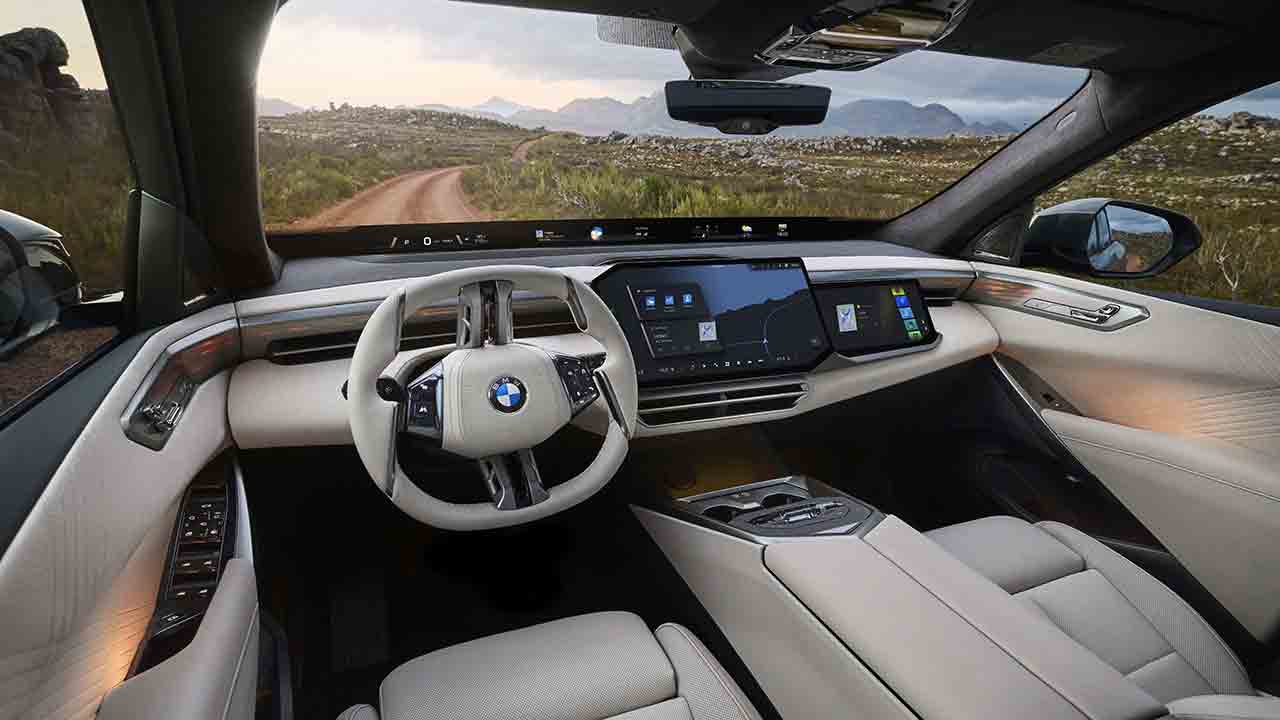
Inside, the X5 has also undergone significant changes. The cabin has been redesigned around the driver and now features BMW Panoramic iDrive, combining a central display, panoramic projection, a 3D head-up display, and a multifunction steering wheel.
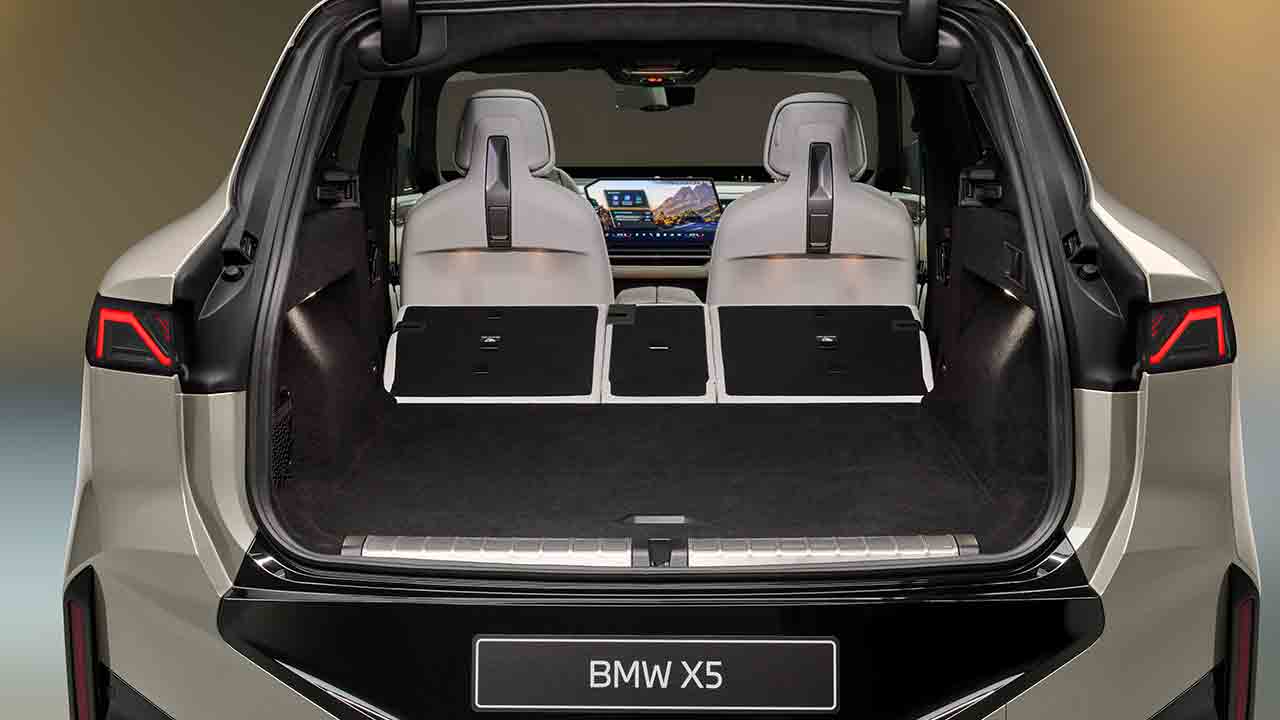
BMW also highlights the use of new materials, including a slate finish presented as the first application of this type of surface in an automobile. Optional features include a passenger display, ventilated and massage seats, a Bowers & Wilkins audio system with Dolby Atmos, and a panoramic glass roof.
Mechanically, BMW promises benchmark driving dynamics for the segment. Every version will come standard with adaptive suspension and a near-perfect 50:50 weight distribution. In the electric iX5, the so-called Heart of Joy acts as a central electronic control unit integrating propulsion, braking, energy recovery, and vehicle dynamics. In the hybrid and combustion-engine models, BMW uses a new-generation dynamic management system that combines traction and stability functions.
The plug-in hybrid lineup will include two variants: the X5 50e xDrive and the X5 M60e xDrive. Both pair a 3.0-liter inline six-cylinder gasoline engine with an electric motor. The usable 26.5-kWh battery allows up to 63 miles of all-electric driving, approximately 101 km under the WLTP cycle. The M60e xDrive produces 612 hp and 800 Nm of torque, accelerating from 0 to 62 mph in 4.5 seconds.
The X5 40d xDrive diesel remains in the lineup with a 3.0-liter engine, a 48-volt mild-hybrid system, and a maximum torque output of 670 Nm. According to BMW, the powertrain was designed to combine long-distance efficiency with strong low-end pulling power, a characteristic still highly valued in large SUVs across Europe.
The new X5 also expands its driver assistance package. Driving Assistant Plus will come standard with adaptive cruise control, distance control, and lane-keeping assistance. As an option, Motorway Assistant will provide Level 2 hands-free driving assistance under certain conditions, along with automatic lane changes confirmed by the driver’s gaze toward the side mirror.
Production will be centered at BMW’s Spartanburg plant in the United States, known by the company as the “Home of X.” The facility has built the X5 since the first generation and will also produce the first fully electric BMW manufactured there. High-voltage batteries for the iX5 will be produced locally at a new battery plant.
The launch in selected markets is scheduled for spring 2027, initially with electric, diesel, and plug-in hybrid versions.
+ Jeep reveals plans to launch three new SUVs for Europe by 2030
Source and images: BMW. This content was created with the assistance of AI and reviewed by the editorial team.
