
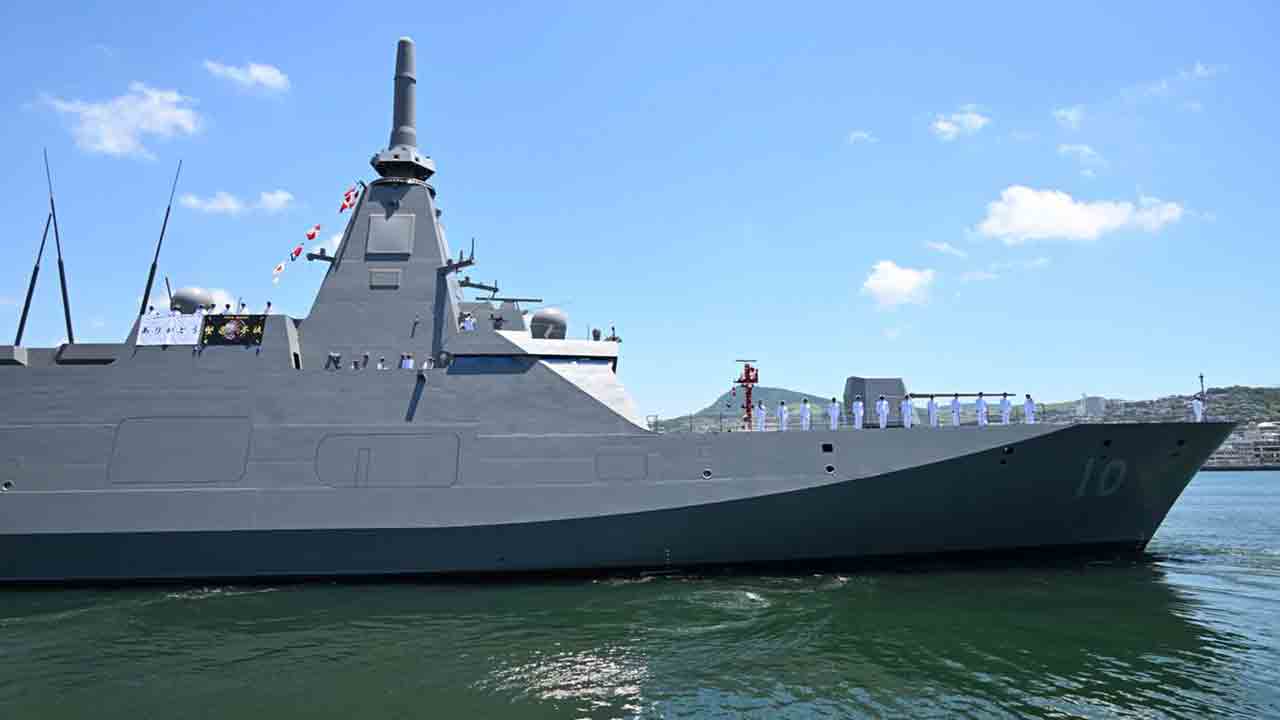
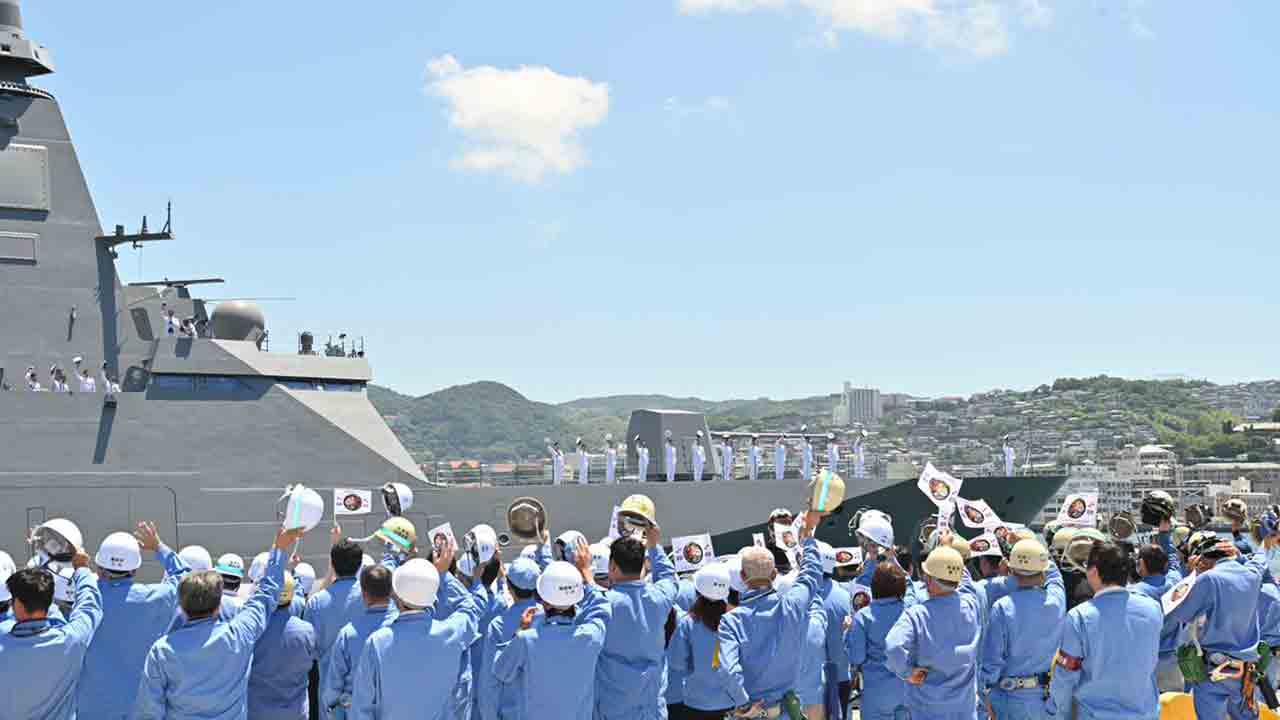
The Japan Maritime Self-Defense Force (JMSDF) has officially commissioned JS Nagara (FFM-10), the tenth Mogami-class frigate, during a ceremony held at the Mitsubishi Heavy Industries (MHI) shipyard in Nagasaki on June 29, 2026.
After entering service, the ship will be assigned to the 2nd Patrol and Defense Squadron, based at Kure Naval Base in Hiroshima Prefecture. Built in approximately three years, the vessel cost around US$323 million and is part of Japan’s plan to modernize its surface fleet.
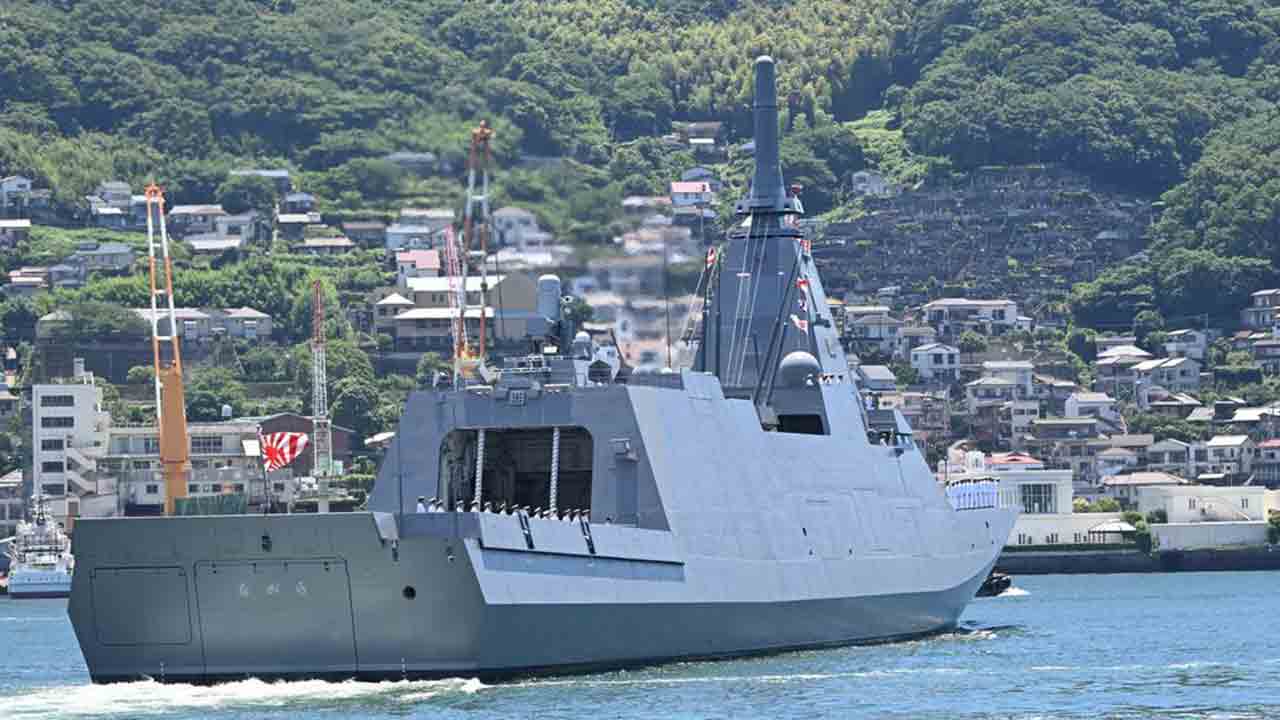
With a displacement of around 5,500 tons, a length of 133 meters and a beam of 16.3 meters, the Mogami class was developed to replace older destroyers and minesweepers, offering greater operational capability with a reduced crew. Thanks to the high level of automation in its navigation and combat systems, each frigate can operate with approximately 90 personnel, less than half the number required by conventional JMSDF destroyers. The vessel also stands out for its stealth-oriented design, CODAG propulsion system and speed of more than 30 knots.
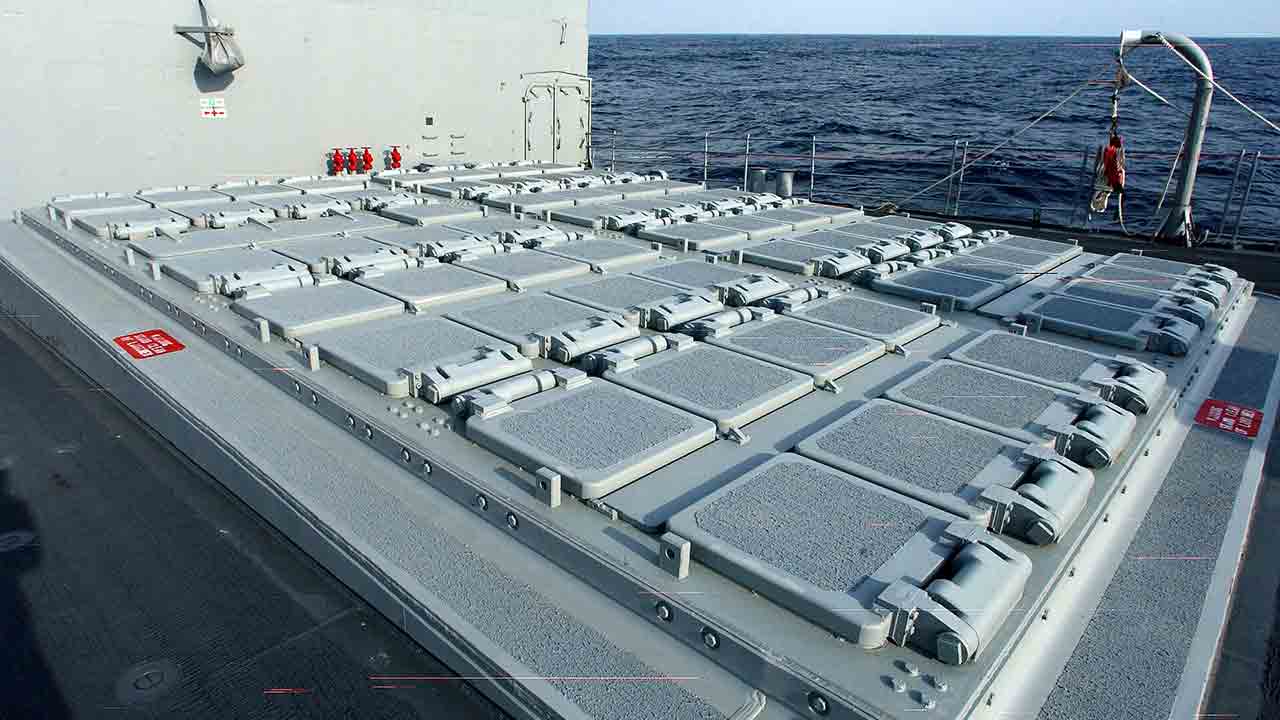
JS Nagara enters service already equipped with the 16-cell Mk.41 Vertical Launching System (VLS), a new feature compared with the first ships of the class, which received or are still expected to receive this equipment after joining the fleet. The early installation was possible despite delays caused by the COVID-19 pandemic and the global shortage of semiconductors, factors that affected the production of launchers manufactured under license by Mitsubishi Heavy Industries. In addition to the VLS, the frigate features a multifunction radar, SeaRAM air-defense system, Type 17 anti-ship missiles and several sensors designed for anti-submarine and mine warfare operations.
Construction of the Mogami-class frigates began in 2019 and represents Japan’s largest naval shipbuilding program since the end of World War II. The Japanese government plans to commission 12 Mogami-class ships by the end of fiscal year 2027 and another 12 New FFM frigates, a modernized version, by 2032. The project has also attracted international interest: Australia has already selected the New FFM for its new frigate program, while New Zealand is evaluating the vessel as one of the finalists to renew its combat fleet.
Source: Naval News / Militarnyi | Photos: Japan Maritime Self-Defense Force (JMSDF) | This content was created with the help of AI and reviewed by the editorial team
