
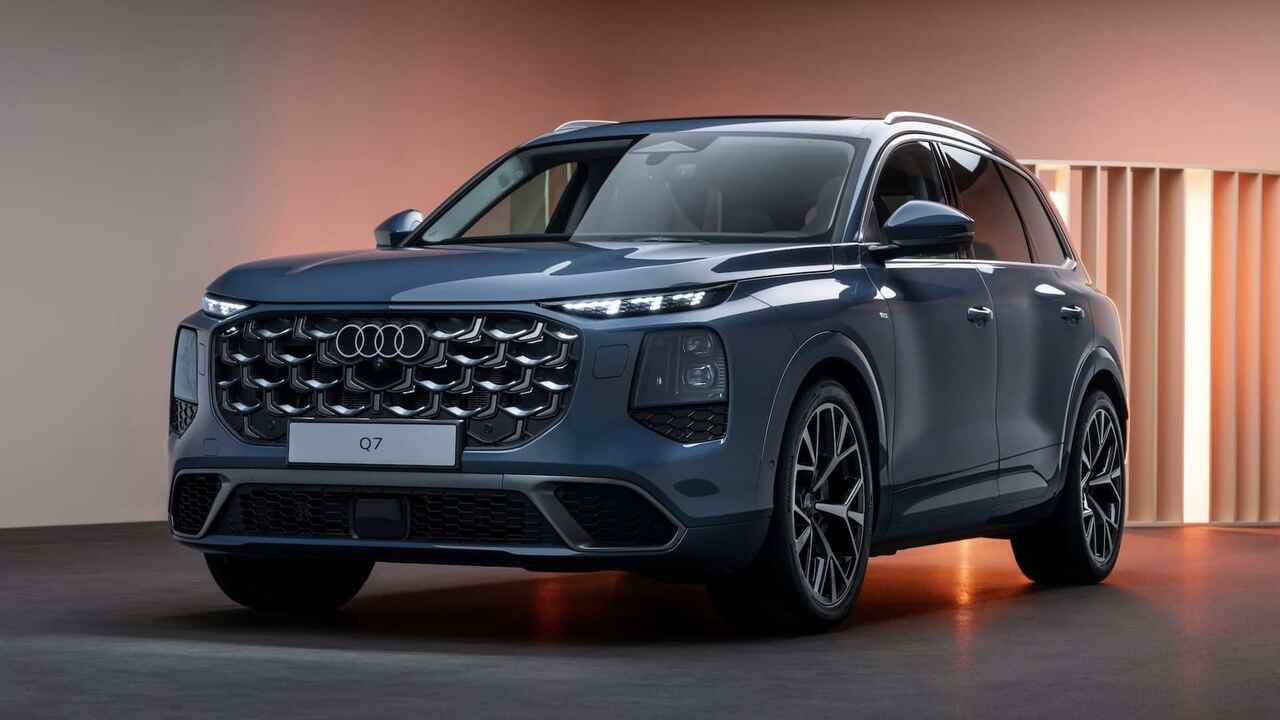
Audi has officially revealed the third generation of the Q7, marking the SUV’s biggest overhaul since the launch of the current generation in 2015.
According to Road and Track, the new Q7 was developed on the PPC (Premium Platform Combustion) platform, an evolution of the architecture used by Audi’s latest combustion-engine models.
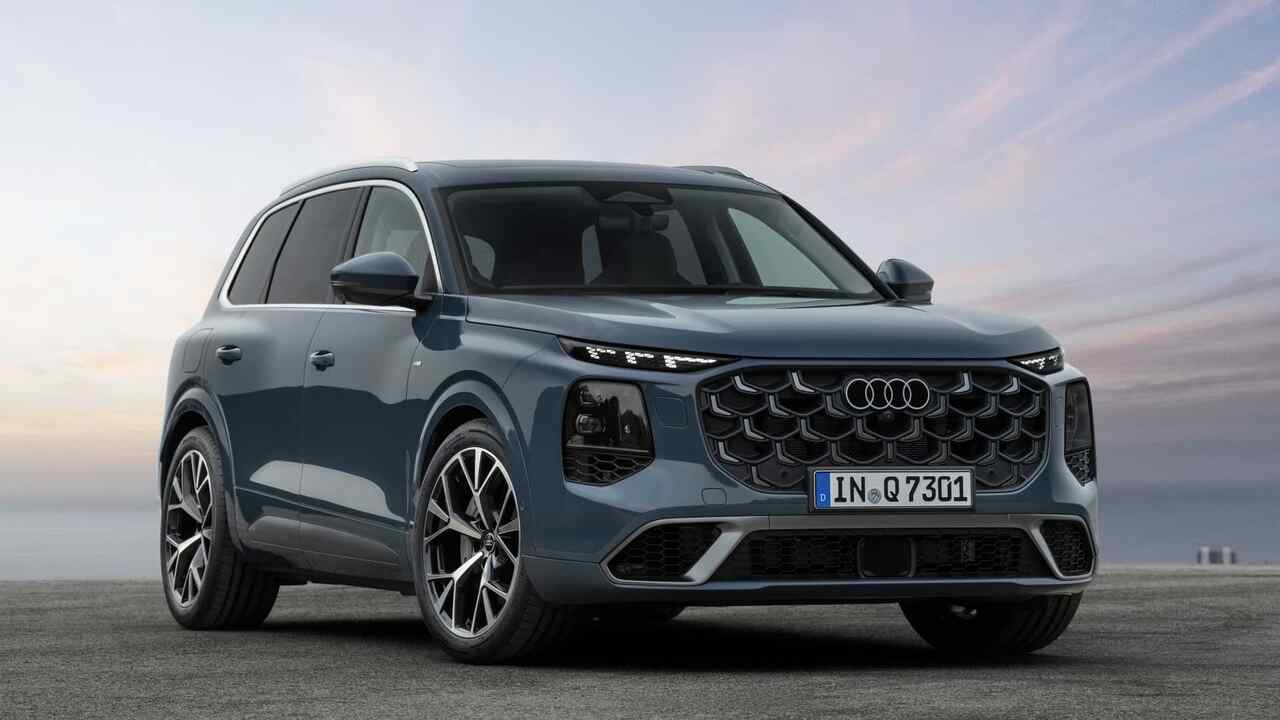
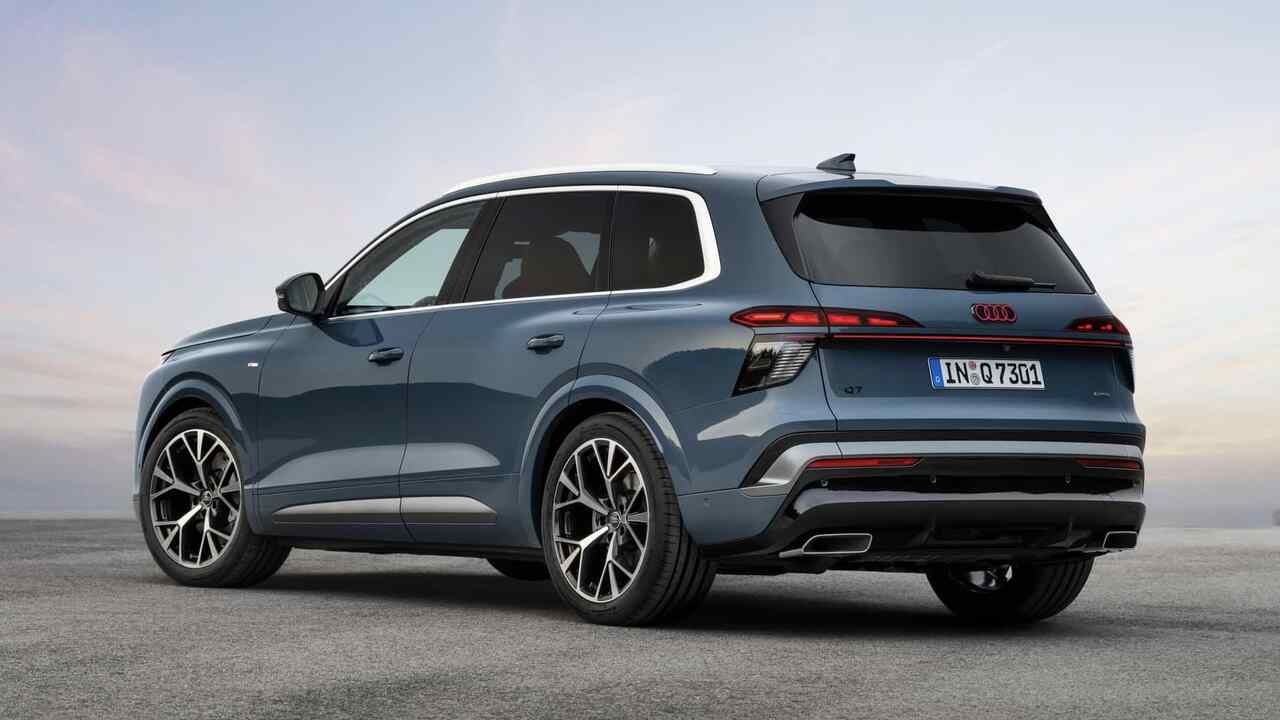
Although it retains proportions similar to its predecessor, the SUV is slightly larger and has received a more upright body, increasing interior space. Visual updates include new Digital Matrix LED headlights, capable of projecting information and alerts onto the road, as well as next-generation OLED taillights with configurable light signatures.
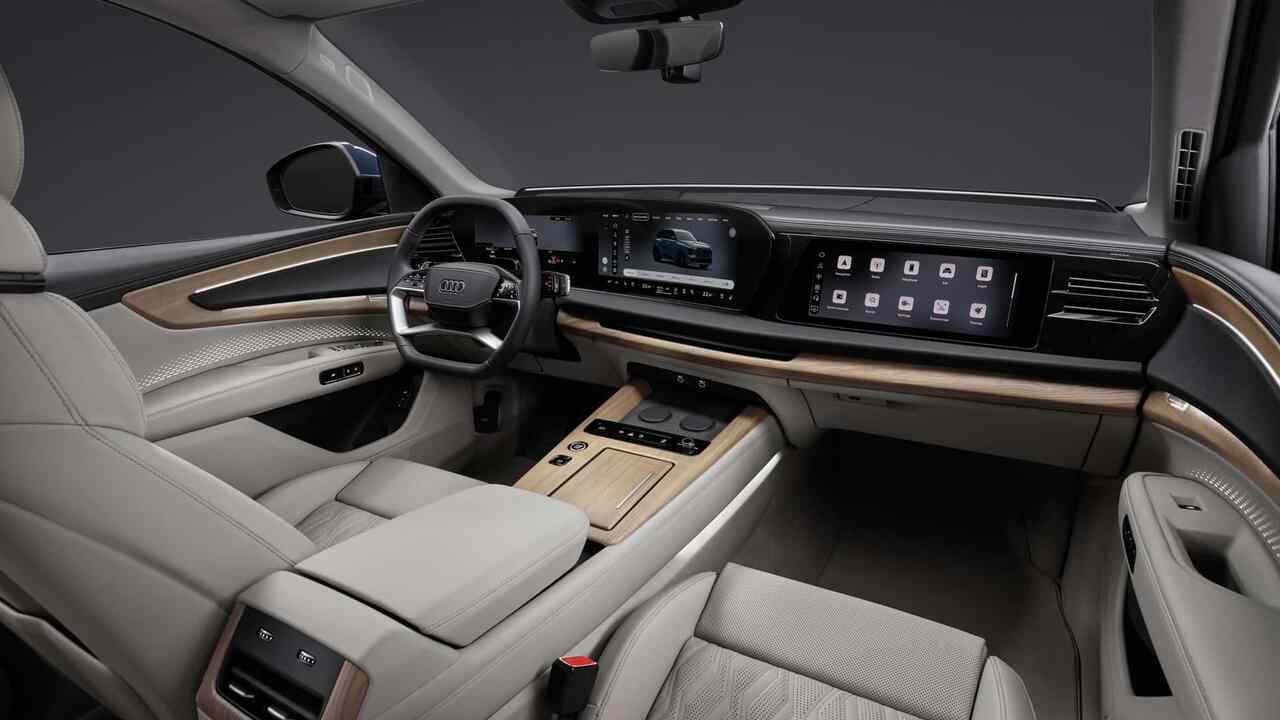
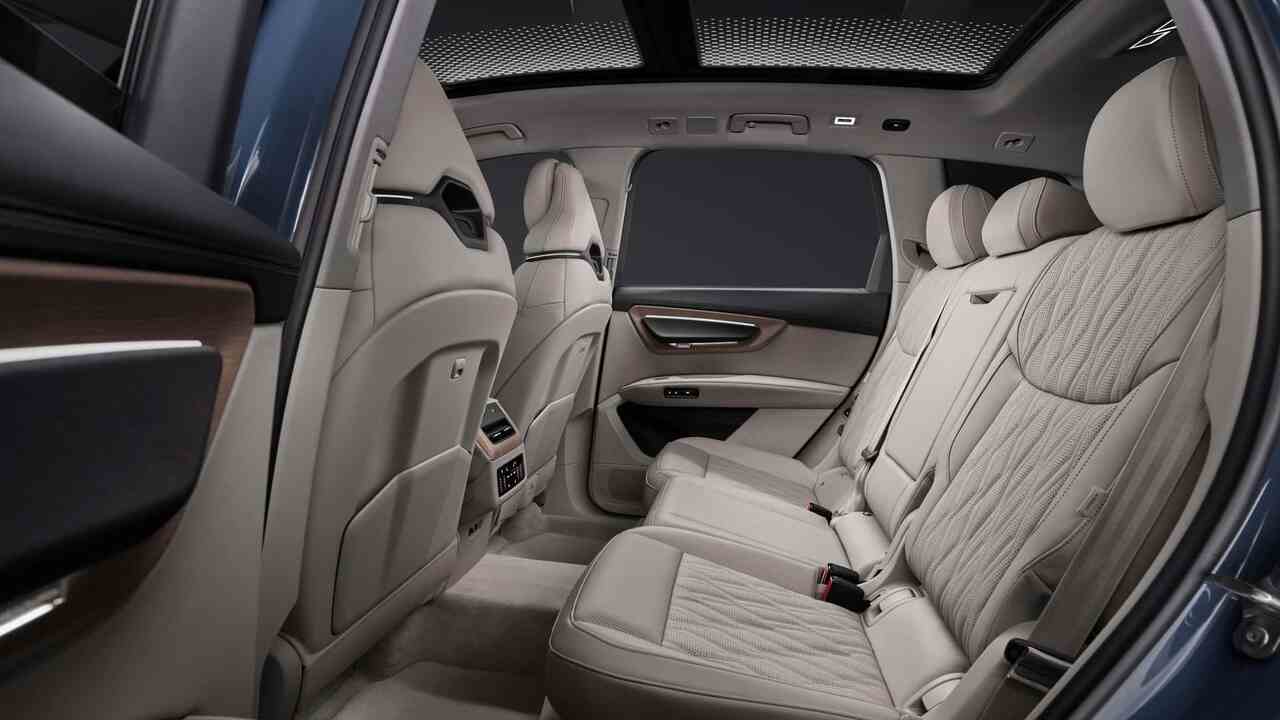
Inside, Audi has opted for a fully digital dashboard with curved OLED screens, new multimedia systems, and a more sophisticated finish. For the first time, the Q7 can be configured with individual seats in the second row, reducing capacity to six passengers, or retain the traditional seven-seat layout.
The engine lineup varies depending on the market. In Europe, the SUV will initially launch with turbodiesel options delivering up to 299 hp, while in the United States the model debuts with a 429 hp twin-turbo V6. The sporty SQ7 version retains a 591 hp twin-turbo V8 engine, capable of accelerating from 0 to 100 km/h in around 3.7 seconds.
First deliveries are scheduled for the second half of 2026, although pricing has not yet been announced. The launch comes at an important moment for Audi, as the brand seeks to renew its SUV lineup ahead of the arrival of the all-new Q9, its future flagship model.
Photos: Audi. This content was created with the help of AI and reviewed by the editorial team.
