

The United Kingdom’s Royal Air Force is facing a growing challenge with its aging fleet of Hawk T1 jet trainers.
Data released by the Ministry of Defence reveals that 14 of the 24 remaining aircraft have already exceeded 80% of their structural service life, an indicator that measures the accumulated wear on an aircraft over its years of operation.
The information came to light following questions from Conservative MP Ben Obese-Jecty, who is seeking clarification regarding the current condition of the fleet. The government also confirmed that two aircraft have been officially retired since January 2025, further reducing the number of available airframes.
Introduced into RAF service in the late 1970s, the Hawk T1 no longer performs its original role as an advanced trainer. Today, the aircraft’s primary operator is the Red Arrows aerobatic display team, whose performances have become one of the most recognizable symbols of British military aviation.
Despite the significant wear affecting part of the fleet, the Ministry of Defence maintains that sufficient service life remains to keep the Red Arrows in operation until 2030.
Replacement for the Hawk T1
The replacement for the Red Arrows’ Hawk T1 aircraft has not yet been officially selected by the UK Ministry of Defence, but the trend points toward a new advanced jet trainer capable of meeting both pilot training requirements and the needs of an aerobatic display team.
In a statement to the British Parliament, the government said that the Strategic Defence Review recommended replacing both the Hawk T1 and T2 with a more cost-effective advanced jet trainer. The future platform for the Red Arrows will be evaluated as part of the same process.
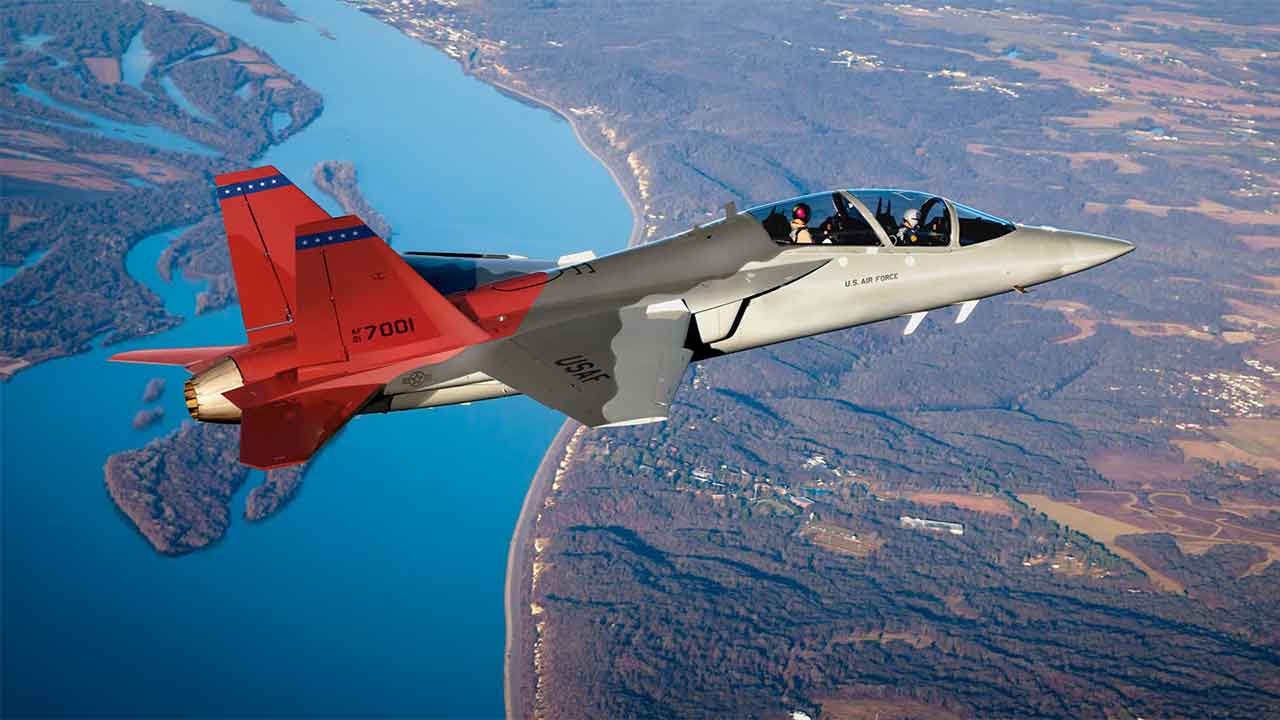
Among the most frequently mentioned candidates is a proposal based on the Boeing-Saab T-7, which gained momentum after BAE Systems announced a partnership with Boeing and Saab to compete for the future British program. The T-7 was developed as an advanced trainer for the United States Air Force, and a UK version could preserve British industrial participation, particularly if final assembly or part of the production takes place in the country.
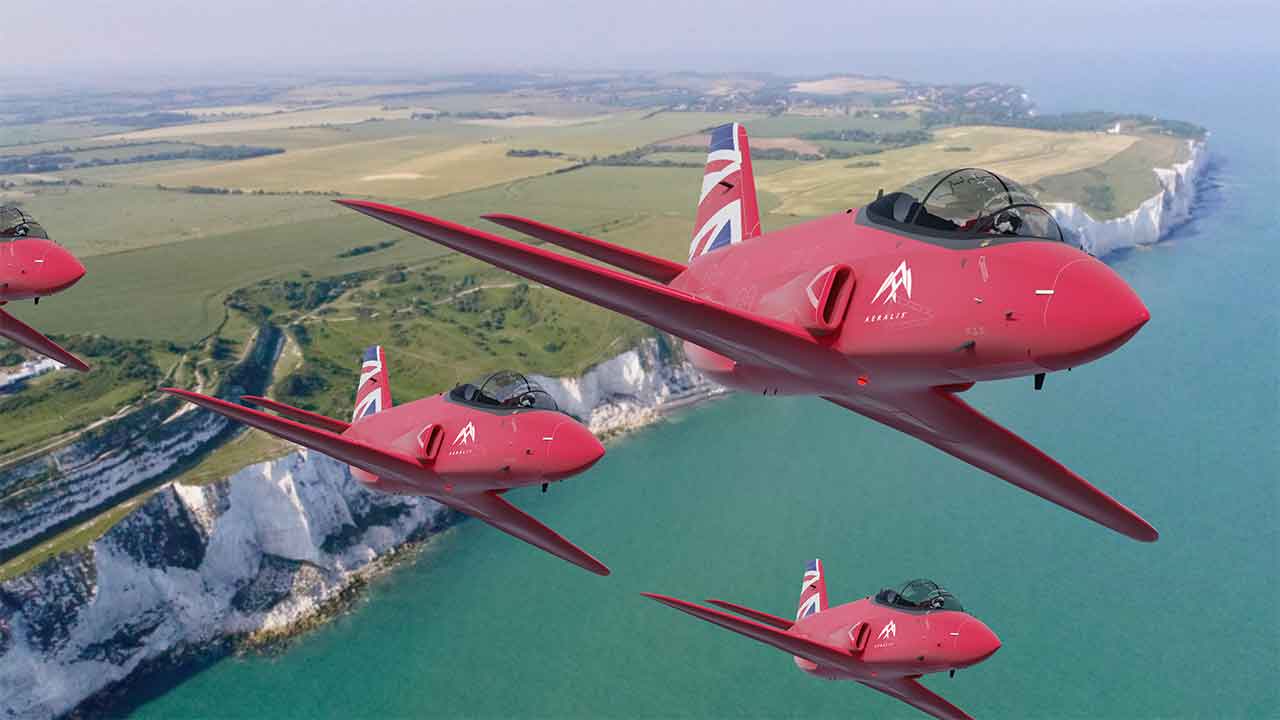
Another option under consideration is Aeralis’s modular aircraft project. The British company advocates a domestically developed aircraft to replace the Hawk and sustain jobs in the UK aerospace sector. International contenders such as the Leonardo M-346 and the KAI T-50 Golden Eagle are also in the running. However, the final selection is expected to weigh not only performance and cost, but also political factors, supply-chain considerations, maintenance requirements, and the symbolic value of keeping the Red Arrows connected to the British aerospace industry.
Source: UK Defence Journal | Photo: X @rafredarrows | Saab | AERALIS | This content was created with the assistance of AI and reviewed by the editorial team.
