
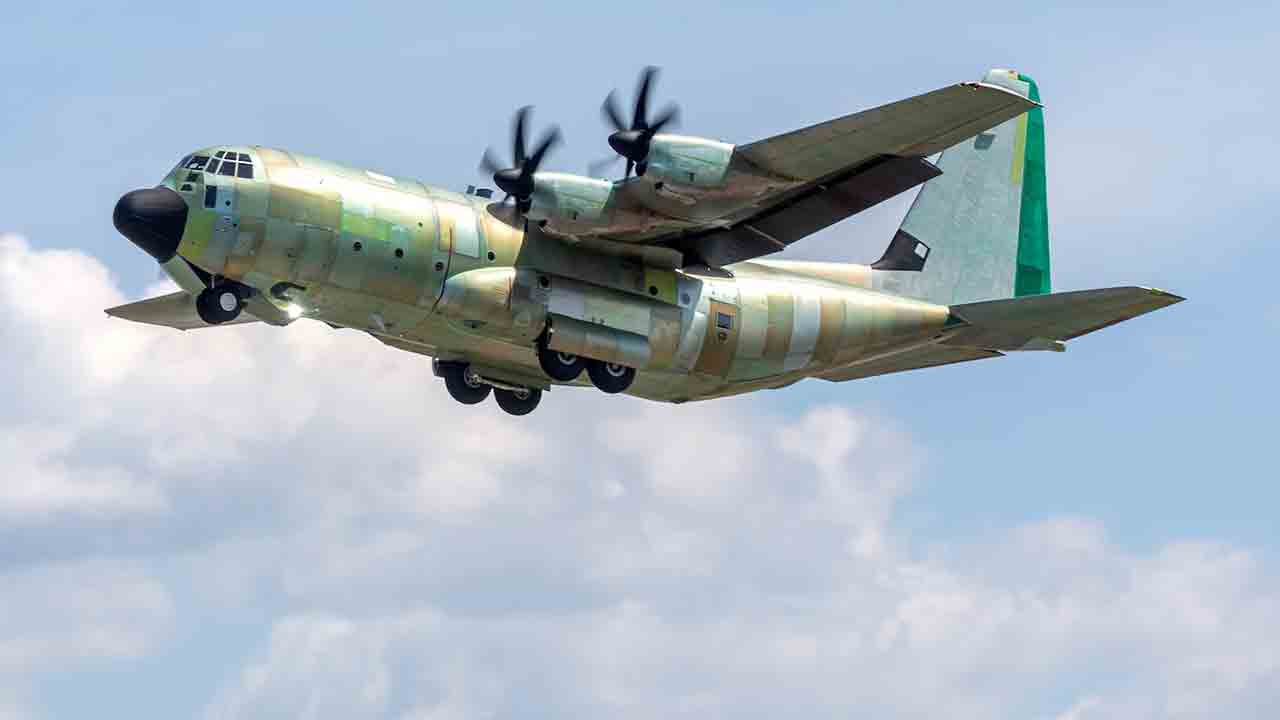
The United States Coast Guard has received its 19th HC-130J Super Hercules long-range surveillance aircraft, further advancing the modernization of its air fleet for search and rescue, maritime security, and law enforcement missions.
The aircraft, designated CGNR 2019, was delivered by Lockheed Martin Aeronautics in Marietta, Georgia, on April 10, 2026. Following warranty and logistics flights conducted by the Coast Guard Aviation Projects Acquisition Center in Elizabeth City, North Carolina, the aircraft began its operational adaptation process on June 3, a necessary step toward becoming fully mission-ready.
The HC-130J is the long-range search-and-rescue variant based on the C-130J and is gradually replacing older aircraft in the fleet. Compared to the HC-130H, the newer version features more advanced engines and propellers, enabling a 20% increase in speed and altitude, as well as a 40% increase in range.
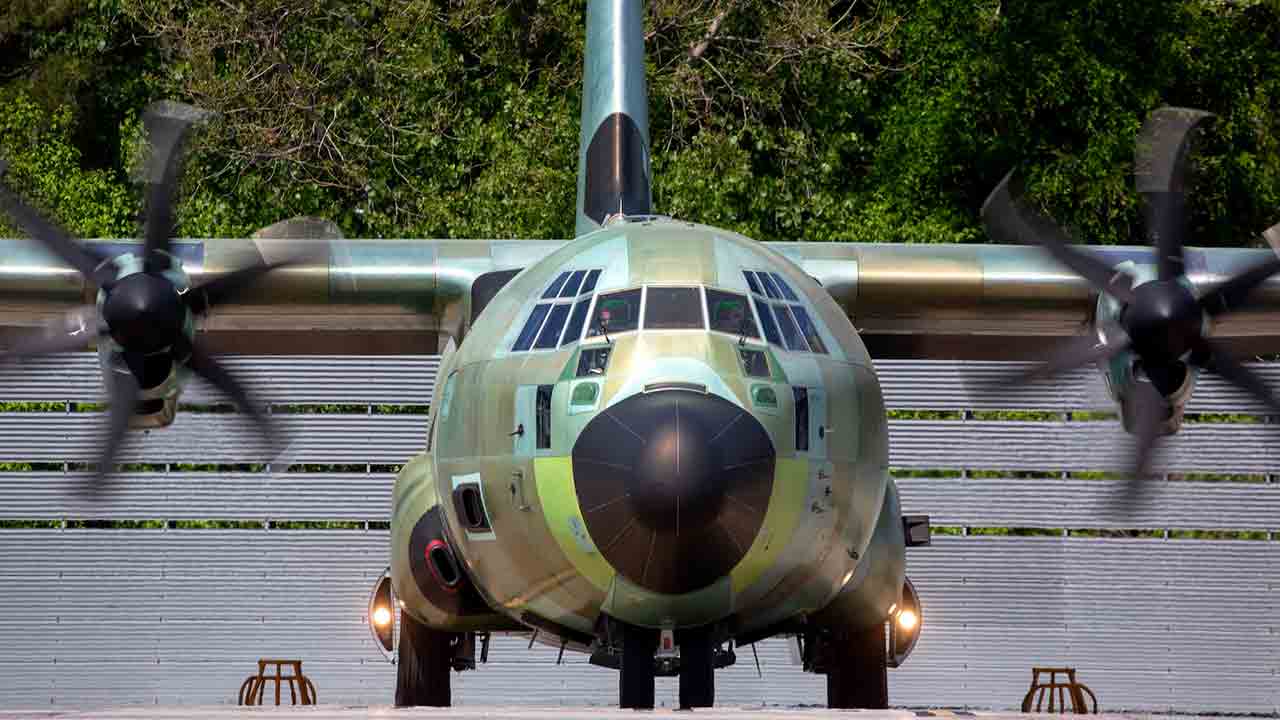
One of the standout features of CGNR 2019 is that it is the first C-130J delivered to the Coast Guard with the Block 8.1 upgrade installed during initial production by Lockheed Martin. The package includes improvements to approach and landing systems, expanded diagnostic capabilities, and civilian GPS functionality, making the aircraft more effective during complex operations.
According to the Coast Guard, these enhancements allow the aircraft to fly farther, remain on station longer, and respond more rapidly to emergencies. With an endurance of more than 20 hours, the HC-130J can perform search-and-rescue missions, drug interdiction and irregular migration operations, law enforcement tasks, cargo and personnel transport, and the protection of U.S. maritime borders and coastal approaches.
“Each new HC-130J we add to the fleet dramatically expands our operational reach and maritime domain awareness,” said Rear Admiral Mike Campbell, Director of Systems Integration and Assistant Commandant for Coast Guard Aviation. He noted that CGNR 2019 reinforces the commitment to providing crews with advanced command-and-control platforms for demanding missions across the globe.
Before entering full service, the aircraft will undergo a “missionization” process conducted by L3Harris Integrated Mission Systems in Waco, Texas. During this phase, mission-specific Coast Guard equipment will be installed, including the Minotaur Mission System Suite, which provides real-time tracking and integration with the Rescue 21 network.
The aircraft will also receive an electro-optical and infrared sensor turret, along with a multimode surface-search radar mounted beneath the fuselage, providing 360-degree coverage. This equipment transforms the HC-130J into an airborne platform for surveillance, command and control, and real-time data sharing with operational forces and partner agencies.
Expansion of the HC-130J fleet is supported by the Fiscal Year 2025 reconciliation budget, which includes investments to extend operations of the aircraft to two additional air stations. As a result, the total number of funded aircraft will reach 25.
Currently, the Coast Guard operates the HC-130J from three bases: Elizabeth City, North Carolina; Kodiak, Alaska; and Barbers Point, Hawaii. Following the completion of its adaptation process, expected by mid-2027, CGNR 2019 will support the transition of Air Station Sacramento, California, from C-27J operations to the HC-130J.
+ After delays, Bundeswehr could receive first modernized Kodiaks in 2026
Source and images: Department of Homeland Security. This content was created with the assistance of AI and reviewed by the editorial team.
