
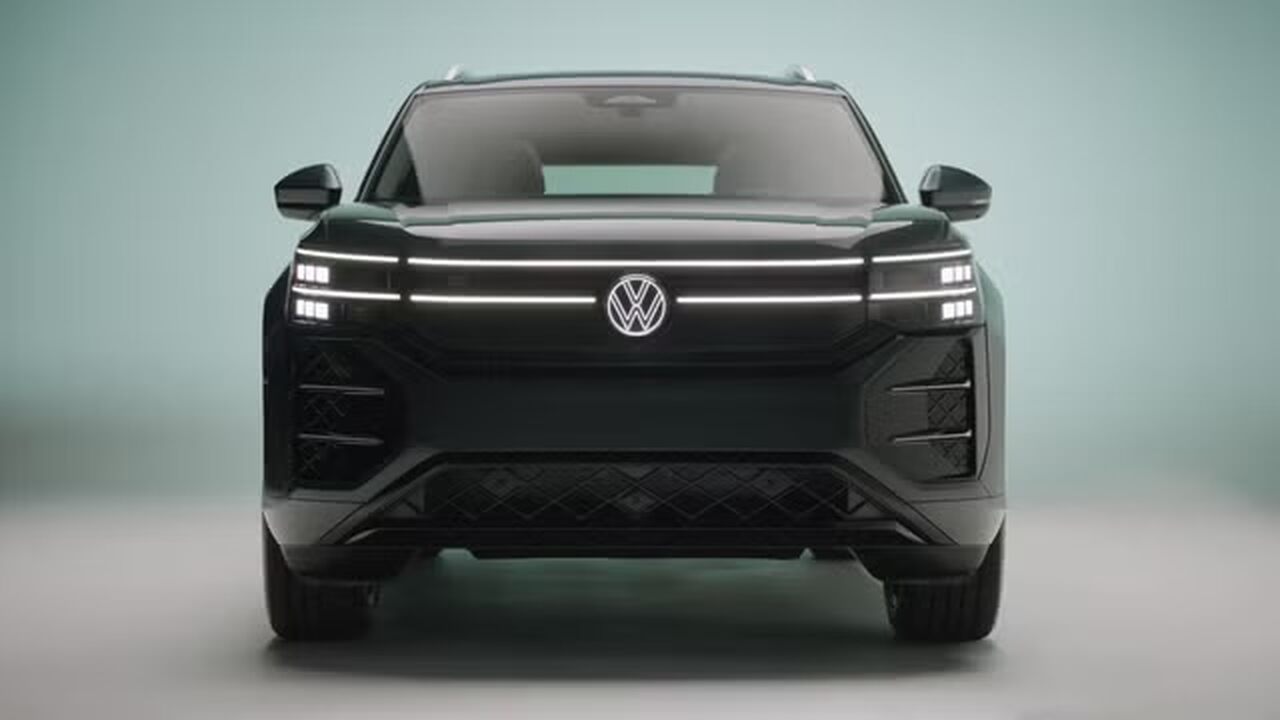
Volkswagen has unveiled the second generation of the Atlas, its midsize SUV, for 2027, as it prepares for its official debut at the New York Auto Show.
For the second generation, there are several important changes to note, including sharper exterior styling combined with a more refined interior, along with a more powerful engine and additional safety features.
According to Car and Driver, the Atlas is built on the MQB Evo platform, an evolution of the architecture that has underpinned the SUV since its debut in 2018. The width, height, and wheelbase remain the same, but the length has increased by a few centimeters.
At the front, it retains the squared “jaw” look of the first generation, as well as pronounced fenders and a boxy profile. In addition, there are two LED light strips in the headlights that extend through the grille, which now features a body-colored panel in the center.
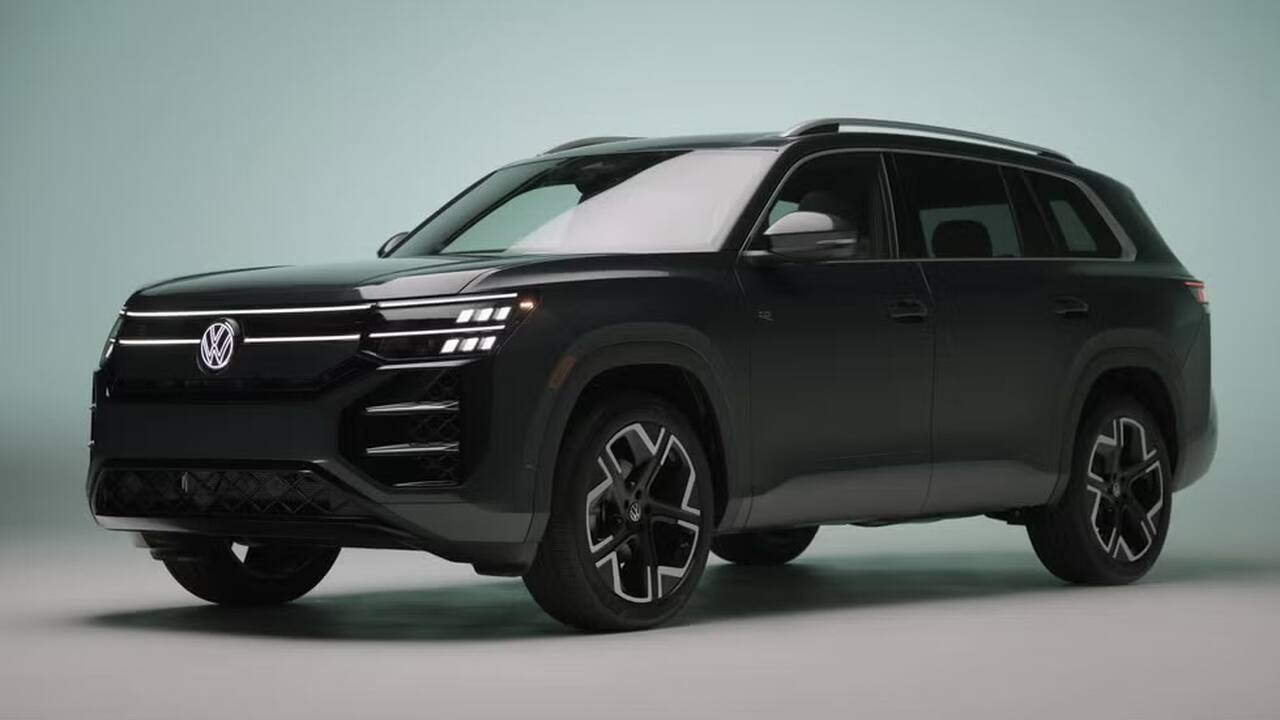
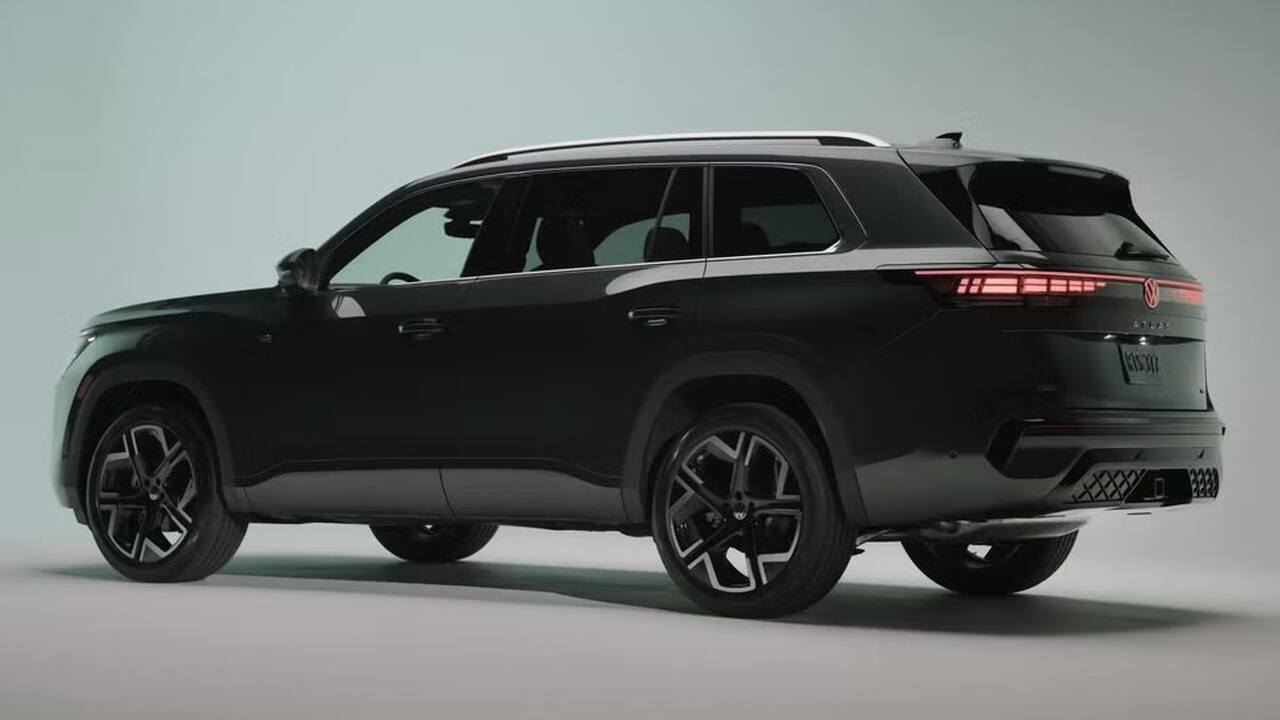
At the rear, there is a larger spoiler and a full-width taillight with LED squares that echo the headlights. Illuminated door handles are available at both the front and rear. New 20- and 21-inch alloy wheels are available, while only the base trim sticks with 18-inch wheels.
Under the hood, the Atlas gets the latest version of the turbocharged 2.0-liter four-cylinder EA888. It produces 13 more horsepower than the previous 282 hp, though torque drops from 370 Nm to 350 Nm. Front-wheel drive is standard and all-wheel drive remains optional, and the Atlas can still tow up to 2,268 kg.
The Atlas continues to use an eight-speed automatic transmission, while Volkswagen promises improved fuel efficiency. VW also stated that a hybrid version is planned for a mid-cycle update, so at the current pace, don’t expect it before 2030.
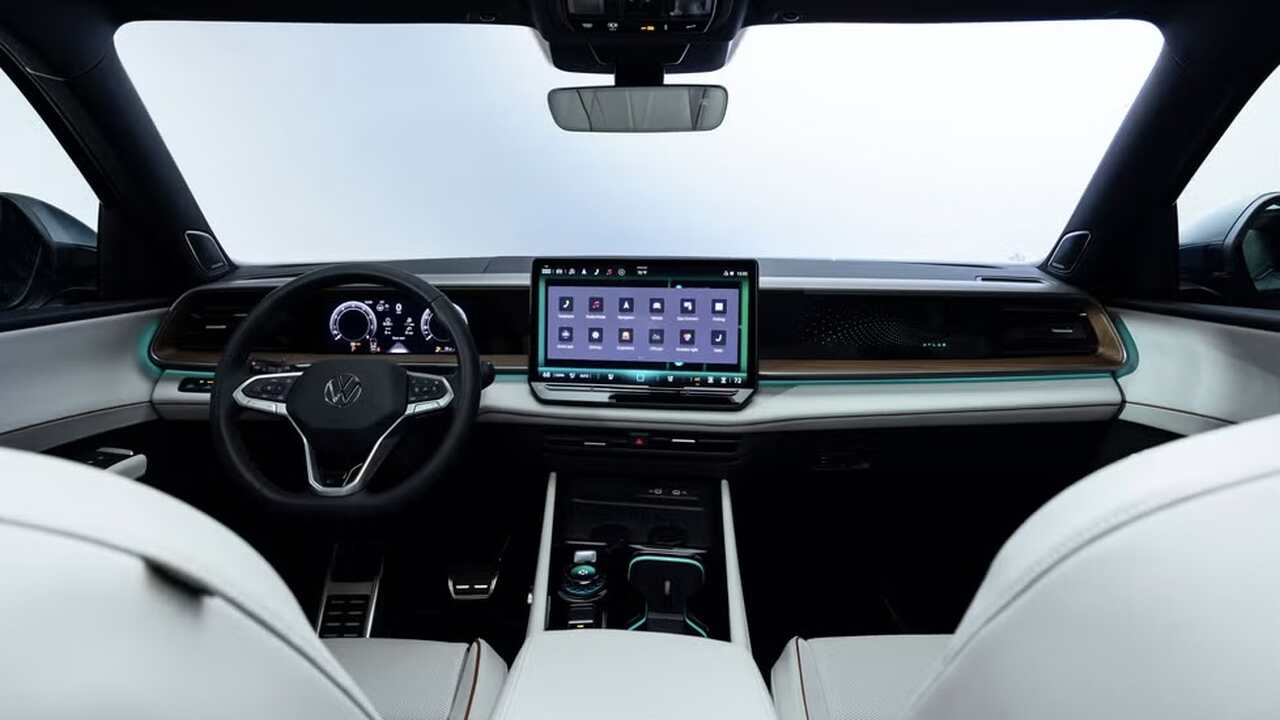
Inside, the cabin appears more modern. In addition to ambient lighting, the center console features a new multifunction knob. While it is primarily used to adjust volume, pressing it opens the drive mode selector. Turning it to the left activates the Atmospheres mode, a feature that combines lighting and audio settings.
The small knob is paired with a large 15-inch central touchscreen on all trims except the base Atlas, which gets a 12.9-inch display. A 10.3-inch digital instrument cluster is standard across the lineup.
VW has relocated the gear selector to the steering column, freeing up space in the center console for a pair of Qi2 wireless chargers, which use magnets to keep your phone in place and are designed to prevent overheating.
Two leather upholstery options are available, with the SEL trim featuring Varenna leather and the SEL Premium R-Line using nappa leather, while the base model comes with synthetic leather. The interior is available in three color schemes: light gray and dark gray, black, and a new “deep wine” shade.
Volkswagen has enhanced safety with a front center airbag and improvements to driver assistance systems. Travel Assist, which combines adaptive cruise control and lane-keeping, can now also perform lane changes at the driver’s command. Emergency Assist can slow the vehicle and bring it to the shoulder in case of a medical emergency, while Park Assist Plus is now included on the top trim.
For the exterior, three new colors are available: Blackberry, Sandstone, and Sacramento Green. According to VW, more details and pricing will be announced before its launch later this year. For now, Car and Driver speculates a slight price increase from the $40,785 required to purchase a base 2026 Atlas.
Photos: Volkswagen. This content was created with the help of AI and reviewed by the editorial team.
