
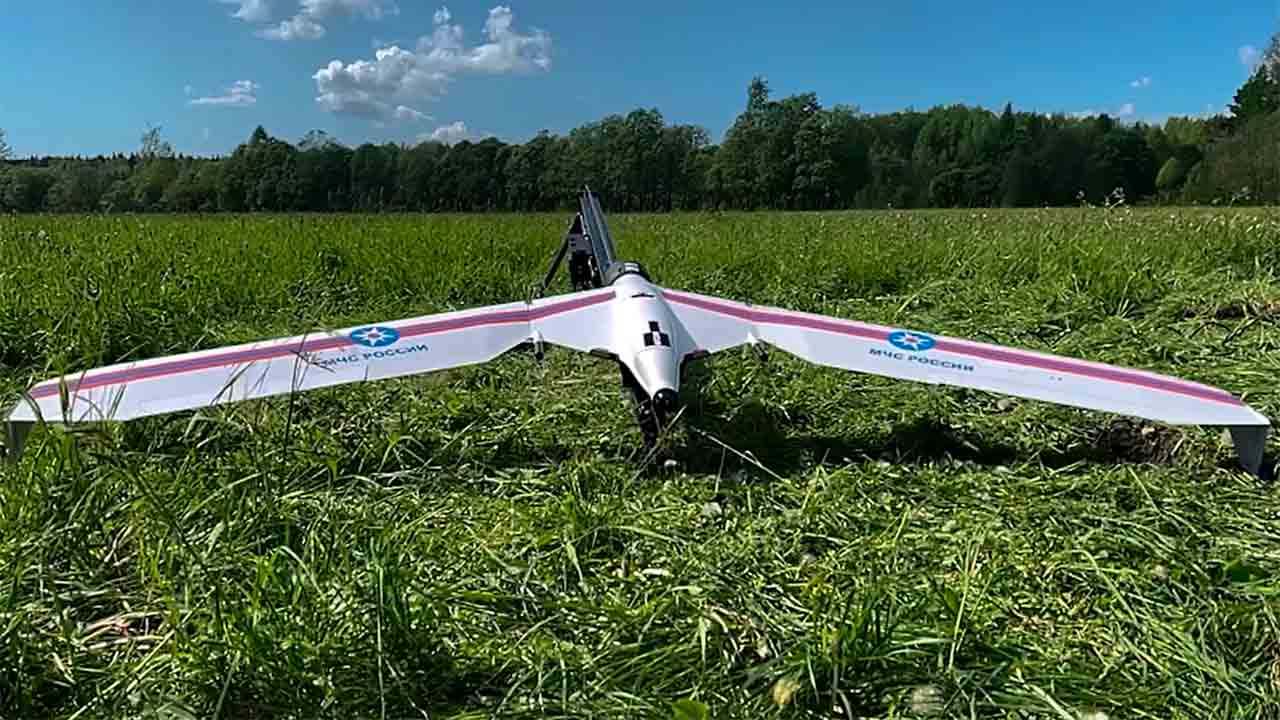
The Russian Ministry of Emergency Situations has begun testing the unmanned ZALA ZARYA drone, originally designed for military purposes, now adapted for large-scale forest fire fighting.
+ Click here to watch the video
The ZALA ZARYA-1 and ZARYA-1M models, already used in more than 60 Russian cities to monitor floods, detect fires, and support rescue missions, have been upgraded with embedded artificial intelligence systems.
+ Poland receives new batch of Abrams tanks and strengthens armored brigade
The technology, developed by the company ZALA Aero, is the same used in military drone versions deployed in the war in Ukraine, where they are used to identify enemy targets and support precision strikes.
AI technology for emergencies
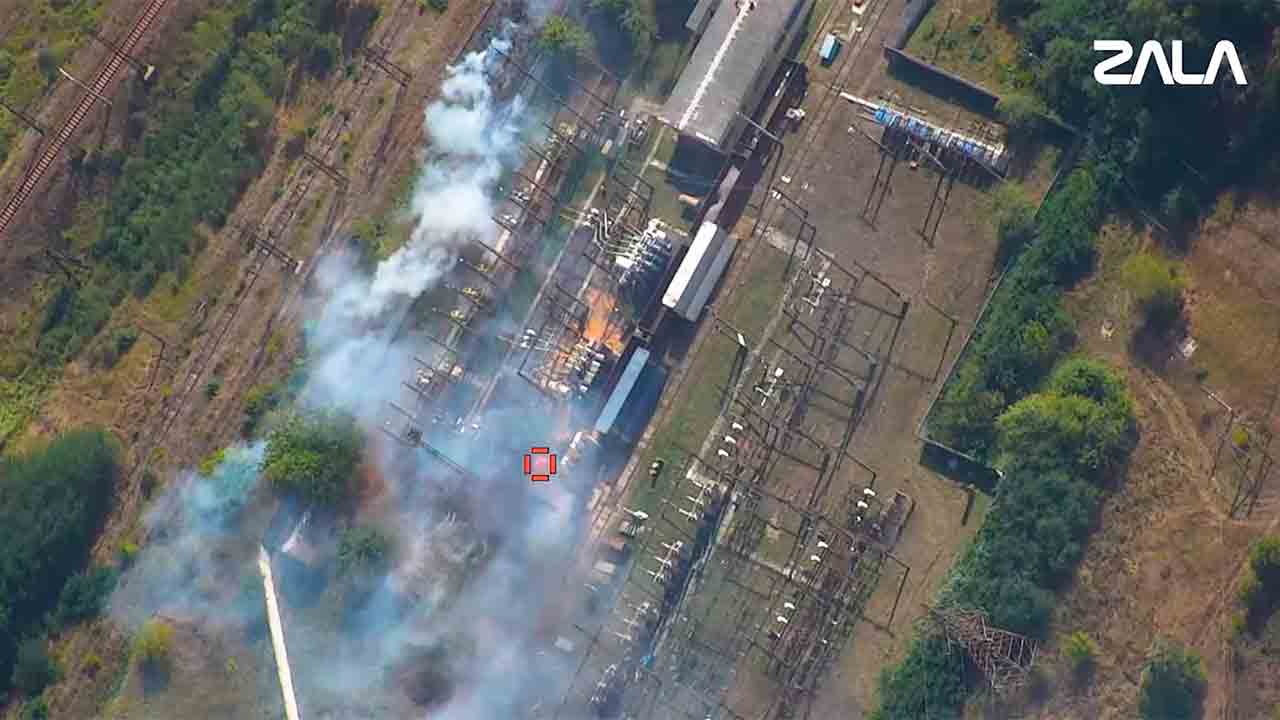 According to the National Crisis Management Center, the integrated IRRA hardware and software system allows automatic analysis of images captured during flight, identification of fire sources, and generation of instant reports.
This enables emergency teams to make quick and accurate decisions.
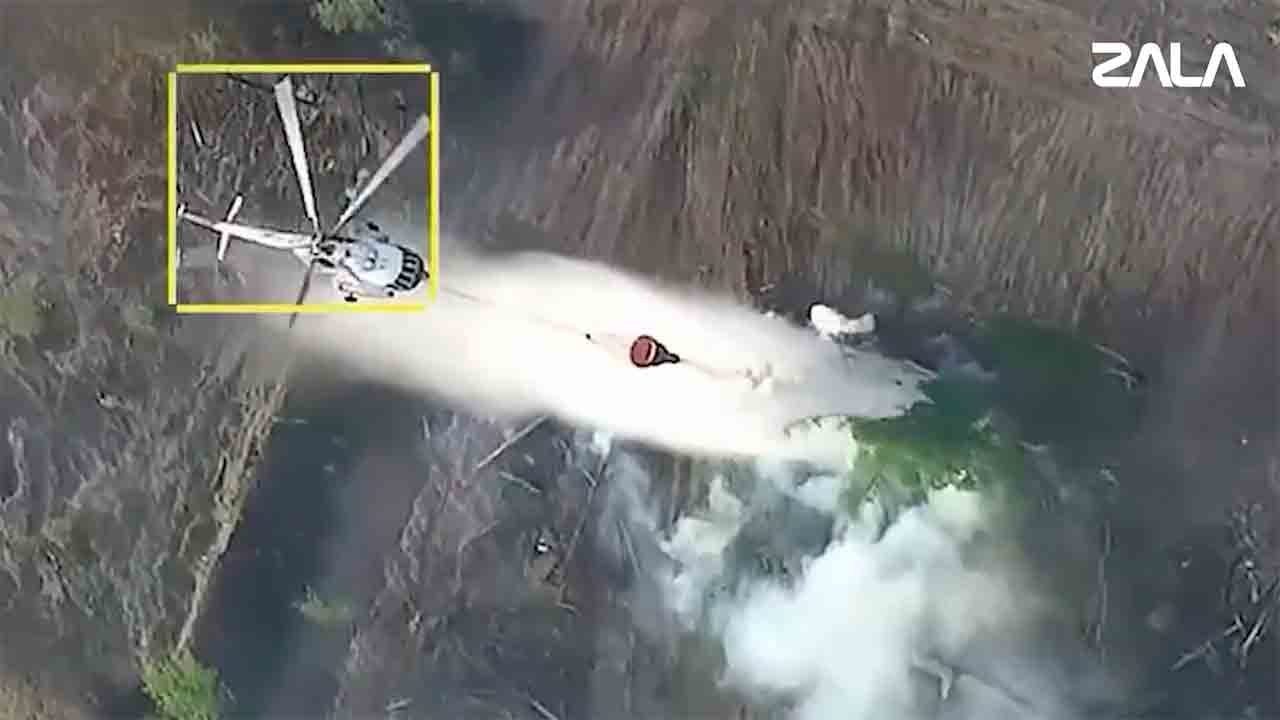
The highlighted advantages include:
- Reduced response time for rescue teams.
- Greater accuracy in locating fire sources.
- Lower risk for personnel involved in operations.
- Resource savings during emergency management.
From war to civil use
Although the military version of the ZALA drones is already widely used in the Ukraine conflict, especially for reconnaissance and target designation, their application in civil operations demonstrates the Russian government’s attempt to expand the usefulness of this equipment.
The adaptation of military drones for civil defense purposes, such as in the case of forest fires, reflects a global trend of repurposing war technologies for humanitarian scenarios.
Source: Telegram ZALA Aero. This content was created with the help of AI and reviewed by the editorial team.
