

The internal conflict in Myanmar has taken on a new technological dimension after rebels from the Kachin Independence Army (KIA) began attacking military junta helicopters using FPV (First Person View) attack drones.
+ Click here to watch the video
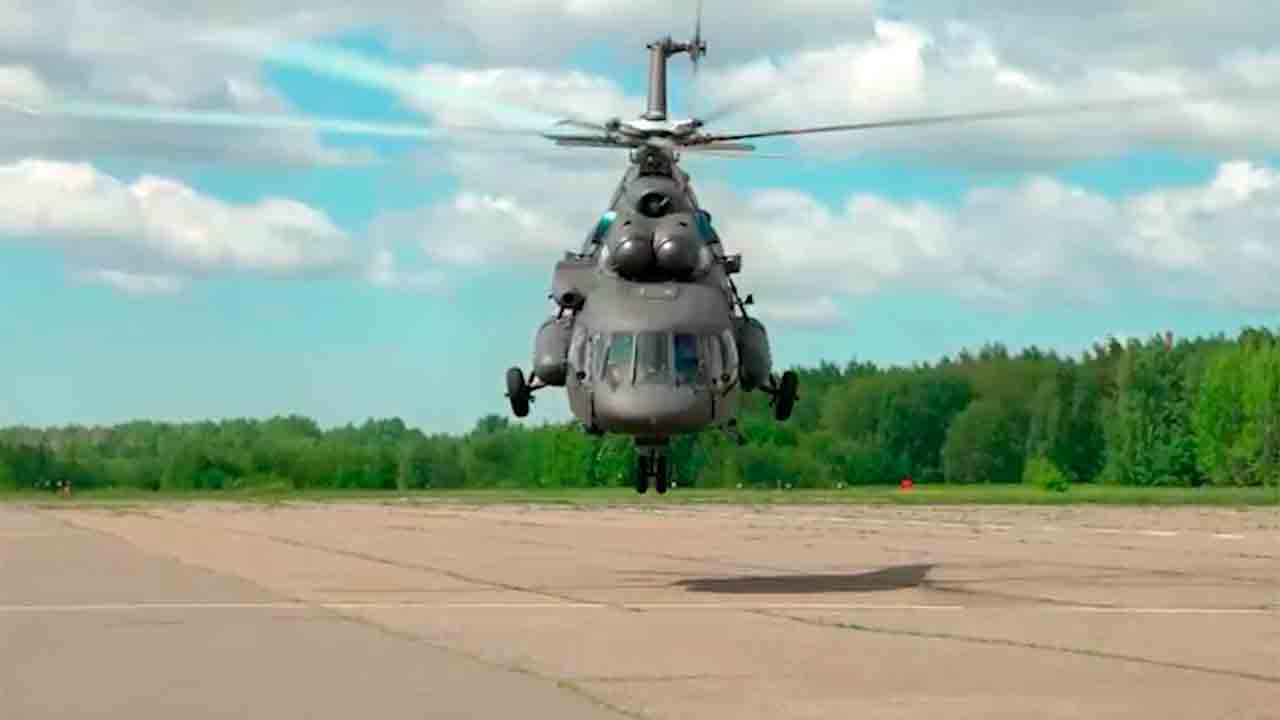
A video released by analysts from War Noir shows one of these drones hitting the main rotor area of a Mi-17 helicopter used by the country’s armed forces. The accuracy of the strike and the increasing use of this tactic may force the junta to reconsider the use of its aviation in conflict zones.
+ Ukraine forms 1st motorcycle assault company to advance quickly in open terrain
Myanmar’s Air Force received 21 new Mi-17 helicopters from Russia between 1995 and 2013, and another 12 Mi-24PM attack helicopters between 2010 and 2019. These aircraft are crucial for transporting troops and supplies in regions controlled by rebel forces.
According to experts, FPV drone attacks pose a direct threat to the junta’s aerial mobility, potentially leading to the repositioning of airbases and the adoption of new safety and precautionary measures during flights in hostile areas.
In addition to FPV drones, the rebels had previously used unmanned aerial vehicles armed with unguided rockets. There are also reports of the use of FN-6 portable anti-aircraft missile systems of Chinese origin, further increasing the vulnerability of the junta’s aviation.
The Kachin Independence Army is one of the armed groups resisting the 2021 military coup, when State Counsellor Aung San Suu Kyi, President Win Myint, and other democratically elected leaders were deposed and imprisoned. The military claimed election fraud, despite denials by the electoral commission.
+ Video: Russian company promotes Mi-17V-5 military helicopter for the international market
The use of drone technology in Myanmar reflects a growing trend in asymmetric conflicts, where insurgent forces adopt innovative tactics to challenge conventional military power.
Source and images: Militarnyi | X @war_noir | Telegram @roe_russia. This content was created with the help of AI and reviewed by the editorial team.
