
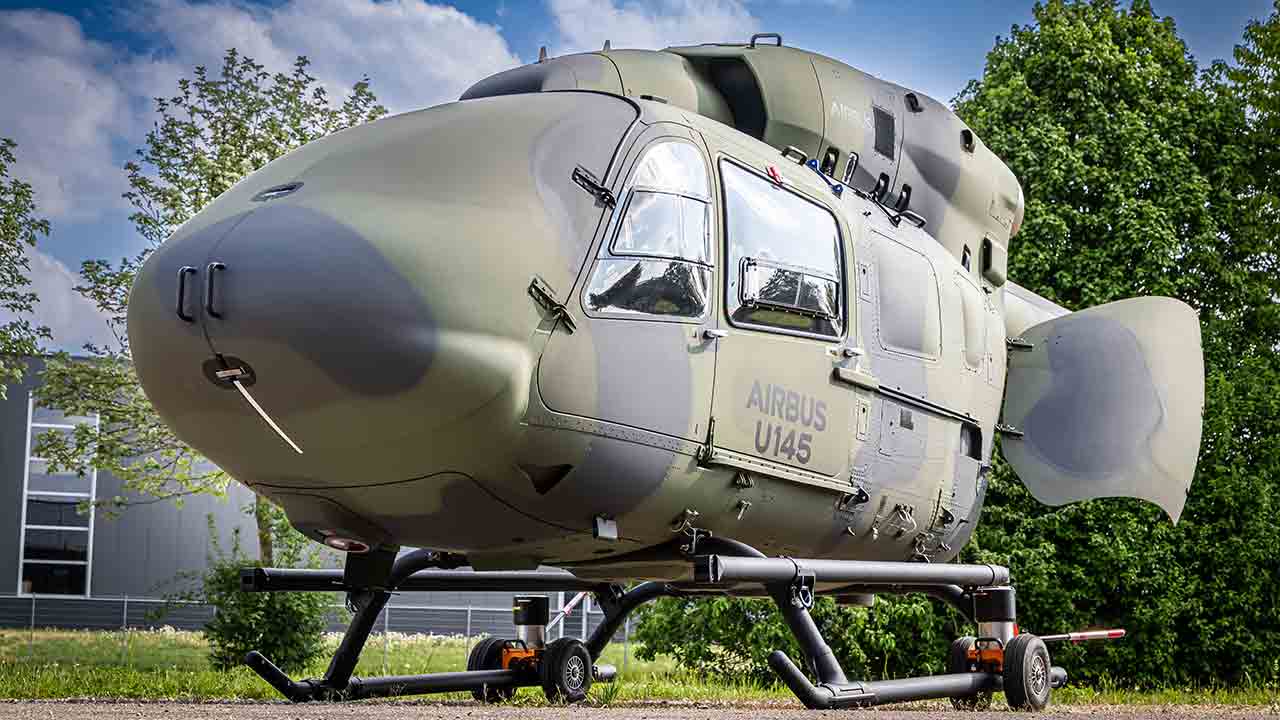
Airbus Helicopters presented the U145 during the ILA Berlin air show in Germany, an uncrewed version based on the H145 helicopter. The new model was displayed as a full-scale mock-up and marks another step by the European manufacturer in expanding its portfolio of uncrewed aerial systems.
The detail that draws the most attention is the structural change in the project: unlike the conventional H145, the U145 will not have a physical cockpit. The aircraft will be adapted to operate autonomously, with specialized sensors, artificial intelligence features and an internal configuration focused especially on cargo transport.
According to Airbus, the first flight of the U145 is scheduled for the end of 2026, still with a safety pilot on board. Entry into service is planned for the beginning of the next decade.
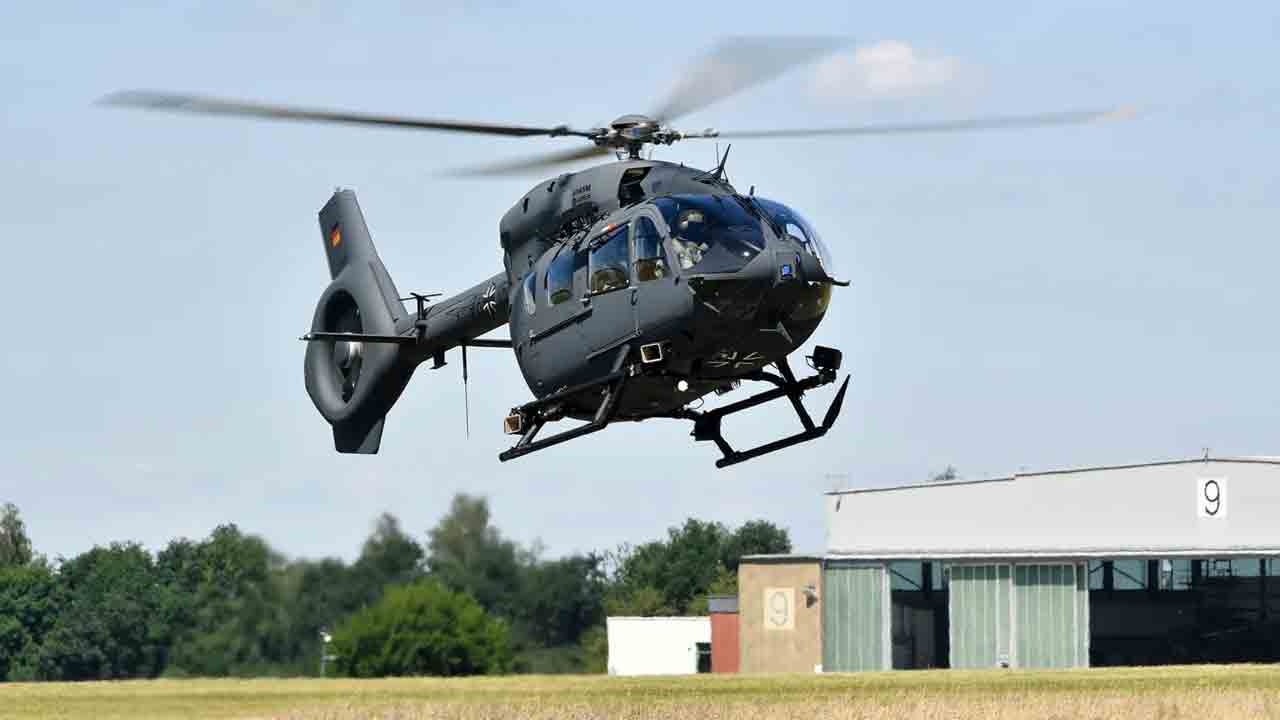
With a maximum takeoff weight of 3,800 kg, the U145 is being developed as a modular platform for civil and military applications. The initial priority will be high-volume cargo transport, but the manufacturer also points to possible uses in disaster management, firefighting, surveillance, armed reconnaissance, operation as a “mothership” for air-launched drones and cooperative missions between crewed and uncrewed aircraft.
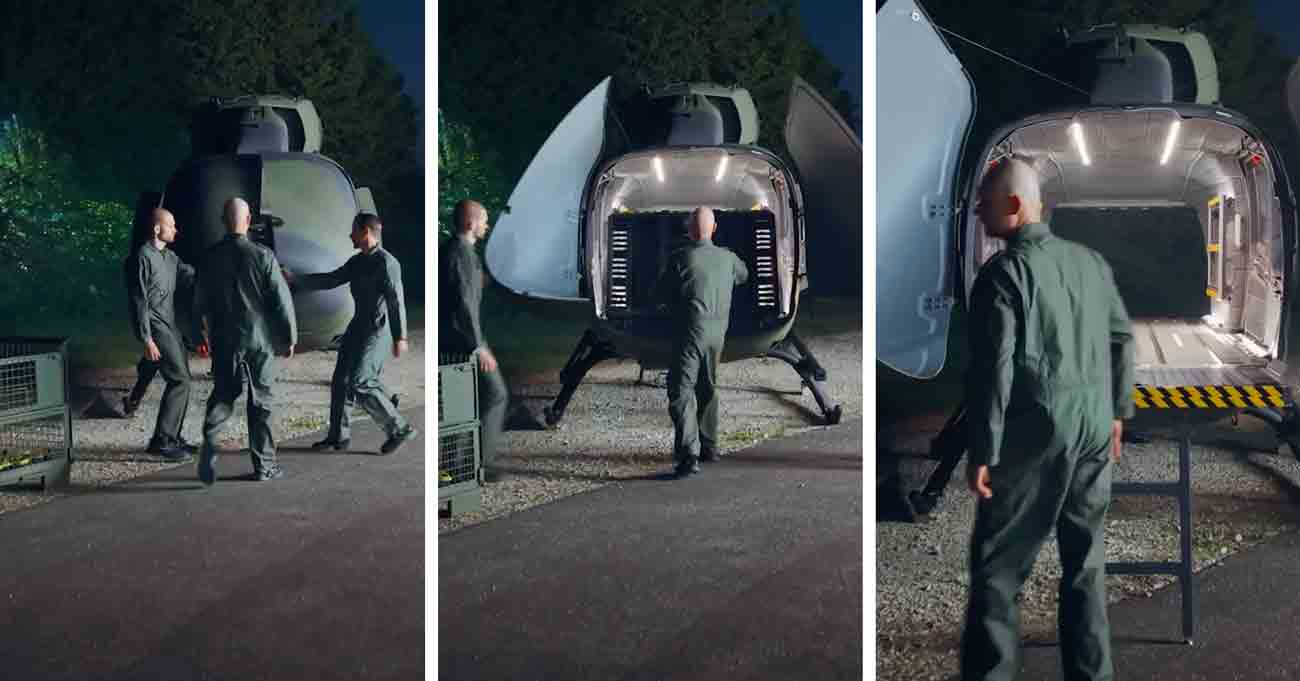
To facilitate the transport of materials, the model will have specific adaptations, including an integrated front door, a foldable loading table and a dedicated cargo floor. The proposal is to take advantage of the well-known H145 platform while removing limitations associated with the presence of crew in certain types of missions.
+ Watch the U145 presentation video
Airbus says the U145 combines the structure, power and payload capacity of the H145 with the autonomy of an uncrewed aerial system. Development is also expected to involve partners specializing in autonomous missions, with the goal of expanding Europe’s UAS ecosystem.
The project comes at a time when armed forces and civil operators are seeking aircraft capable of operating in higher-risk environments, especially in logistics, surveillance and operational support tasks. The absence of crew may allow longer missions or operations in areas where sending pilots would be considered more sensitive.
In the United States, Airbus U.S. Space & Defense is working with Shield AI, L3Harris and Parry Labs on an autonomous variant of the UH-72B Lakota, called the MQ-72C, aimed at the needs of the U.S. Marine Corps.
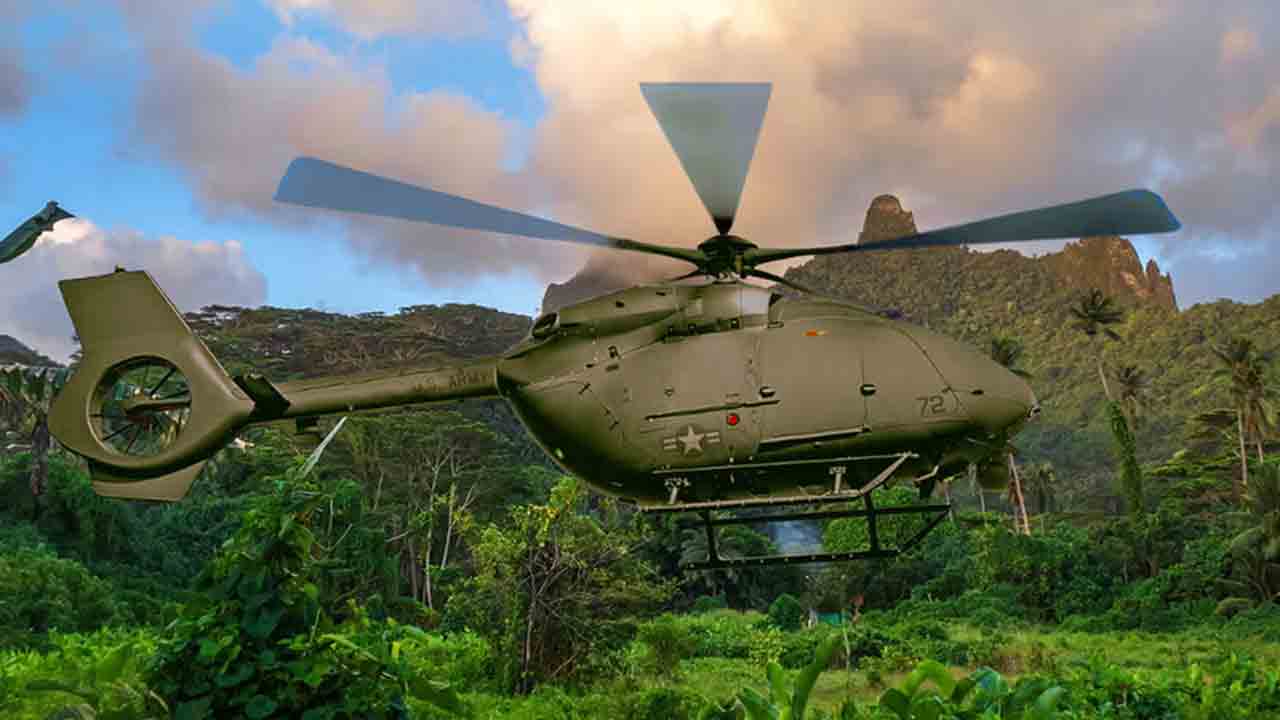
The H145 family has more than 1,800 helicopters in service in military, parapublic and civil missions, with more than 8.5 million flight hours accumulated, according to Airbus. The aircraft is equipped with two Safran Arriel 2E engines and a FADEC digital engine control system.
Source and images: Airbus Helicopters. This content was created with the help of AI and reviewed by the editorial team.
