
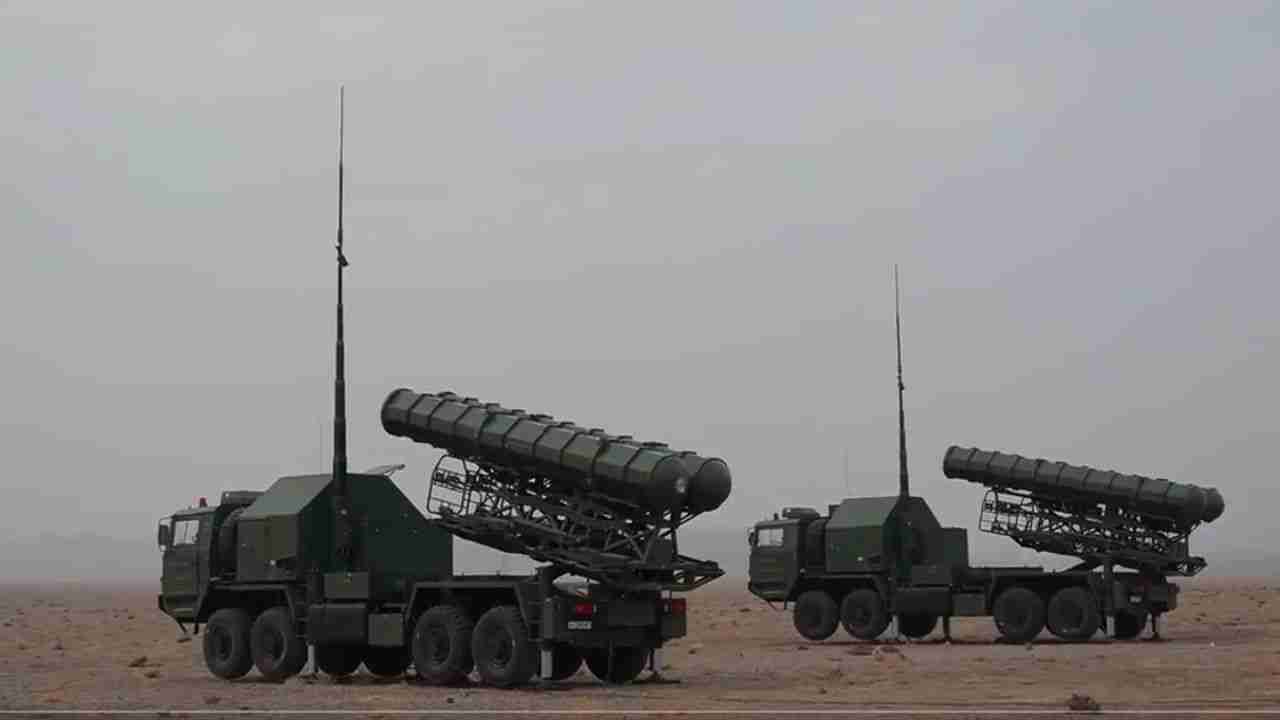
Uzbekistan conducted an air defense exercise with live fire using three Chinese surface-to-air missile systems: the FD-2000B, the KS-1C, and the FM-90.
The training was structured to simulate a layered engagement scenario, where different ranges of reach and altitude are covered in a coordinated way, allowing teams to practice identification, tracking, and neutralizing various aerial threats.
The images and information released after the activity indicate that the focus was not on the isolated performance of each platform, but on the integration between the systems. The FD-2000B was employed in long-range interception simulations, the KS-1C covered the intermediate range, while the FM-90 was directed towards short-range defense against low-altitude targets.
Experts highlight that the equipment used by Uzbekistan are export versions, a common practice by China when marketing weaponry based on systems used by its own forces. These variants often have adjusted configurations, with certain features restricted to domestic use in China.
The exercise also underscores China’s growing role as a supplier of comprehensive air defense solutions to developing nations, offering alternatives to Russian and Western equipment.
For Uzbekistan, this initiative demonstrates the pursuit of an integrated and interoperable air defense network, capable of handling aircraft, drones, and cruise missiles in a single coordinated command and control system.
Source: Defence Blog | Photo: X @jesusfroman | This content was created with the help of AI and reviewed by the editorial team
1/3 🇺🇿Uzbekistan Armed forces during an Air Defense target practice exercise with multiple anti-aircraft missiles from 🇨🇳China: FD-2000B (HQ-9) + KS-1C (HQ-12) + FM-90 (HQ-7B) & from 🇷🇺Russia: S-125 Neva/Pechora
(via wb/疯子白杨) pic.twitter.com/MHlMvRyIr0— Jesus Roman (@jesusfroman) February 5, 2026
