
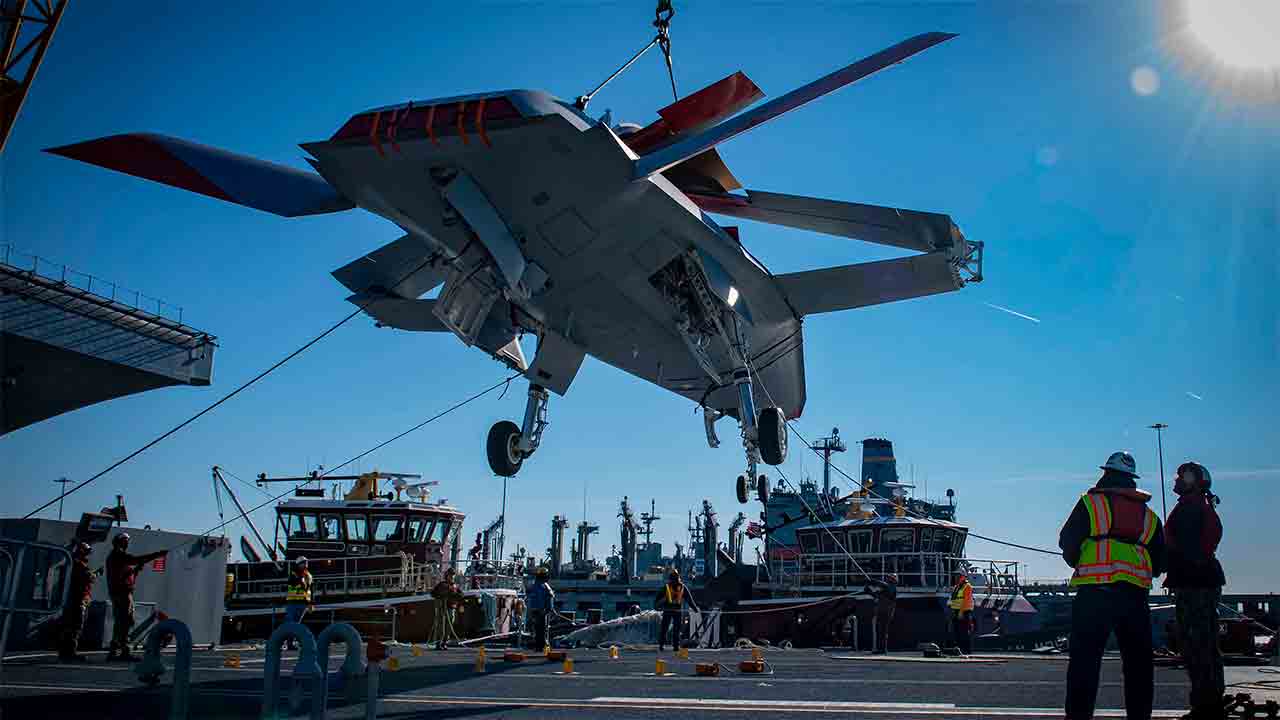
The United States Congress released a detailed report in April 2025 about the MQ-25 Stingray, the new unmanned tanker drone developed for the U.S. Navy.
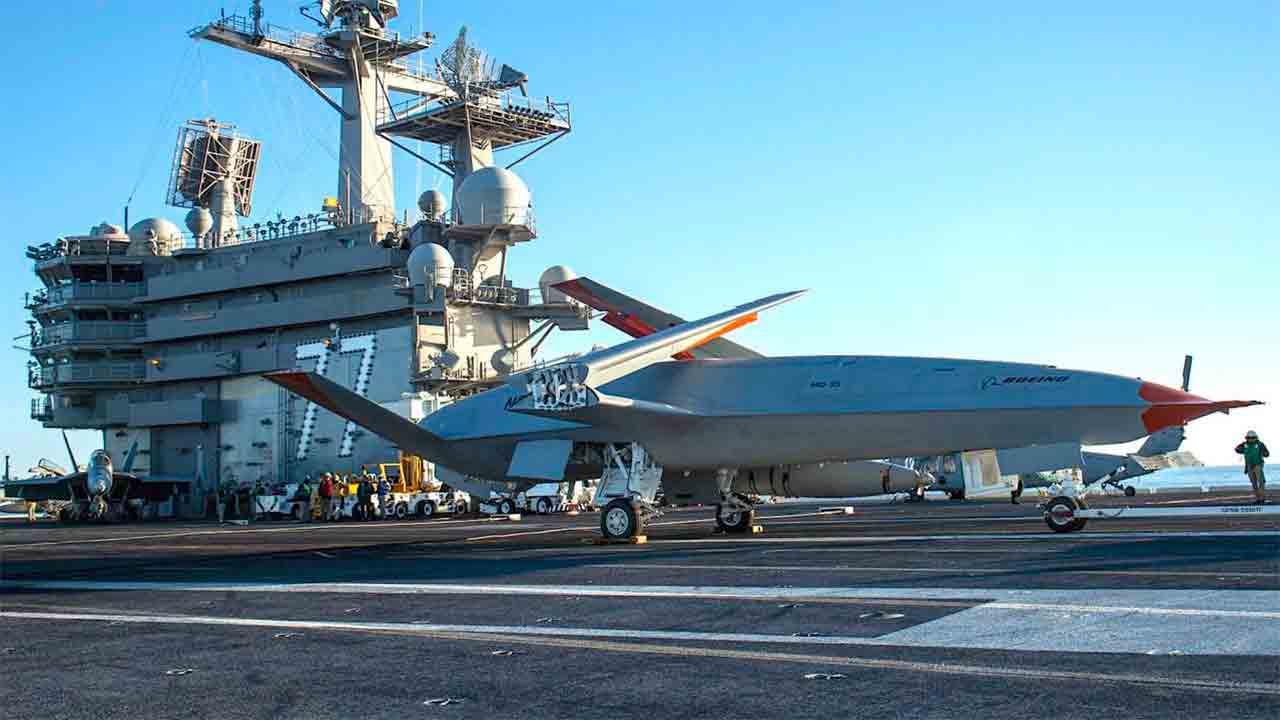
Designed to operate from aircraft carriers, the MQ-25 represents a strategic leap in aerial refueling, extending the range of carrier-based aviation and strengthening the power projection of the U.S. naval forces.
+ Video: MQ-25 performs the first autonomous aerial refueling of a U.S. Navy F/A-18 fighter
+ F/A-18E Super Hornet Crashes into the Red Sea During Aircraft Carrier Maneuver
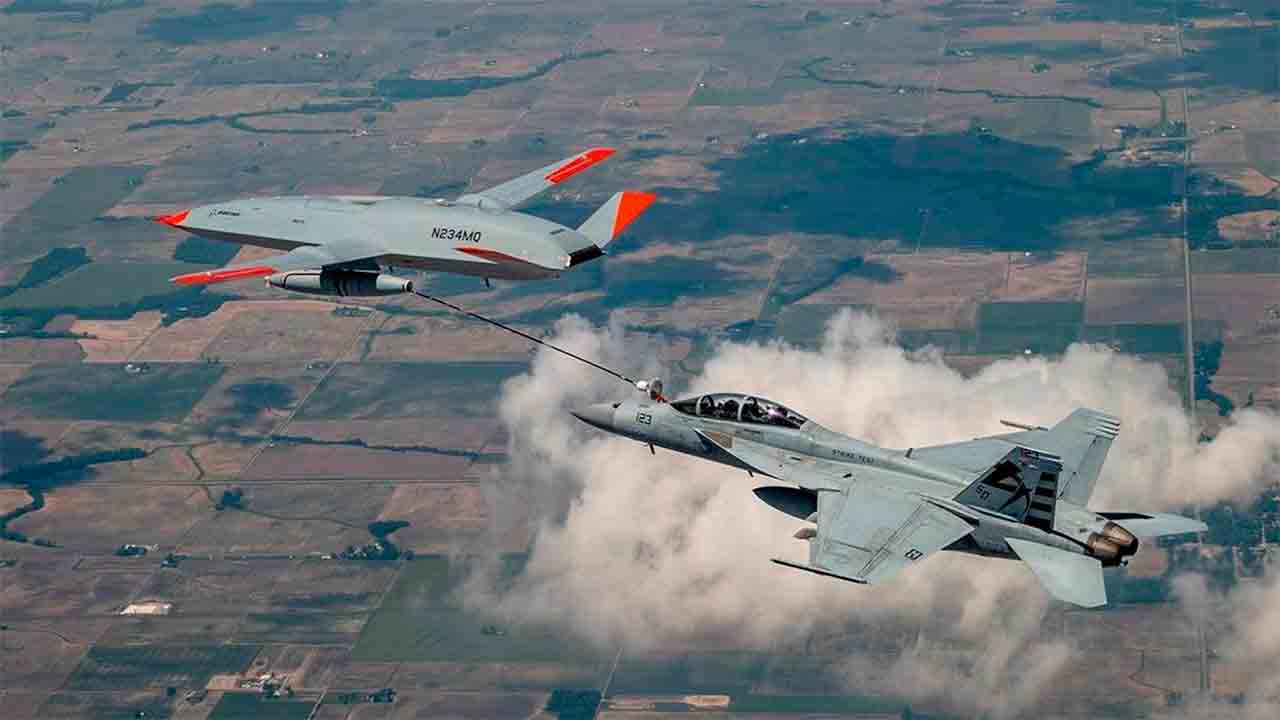
With the ability to transfer up to 6.8 tons of fuel on flights up to 926 km away, the MQ-25 is much more stealthy than traditional tanker aircraft. This allows it to operate closer to conflict zones, minimizing exposure to enemy radar and expanding operational possibilities for embarked fighters, such as the F/A-18 Super Hornet and the F-35C.
For 2025, the program seeks about $900 million in funding, with an estimated cost of each individual drone around $195 million. In total, 72 units are planned, with an estimated total investment of $13 billion, demonstrating the strategic importance the Department of Defense has placed on the project.
In addition to the primary refueling mission, the MQ-25 will also be used for reconnaissance, surveillance, and target designation operations. The U.S. Navy is also exploring the possibility of arming the drone with precision-guided munitions, which would transform it into a multifunctional combat platform.
+ Video: The first MQ-25 Stingray from the U.S. Navy in endurance and flight tests
The MQ-25 Stingray emerges as a key component in the modernization of the U.S. aircraft carrier forces, not only extending their operational range but also freeing up manned aircraft for more complex offensive tasks. By combining autonomy, stealth, and versatility, the project signals a new era in carrier-based air warfare.
+ Video: How U.S. Navy pilots will control drone refueling
Source and images: X @USNavy / @BoeingDefense. This content was created with the help of AI and reviewed by the editorial team.
