
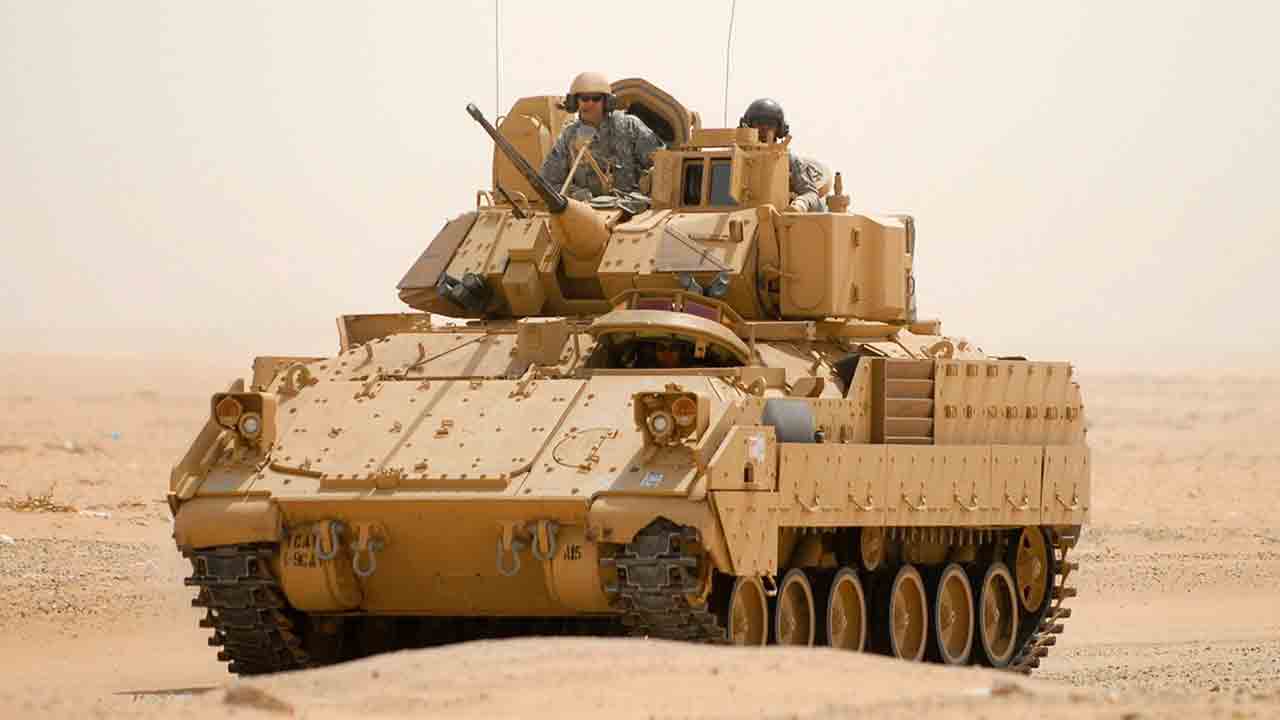
The United States military has signed two new contracts with BAE Systems aimed at expanding the modernization and production of the Bradley M2A4 and M7A4 infantry fighting vehicles.
With the new agreements, the total contract value related to the Bradley program has reached US$668.4 million, consolidating the effort to maintain the combat capability of Army brigades until the future XM30 vehicle enters service.
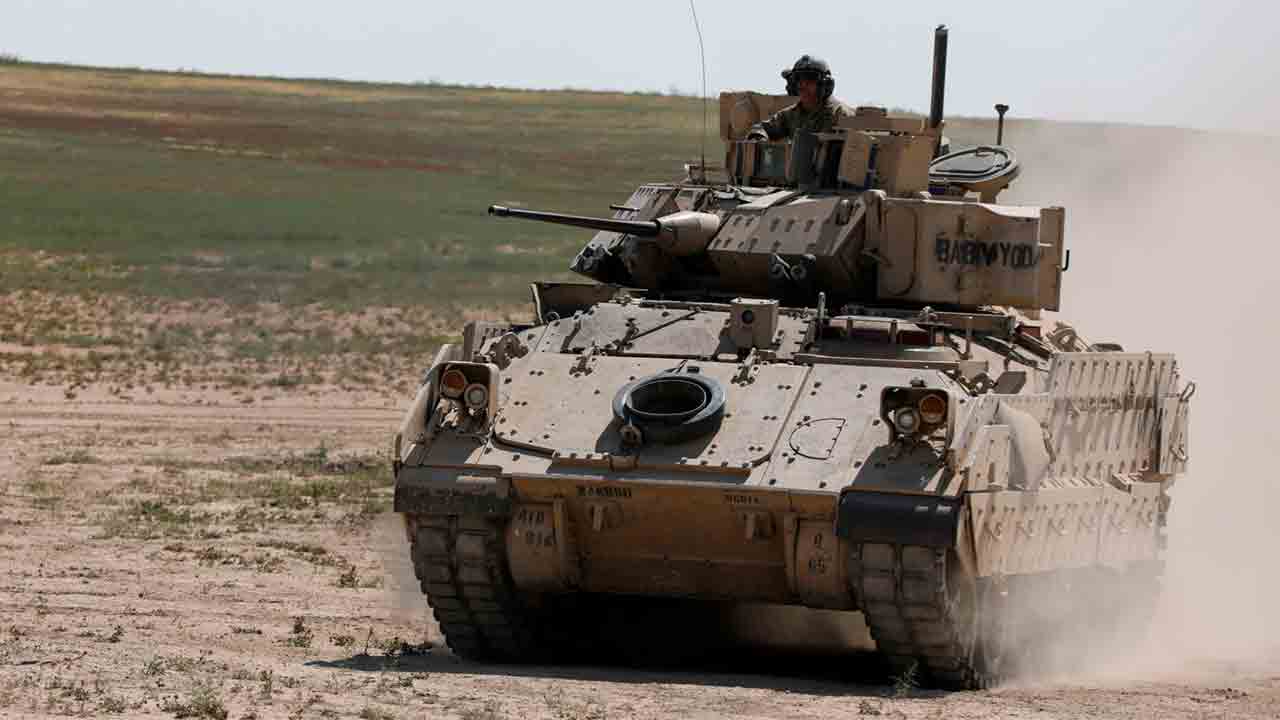
Contract details
- September 22, 2025 – contract signing worth US$12.2 million.
- September 24, 2025 – additional contract signing worth US$10.2 million.
The work is scheduled to be completed by November 11, 2027, and November 30, 2027, respectively. The determination of execution locations and funding sources will be established within the contracting system, allowing greater flexibility in resource use.
Strategic importance
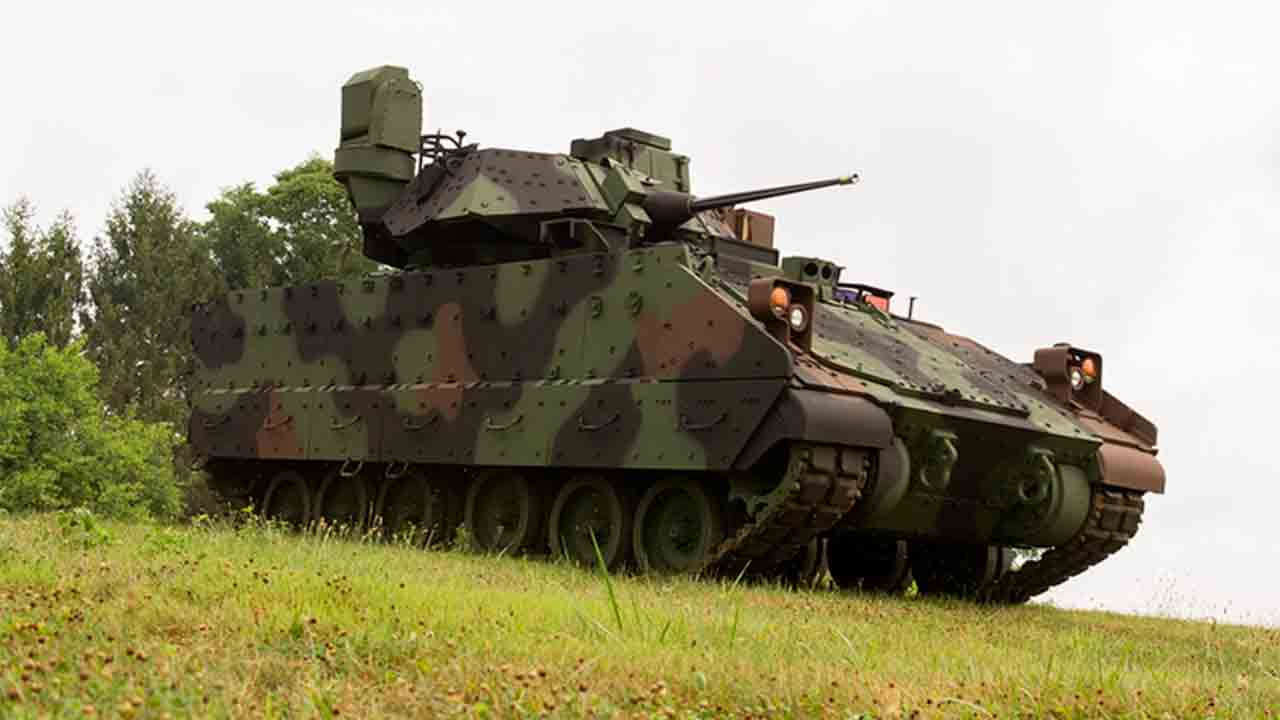
The modernization of the Bradleys involves re-equipping older vehicles with new standards, upgrading them to the more advanced M2A4 and M7A4 versions in terms of protection, mobility, and technological integration. The process ensures that brigades maintain a high level of readiness until the arrival of the new generation of armored vehicles.
The signing of the contracts reinforces the relevance of the Bradley as the backbone of the US mechanized infantry, even after four decades of service.
The future: the XM30 vehicle
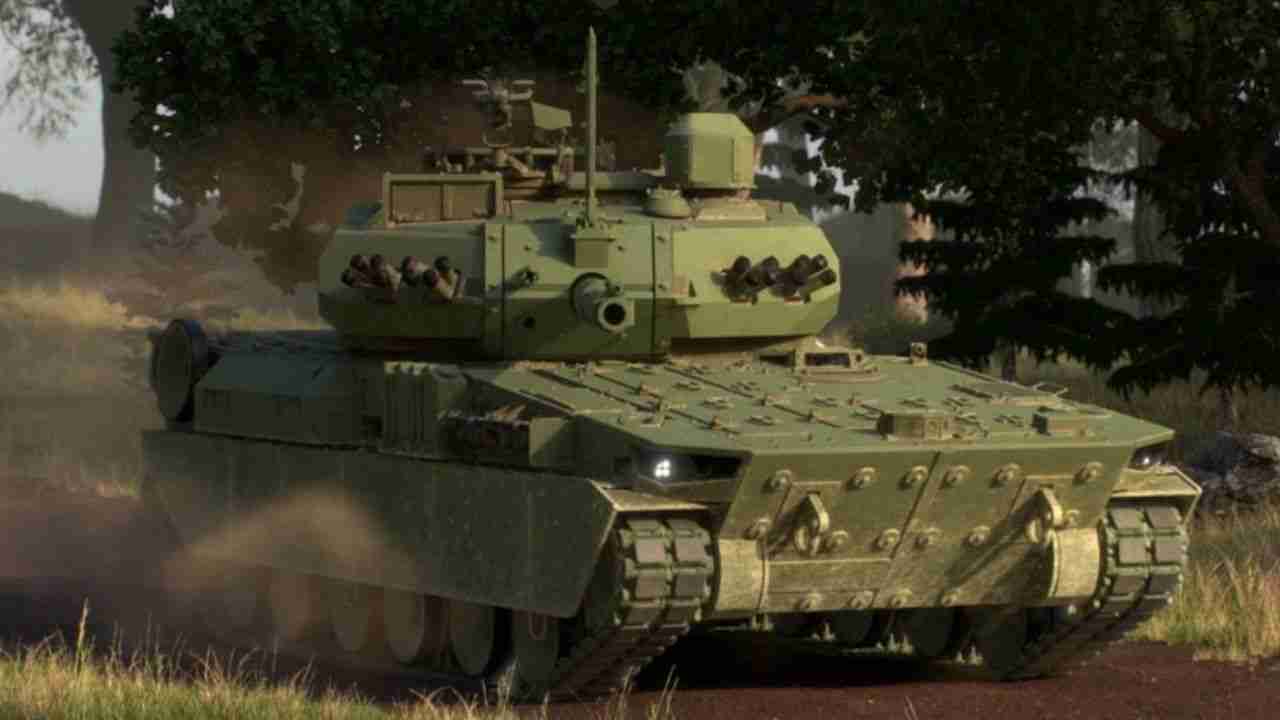
The XM30, which is under development to replace the Bradley, represents a paradigm shift in the armored vehicle industry. The program adopts a fully digital design concept, modular architecture, and compatibility with the MOSA (Modular Open Systems Architecture) standard, allowing continuous software and hardware upgrades.
According to the schedule, the first XM30 prototype is expected to be delivered for testing in 2026, with entry into service planned for the early 2030s.
The use of digital flow—from engineering phase to maintenance—will allow the vehicle to be continuously modernized throughout its lifecycle, ensuring technological and operational superiority on the battlefield.
Source: US Department of War | BAE Systems. This content was created with the help of AI and reviewed by the editorial team.
