

Mercedes-Benz could face restrictions on vehicle sales in the United States if a bill approved by the US Senate Commerce Committee moves forward.
As reported by Car and Driver, the proposal seeks to prevent automakers with more than 15% Chinese investor ownership from selling connected vehicles, a measure intended to reduce national security risks.
Currently, around 20% of Mercedes-Benz is owned by Chinese investors, including the BAIC group and Geely founder Eric Li Shufu. For this reason, the German automaker could fall under the new rules, although lawmakers have said that a complete ban on the brand is not the purpose of the legislation.
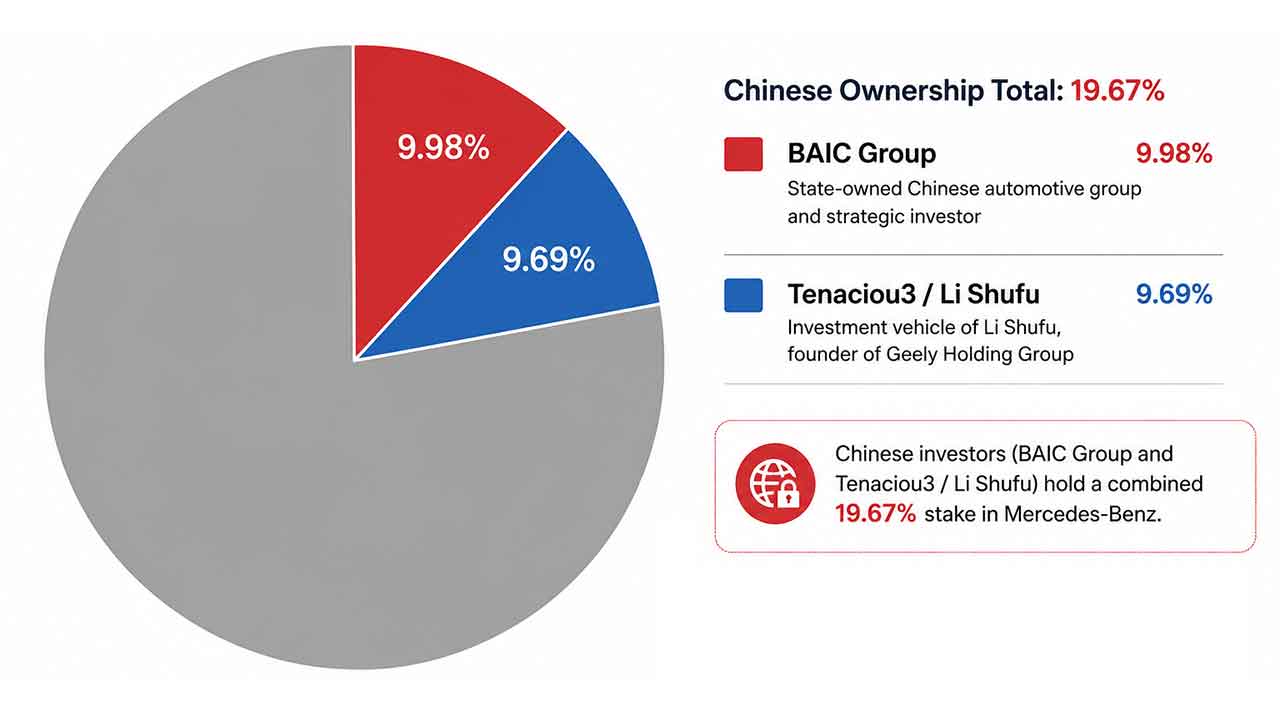
Senator Ted Cruz, chairman of the committee, acknowledged that the text needs adjustments to avoid unintended consequences, while Senator Bernie Moreno said that, if the proposal is approved, Mercedes-Benz would have until 2030 to comply with the requirements or apply for exemptions. The bill still needs to be approved by both the Senate and the House of Representatives before being sent to the president for signature.
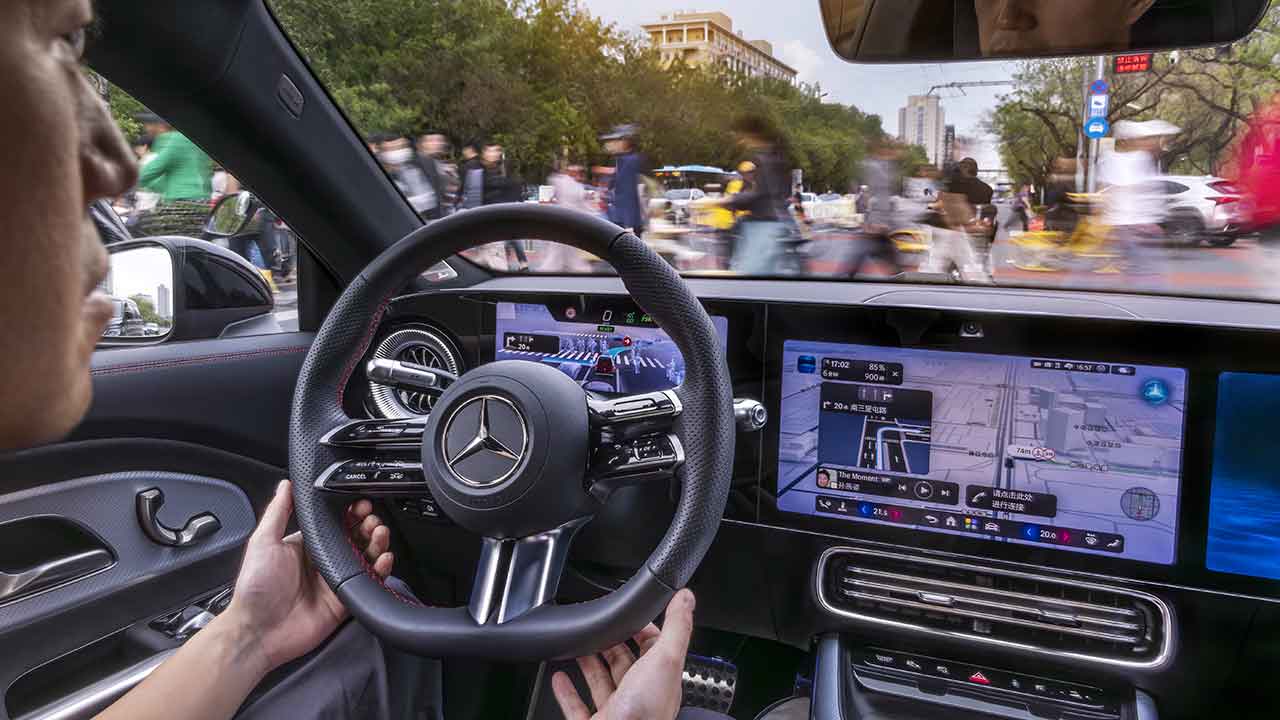
The debate comes amid a tightening of US policies regarding Chinese influence in the automotive sector. Supporters of the measure argue that connected vehicles may pose espionage and cybersecurity risks, while critics warn that the rules could affect global manufacturers with a strong industrial presence and thousands of jobs in the United States.
+ US Army expands Humvee contract with US$98.7 million investment
Photo: Mercedes-Benz. This content was created with the help of AI and reviewed by the editorial team.
