
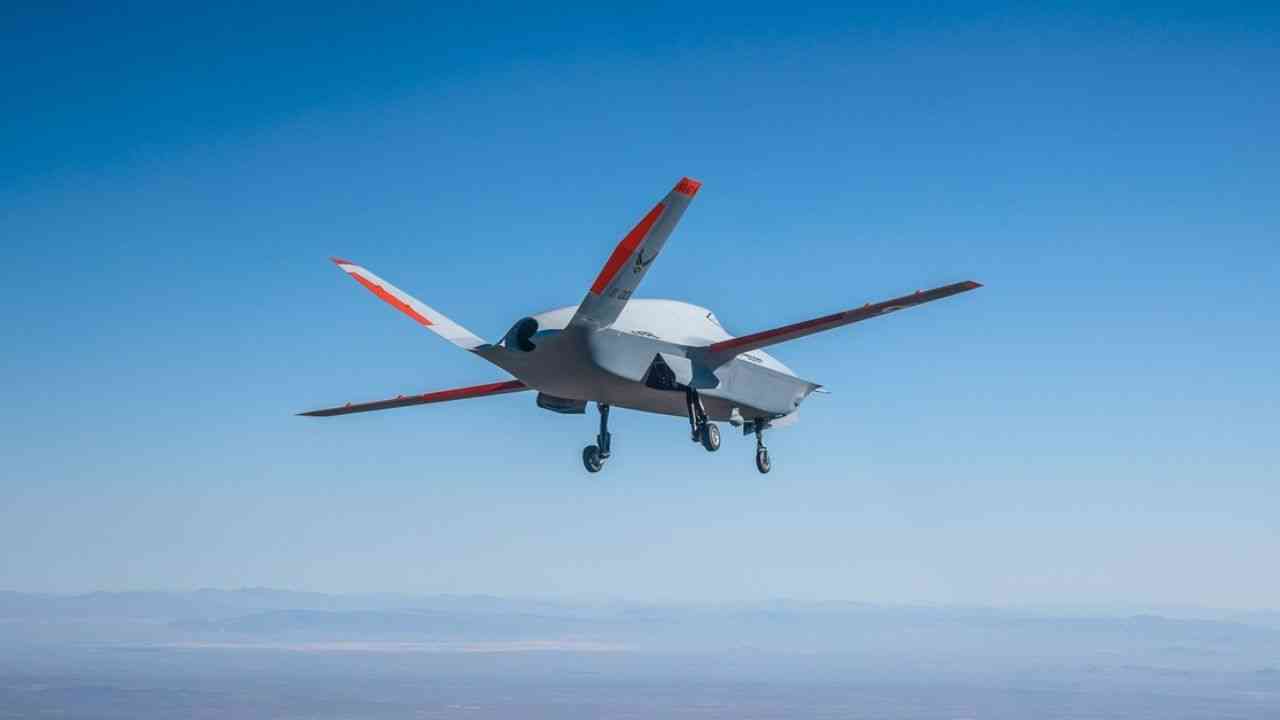
The United States Department of Defense is conducting drone tests in Alaska as part of an effort to drive innovation in electronic warfare and overcome regulatory and technological barriers.
The initiative, led by the Defense Innovation Unit (DIU), aims to provide companies, especially smaller ones, real opportunities to test autonomous systems in simulated hostile environments. Projects such as G.I. and the Long-Range Strike Group were created to accelerate the incorporation of new technologies into the Armed Forces and facilitate the testing process, which is often hindered by Federal Aviation Administration (FAA) requirements and operational limitations on military bases.
Initially, Ukraine was considered an ideal testing ground due to its practical combat experience with drones. However, logistical hurdles and diplomatic tensions prevented formal U.S. support for these operations. Still, some well-funded American startups managed to test equipment on the Ukrainian front line. With no viable alternatives, Alaska was chosen as a domestic solution, offering more favorable airspace conditions and less interference, as well as allowing for more flexible testing.
During exercises conducted by the 11th Special Operations Battalion, it was found that many of the electronic warfare systems used by the U.S. are outdated, having been in use for more than two decades and ineffective against modern threats. Nevertheless, the team managed to improve their performance, especially in scenarios involving GNSS signal interference.
The progress, however, does not hide the technological gap compared to powers like China and Russia, which have invested more aggressively in accessible and effective battlefield solutions.
Source: Sputnik | Photo: X @usairforce | This content was created with the help of AI and reviewed by the editorial team
