
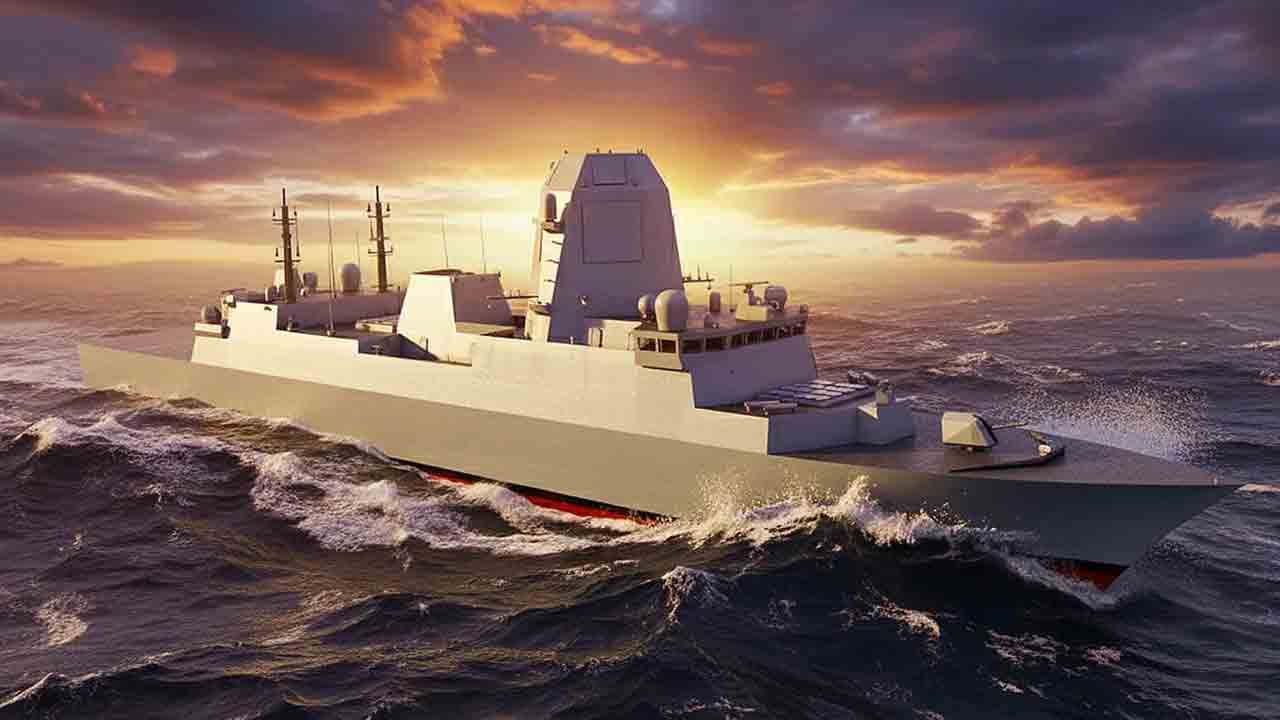
The United Kingdom has officially abandoned the Type 83 destroyer program and confirmed that the future air defense of the Royal Navy will be handled by a new class of hybrid ships called the Common Combat Vessel.
The Ministry of Defence plans to build at least six vessels, with entry into service expected in the early 2030s, gradually replacing the current Type 45 destroyers, which are scheduled to be retired in 2038. The new ships will act as command centers for unmanned systems, coordinating aerial drones, surface vessels, and autonomous underwater vehicles.
The decision represents a major shift in British naval strategy. Instead of concentrating combat power in a small number of large destroyers with large crews, the United Kingdom is betting on a distributed fleet made up of crewed ships that will command networks of autonomous platforms. According to the government, this concept will make it possible to expand the Royal Navy’s reach, survivability, and firepower without proportionally increasing operating costs or the number of personnel on board. The project will also be linked to the Atlantic Bastion, Atlantic Shield, and Atlantic Strike operations, aimed at strengthening NATO’s presence in the North Atlantic, protecting strategic undersea cables, and countering Russian military activity in the region.
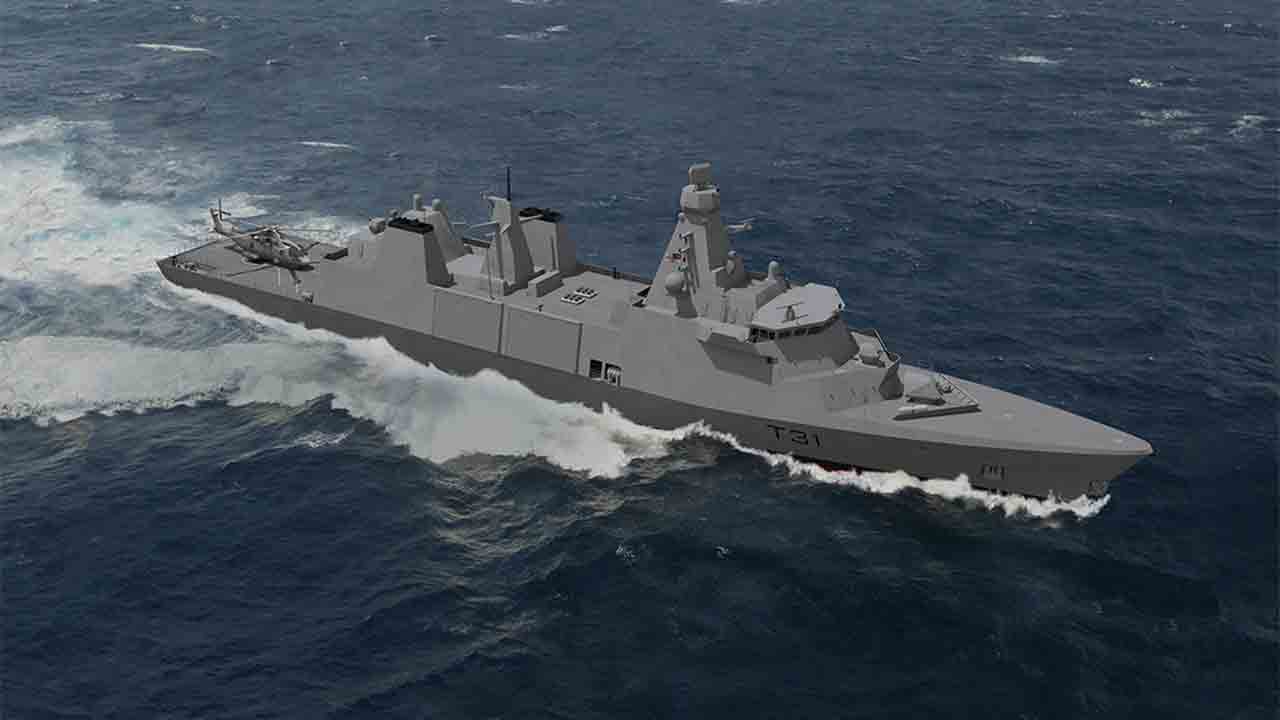
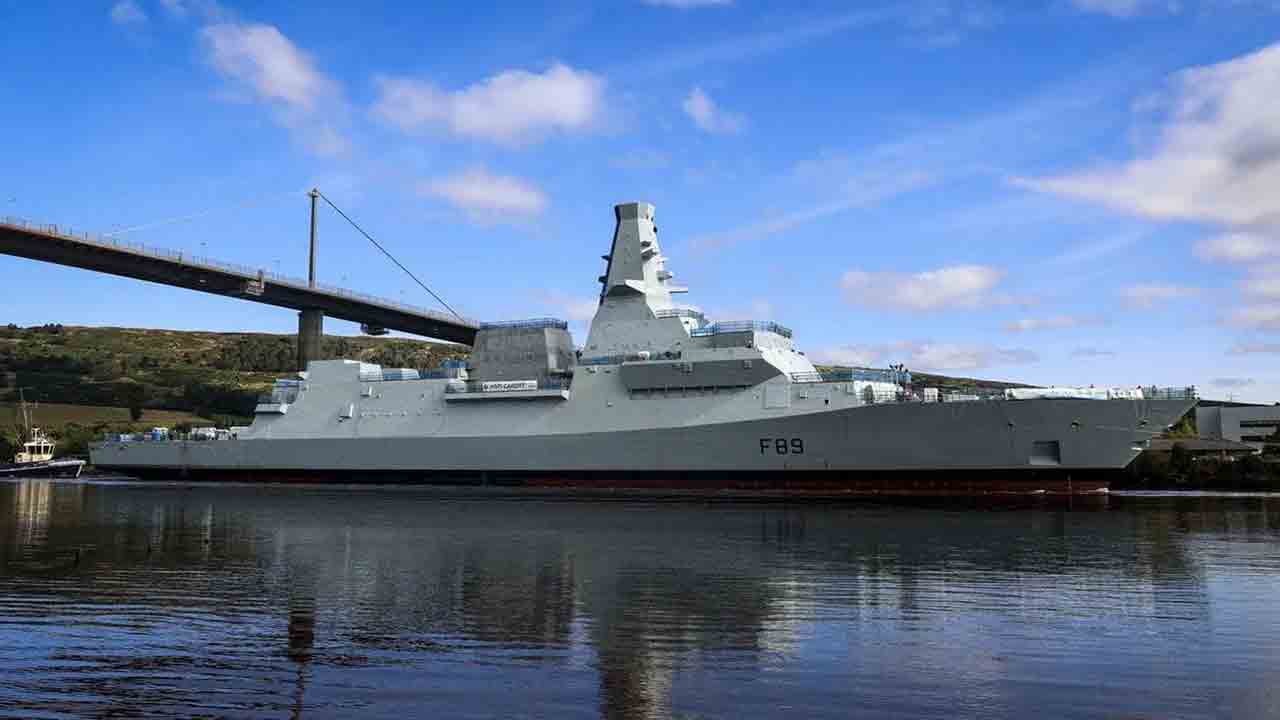
The cancellation of the Type 83 comes after years of limited investment in the program. According to the British government, only around £1 million was allocated to the destroyer’s specific development over three fiscal years, an amount considered insufficient to turn the concept into a viable project. At the same time, companies such as BAE Systems and Babcock have already presented proposals for the future class. While BAE is considering adapting the Type 26 frigate platform to serve as the command ship for a hybrid fleet, Babcock proposes using the Type 31 frigate as a control center for autonomous surface vessels equipped with modular weapons.
The shift is part of the United Kingdom’s new Defence Investment Plan and follows the Armed Forces modernization strategy focused on high-intensity conflicts and the growing use of unmanned systems. Even so, the plan has faced criticism from the opposition, which considers the budget insufficient to meet the Royal Navy’s needs and argues that the country should invest simultaneously in drones and new conventional destroyers. Still, the government says the Common Combat Vessel will be one of the pillars of the future British naval capability, marking a new phase in how the Royal Navy intends to conduct combat operations in the coming decades.
Source: Defence Blog / UK Defence Blog | Photos: Babcock / BAE Systems Royal Navy. This content was created with the help of AI and reviewed by the editorial team
