
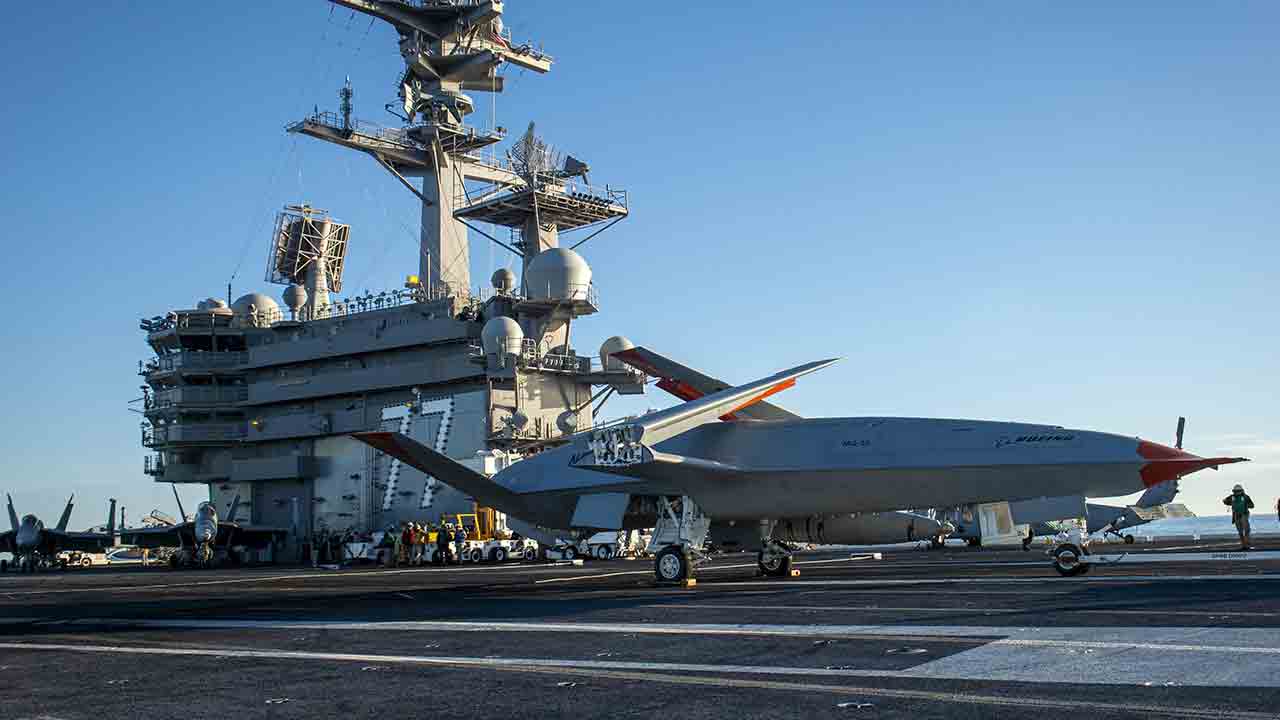
The United States Navy has set a goal for its future generation of carrier-based tactical drones to be capable of striking targets located at least 1,000 nautical miles from the ship without relying on aerial refueling.
The requirement is part of a request for information issued by the Naval Air Systems Command (NAVAIR), which is seeking proposals for the future Air Wing of the Future (AWOTF), composed of manned and unmanned aircraft.
The new drones will be expected to perform a wide variety of missions, including surface warfare, land strikes, anti-submarine warfare, air defense, electronic warfare, intelligence, reconnaissance, mobility, and logistical support.
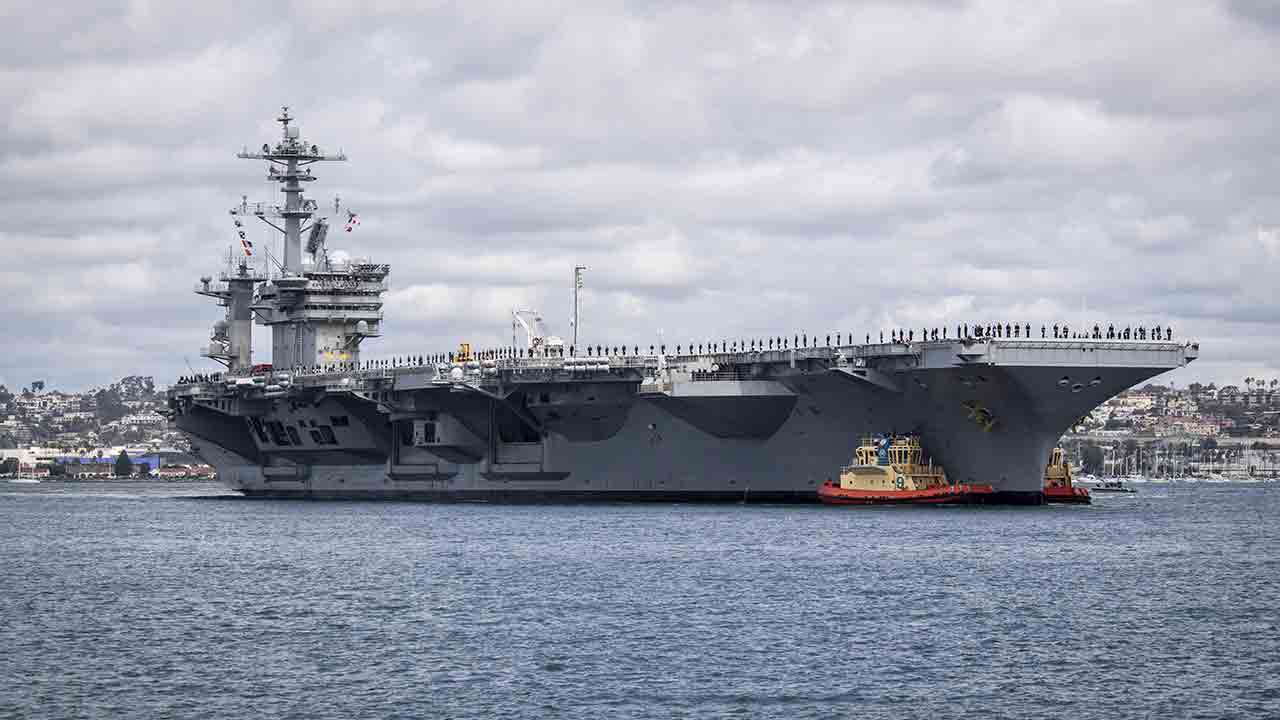
In addition to the extended range, the Navy requires the designs to be compatible with Nimitz- and Ford-class aircraft carriers, occupy less deck space, and be capable of integration with current unmanned aircraft control systems.
Manufacturers will also be required to present solutions with a high level of autonomy, capable of carrying out tasks such as carrier takeoffs and landings, in-flight mission changes, threat avoidance, and even automated aerial refueling.
The proposal is part of an effort to gradually replace current air wings based on fourth-generation fighters with a force made up of fifth- and sixth-generation aircraft operating alongside drones.
According to the Navy, increased range is considered essential in light of the expansion of adversaries’ anti-ship capabilities, which is forcing aircraft carriers to operate increasingly farther away from combat zones. Long-endurance drones would extend the operational radius of carrier strike groups, reduce dependence on tanker aircraft, and improve survivability in high-intensity conflicts.
The requirement is also close to the targets established for the Navy’s future sixth-generation fighters and follows similar initiatives already announced by the United States Air Force for its new fighters and collaborative combat drones.
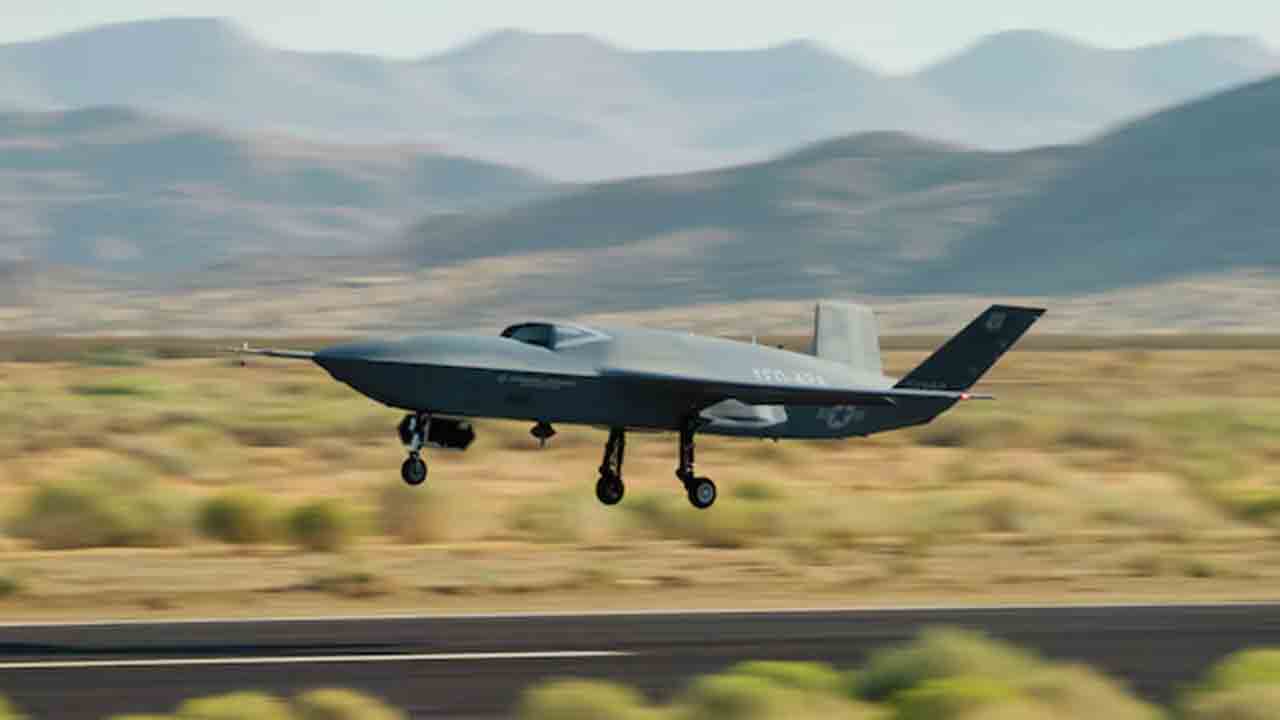
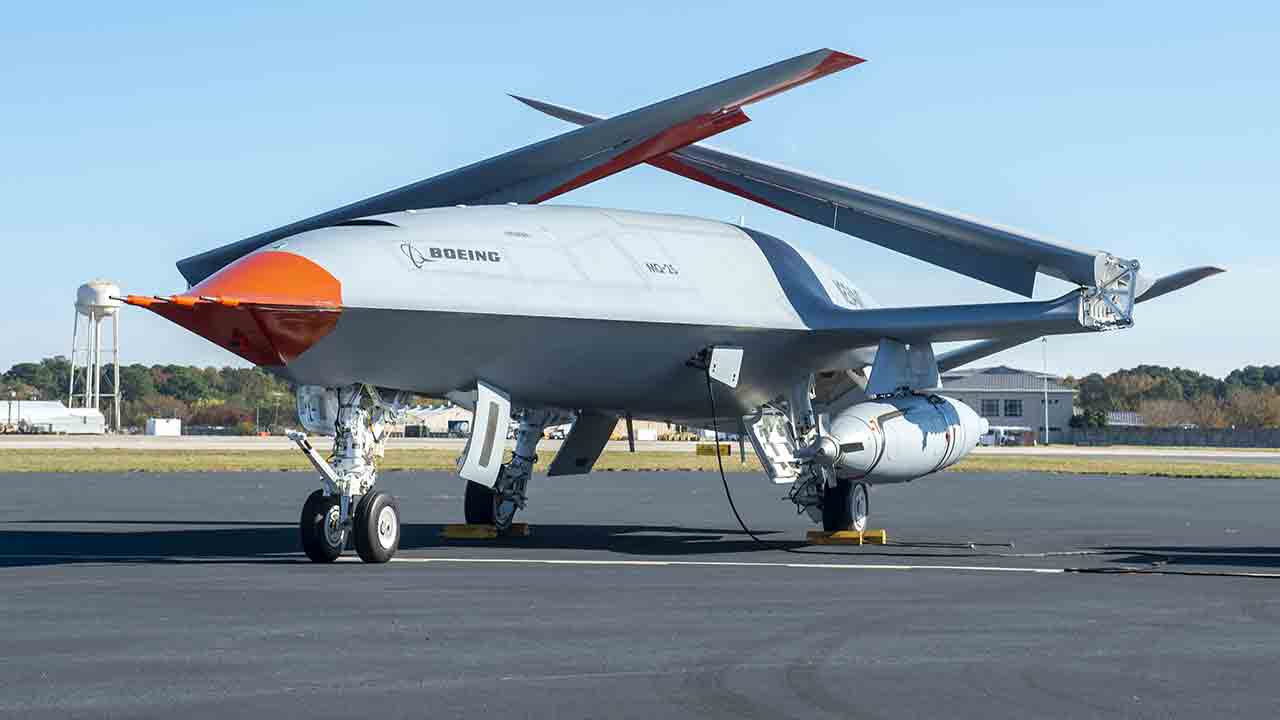
Although the MQ-25 Stingray is the first carrier-based drone of the new generation and is expected to enter service soon, the Navy is still defining the characteristics of future Collaborative Combat Aircraft (CCA). Companies such as Anduril, Boeing, General Atomics, and Northrop Grumman are already developing concepts for these aircraft, including models capable of operating from aircraft carriers and even from other ships using vertical takeoff and landing.
The new request for information reinforces that the naval force is still refining its strategy, but it maintains the goal that, in the future, more than 60% of carrier-based aircraft will be unmanned, significantly increasing the range and combat capability of U.S. naval groups.
+ Saab to sign billion-dollar contract to equip new German Navy frigates
Source: The War Zone | Photo: U.S. Navy / DVIDS | This content was created with the help of AI and reviewed by the editorial team
