
U.S. Marines Conduct Live-Fire Exercises with Helicopters in the Caribbean
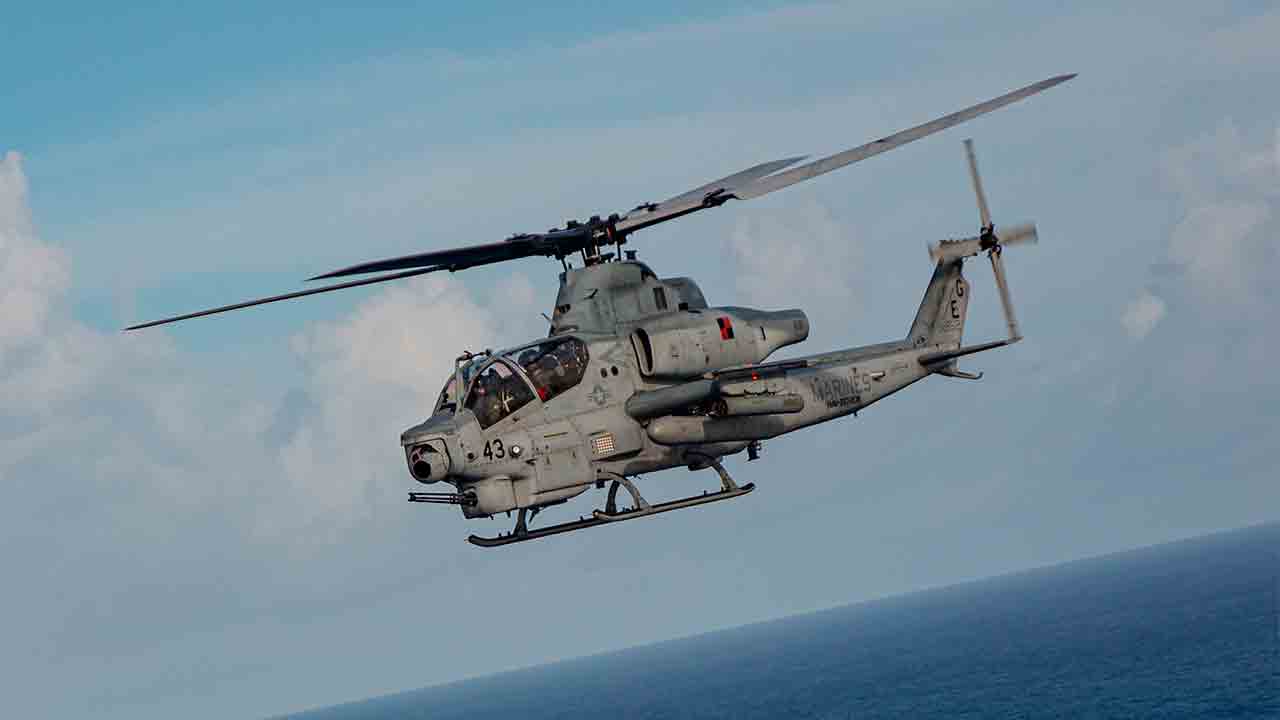
The U.S. Marine Corps conducted a series of live-fire drills off the Caribbean coast as part of the deployment of the 22nd Marine Expeditionary Unit (MEU) with Special Operations Capable status.
Helicopters from the 22nd MEU’s Command and Staff practiced firing from moving ships and rehearsed sensor-to-shooter connections — processes that help convert aerial observations into precision interdictions at sea.
According to the command, AH-1Z Cobra and UH-1Y Venom helicopter crews carried out the exercises using rockets and heavy machine guns during separate training sessions held on September 16 and 22, 2025.
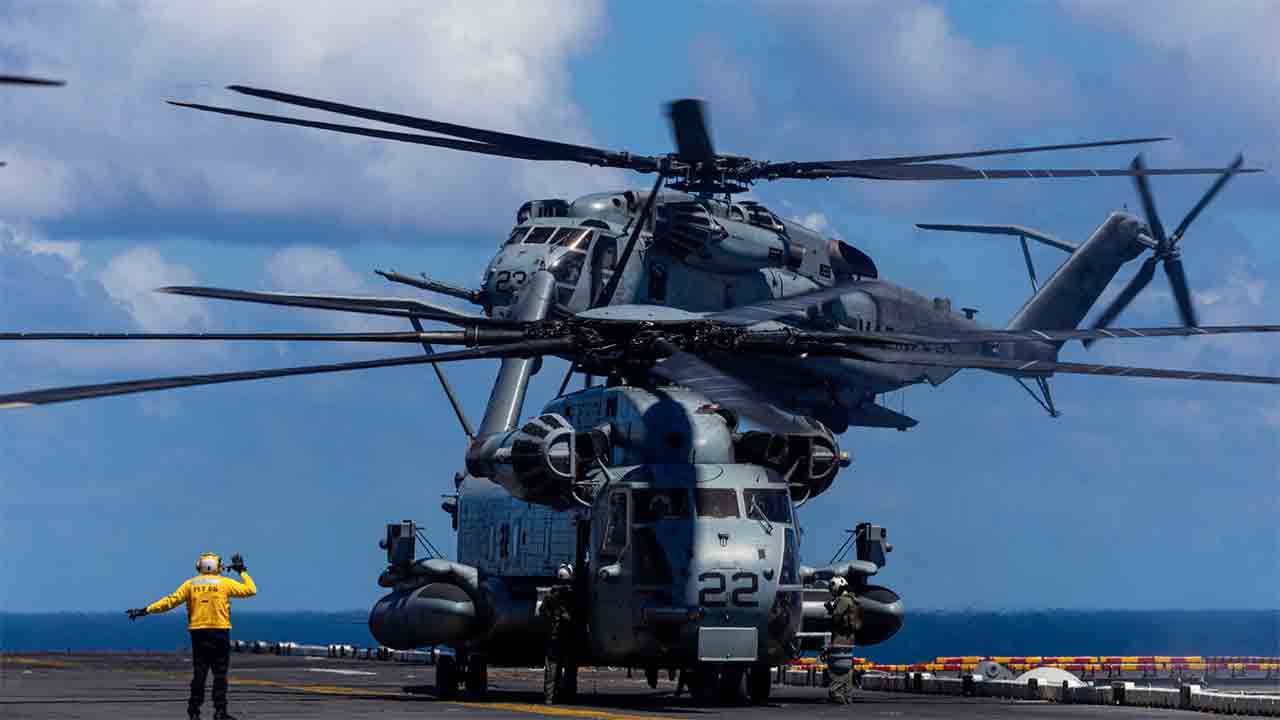
The exercises were conducted as ships and aircraft were en route to the Caribbean Sea as part of deployed forces supporting U.S. Southern Command (SOUTHCOM) missions.
Official images of the training, captured and released by the 22nd MEU, highlighted the unit’s focus on maritime strikes, close air support, and interdiction operations, the command said in a press release.
SOUTHCOM described the activity as training that enhances expeditionary aviation tactics and improves interoperability with partner agencies. “Transnational criminal organizations threaten the security, prosperity, and health of our hemisphere,” said Admiral Alvin Holsey in the statement.
The press release emphasized that the exercises support SOUTHCOM’s broader objectives, including the integration of intelligence, surveillance, and reconnaissance, and the expansion of real-time intelligence fusion among U.S. military forces, federal law enforcement, and partner nations.
Photos: 22nd Marine Expeditionary Unit X @22nd_MEU. This content was created with the help of AI and reviewed by the editorial team.
