
The United States reportedly destroyed four of its own aircraft on Iranian soil after a search and rescue operation linked to the rescue of the crew of a downed F-15E fighter jet.
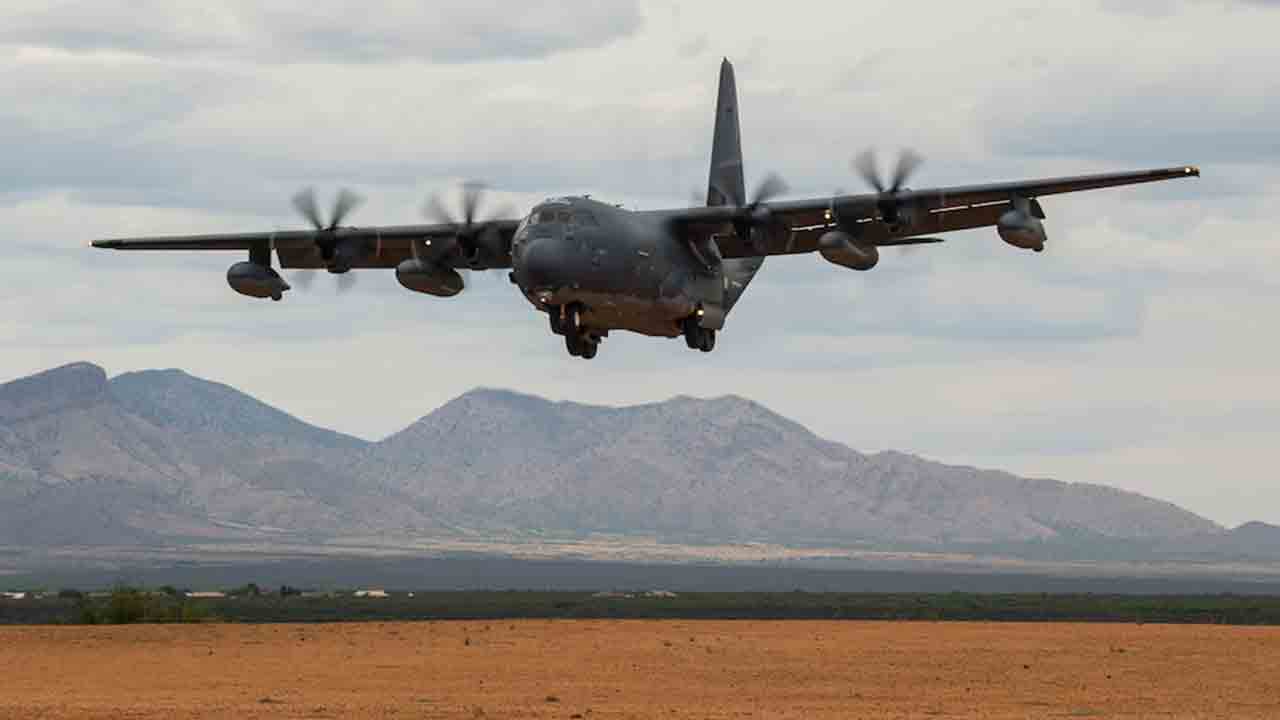
According to The New York Times, two HC-130J Combat King II aircraft and two helicopters were blown up on the ground to prevent them from being captured by Iranian forces.
The decision, according to the report, was made after the evacuation of the fighter jet’s second crew member. The rescue aircraft reportedly landed on an improvised refueling strip inside Iran but were unable to leave the country for reasons that have not yet been officially clarified.
+ U.S. rescues missing serviceman in Iran in high-risk special operation
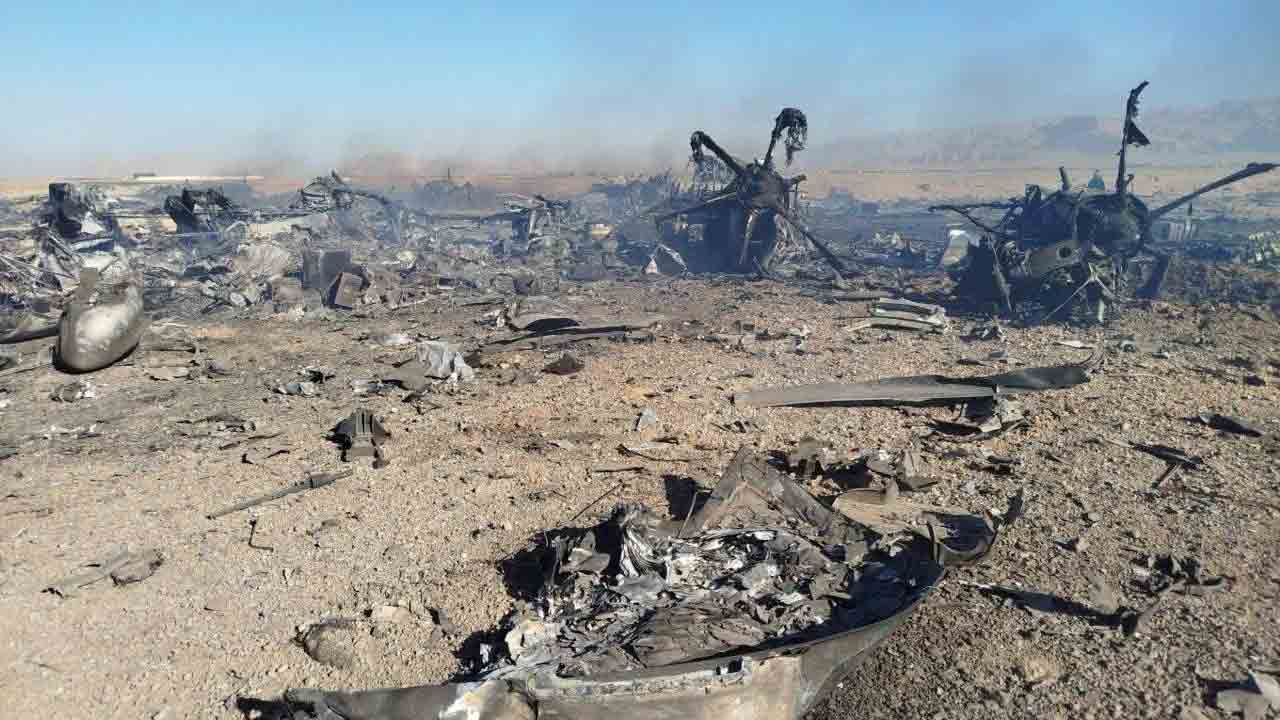
Faced with the risk of losing the equipment, U.S. troops reportedly chose to disable it on the spot. The move underscores the complexity of the mission and raises further questions about what happened during the operation inside Iranian territory.
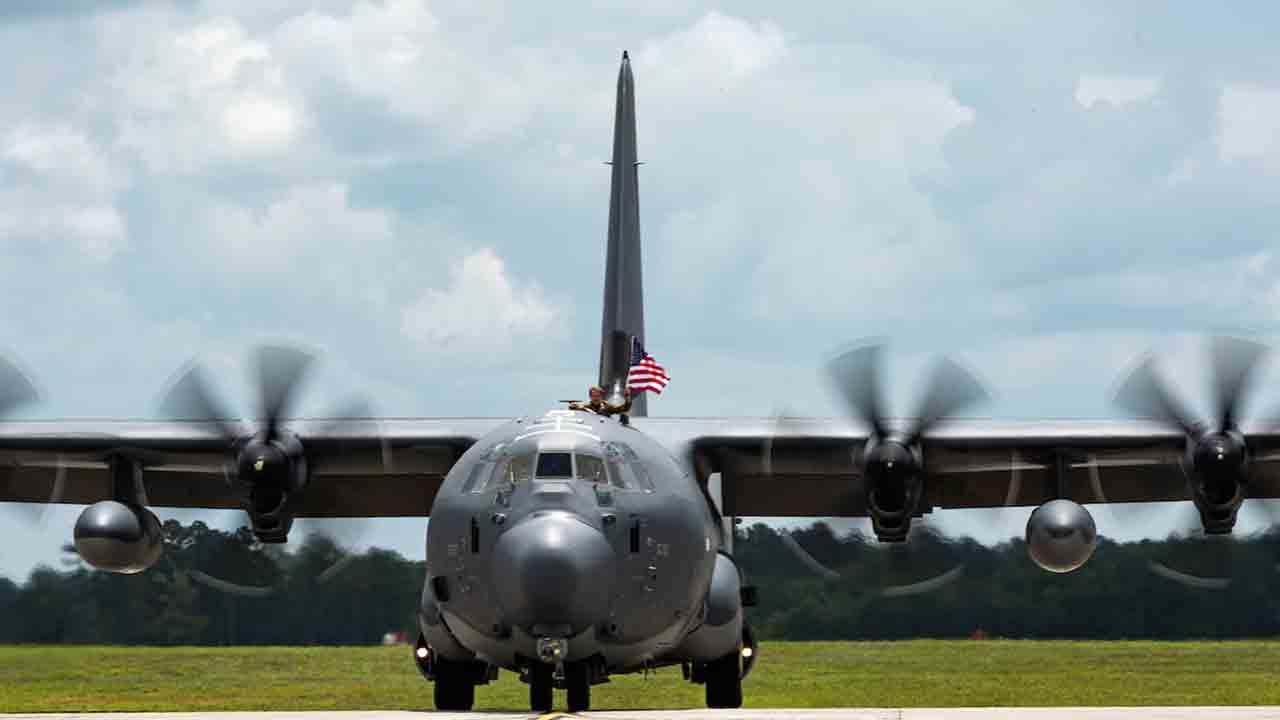
Still according to the NYT, the United States sent three additional HC-130J Combat King II aircraft to sustain the search and rescue operation, even after losing the aircraft used in the initial phase of the mission. In one of the images cited by the report, two aircraft appear parked side by side shortly before the explosion.
The episode took on new dimensions after information released by NBC News. According to sources cited by the broadcaster, two U.S. military UH-60 helicopters were hit by Iranian fire during the rescue mission for the F-15E crew member. The report suggests that the operation faced direct resistance on the ground, further increasing tensions surrounding the mission.
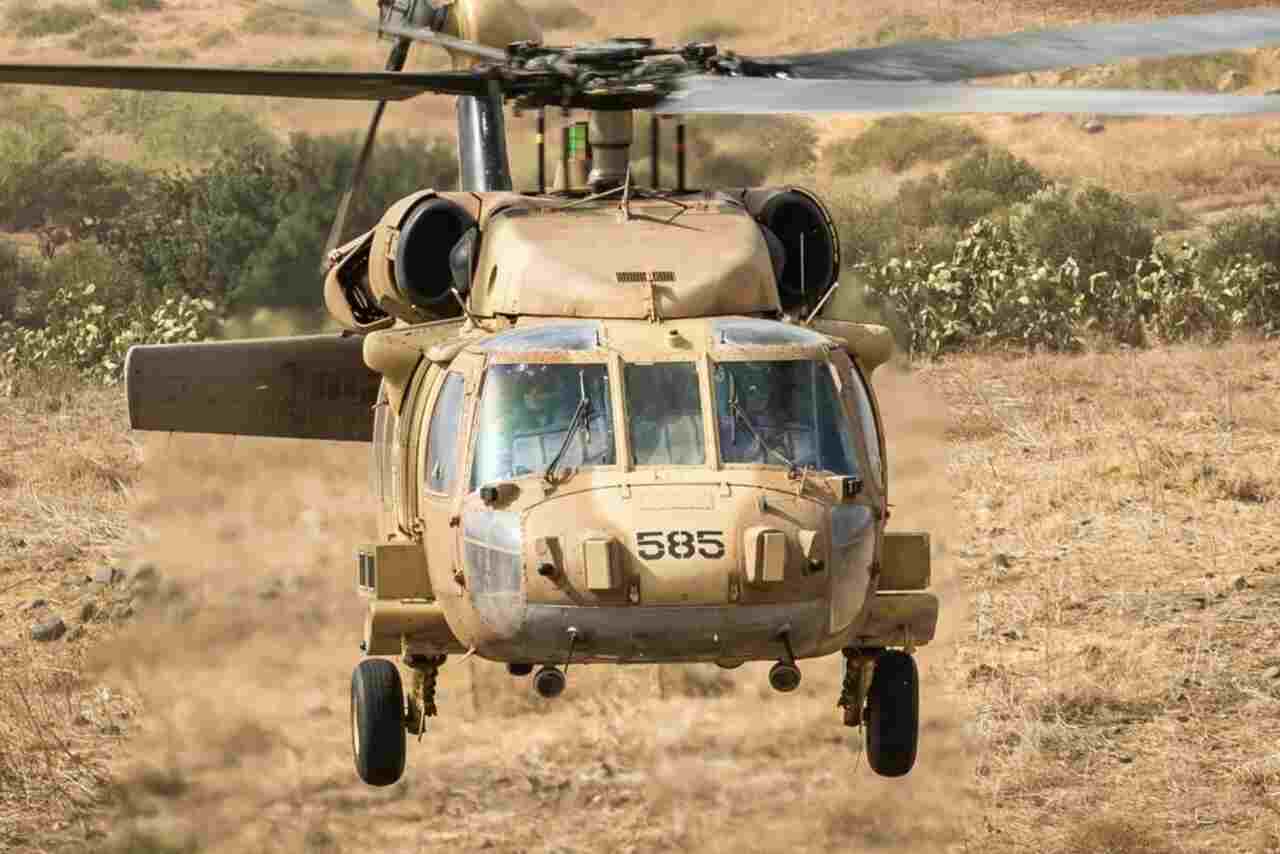
So far, U.S. authorities have not provided a detailed explanation of what prevented the aircraft from being withdrawn, nor the exact conditions of the improvised strip used in the mission. Full official details have also not been released regarding the extent of the damage suffered by the UH-60s mentioned by NBC News.
The operation is already being described as one of the most delicate of the conflict, both because of the level of risk involved and because of the extreme decision to destroy their own air assets on enemy soil to prevent capture.
Source and images: USAF | NYT. This content was created with the help of AI and reviewed by the editorial team.
