
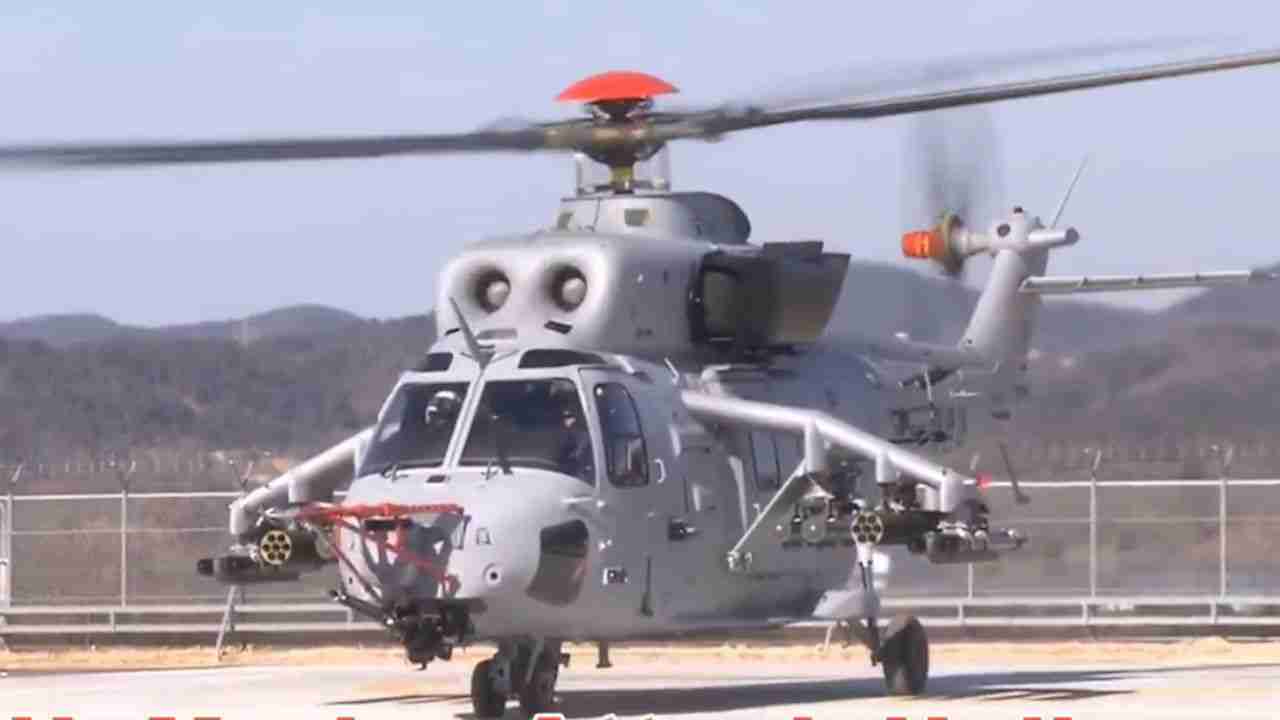
South Korea has raised the readiness level of its Surion-based amphibious helicopters, with the Marine Corps fleet reaching 90% operational availability in 2025.
The figure comfortably exceeds the official target of 82% set under the performance-based logistics (PBL) program, according to the Defense Acquisition Program Administration (DAPA) following a review conducted in Daejeon.
The results were discussed at a meeting held at DAPA headquarters, with participation from the Marine Corps, Korea Aerospace Industries (KAI), and Hanwha Aerospace. The focus was to assess fleet performance and define measures to maintain high availability throughout 2026. Under the PBL model, contracts are directly tied to the readiness levels achieved, which authorities say has ensured greater efficiency in maintenance and logistical support.
Derived from the Surion (KUH-1) utility helicopter, the amphibious model was adapted to the specific needs of Marine Corps operations and fully inducted into service between 2018 and 2023. Today, it is a central element of South Korea’s amphibious aviation, employed in the transport of troops and equipment during landings, air assaults, and rapid responses on islands and coastal regions in the face of potential contingencies.
Beyond its current role, the program also serves as the basis for a future amphibious attack variant, which is expected to receive new avionics and weapons systems. For DAPA, cooperation between the government, the Armed Forces, and industry has been decisive in keeping readiness rates above target and ensuring that the platform continues to support both immediate readiness and the force’s modernization plans.
Source: Defence Blog | Photo: X @mason_8718 | This content was created with the help of AI and reviewed by the editorial team
